Surviving in a Mushroom Field Without Hostile Mobs, Explained
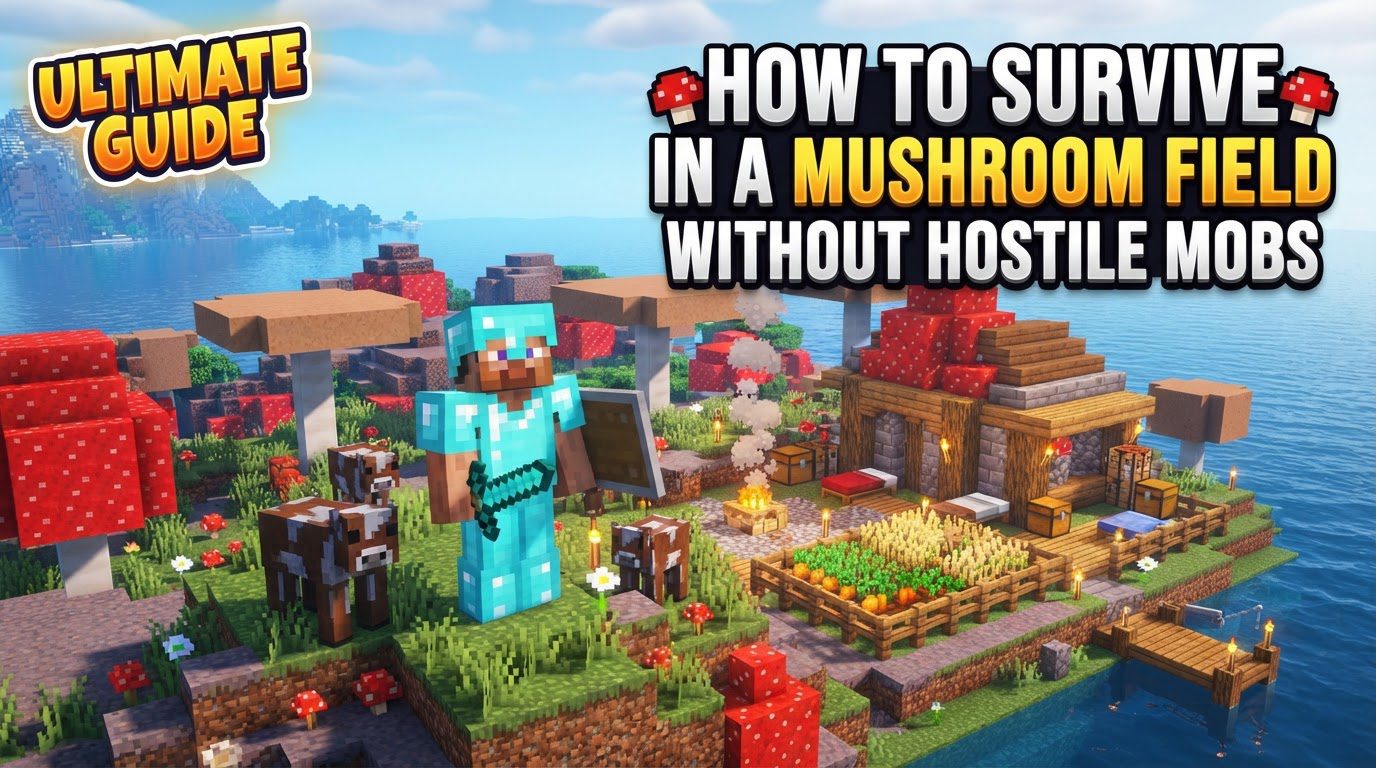
The Minecraft Mushroom Fields biome, often referred to as a Mushroom Island, presents a truly unique and generally peaceful survival experience. Unlike most other biomes in the game, the Mushroom Fields are characterized by a distinct set of rules that significantly alter the typical challenges of early game survival, primarily by minimizing the threat of hostile mobs. This guide will walk you through the intricacies of thriving in this rare and peculiar environment, highlighting its advantages while also preparing you for its specific challenges and exceptions to its perceived safety.
Key Biome Mechanics
The defining characteristic of the Mushroom Fields biome is its unique mob spawning rules. Hostile mobs, such as Zombies, Skeletons, Creepers, and Spiders, do not naturally spawn in this biome, regardless of the light level or time of day. This immunity extends not only to the surface but also to caves and underground areas that are directly underneath and part of the Mushroom Fields biome. This fundamental rule holds true as long as the player remains within the boundaries of the Mushroom Fields biome itself.
- Exceptions to Hostile Mob Immunity: While the Mushroom Fields offer a high degree of safety, it is crucial to understand that this immunity is not absolute. Several scenarios can still lead to encounters with hostile creatures:
- Phantoms: These flying hostile mobs are not bound by biome spawning rules. If a player has not slept for several in-game days, Phantoms will begin to spawn and attack, even within the Mushroom Fields.
- Mob Spawners: Structures like dungeons or abandoned mineshafts often contain mob spawners. These blocks will function normally, continuously spawning hostile mobs if a player is nearby, irrespective of the biome’s surface rules.
- Mobs from Adjacent Biomes: If the Mushroom Fields biome borders other landmasses or deep oceans, hostile mobs from those adjacent biomes can wander into the Mushroom Fields. For instance, Drowned might swim in from a neighboring ocean.
- Underground Biomes: It is possible for other biomes, such as Lush Caves or Dripstone Caves, to exist beneath the Mushroom Fields. These underground biomes will allow hostile mobs to spawn within their boundaries, meaning that caving directly below a Mushroom Fields biome is not always safe.
- Pillager Patrols: These groups of hostile Pillagers are not affected by biome spawning rules and can appear on the surface of a Mushroom Fields biome, posing a significant threat.
- Zombie Hordes: While rare, Zombie Hordes can occasionally occur, presenting a temporary but dangerous surge of hostile mobs.
- Mycelium: The surface of the Mushroom Fields biome is covered in Mycelium blocks. This unique block allows mushrooms to be placed and grown at any light level, a significant advantage for food and farming.
- Mooshrooms: The exclusive passive mob of this biome, Mooshrooms, are invaluable. They can be milked indefinitely for Mushroom Stew by using a bowl, providing an infinite and easily renewable food source. They can also be milked for regular milk using a bucket. Shearing a Mooshroom will turn it into a regular cow and yield several red mushrooms, making them a source of both food and crafting materials.
- Lack of Trees: A primary challenge of the Mushroom Fields is the absence of naturally spawning trees. This makes wood, a fundamental resource for crafting tools, weapons, and structures, extremely scarce.
Step-by-Step Survival Process
Beginning your journey in a Mushroom Fields biome requires a slightly different approach than in other biomes. Here’s a structured path to establish a thriving base.
- Locate the Biome: Mushroom Fields are among the rarest biomes in Minecraft, often appearing as isolated islands in vast oceans. If you have cheats enabled, the command
/locate biome minecraft:mushroom_fieldscan pinpoint its location. Otherwise, extensive exploration by boat or Elytra will be necessary. - Secure Food: Upon arrival, your immediate priority should be food. This is remarkably easy in a Mushroom Fields biome. Approach a Mooshroom with an empty bowl, and you can milk it to obtain Mushroom Stew. This provides an instant, infinite, and highly efficient food source, eliminating the early-game scramble for sustenance.
- Obtain Wood: This is arguably the most critical and challenging early-game task. Since trees do not spawn naturally, you must find alternative sources.
- Shipwrecks: Search the surrounding oceans for shipwrecks, which often contain wood planks and chests with valuable starting resources.
- Giant Mushrooms: While not wood, chopping down giant mushrooms yields mushroom blocks. These can be used as a temporary building material or fuel, but they do not provide wood planks for crafting.
- Fishing: Fishing can yield sticks, which are essential for tools, and occasionally other useful items.
- Nether Portal: An ambitious but highly effective strategy is to build a Nether portal as early as possible. The Nether provides abundant wood substitutes like warped or crimson stems, which can be used for crafting.
- Establish a Basic Shelter: Although hostile mobs do not spawn naturally, a shelter is still highly beneficial. It provides a safe place to sleep, which prevents Phantoms from spawning, and offers a secure location to organize your inventory and crafting stations. The immediate need for defense is minimal, allowing you to focus on resource gathering and organization.
- Explore Cautiously Underground: The unique mob-spawning rules extend underground, but only directly beneath the Mushroom Fields biome itself. When venturing into caves, remain vigilant. Be prepared for mob spawners in dungeons or abandoned mineshafts, and understand that different biomes might exist underground, which will allow hostile mobs to spawn within their boundaries. Always proceed with caution and be ready for combat.
Important Tips for Thriving
To truly master survival in a Mushroom Fields biome, consider these strategic approaches:
- Prioritize a Renewable Wood Source: This cannot be overstated. Without a consistent supply of wood, progression in Minecraft is severely hampered. Whether it’s through a dedicated fishing setup for sticks, establishing an early Nether portal, or eventually transporting saplings from another biome, securing renewable wood should be a top priority.
- Utilize Mooshrooms Fully: Beyond infinite stew, Mooshrooms can be sheared to yield red mushrooms and turn into regular cows, which can then be bred for leather and beef. This makes them a versatile resource for food, crafting, and even early armor.
- Sleep Often: To prevent the nuisance and danger of Phantoms, make sure to sleep in a bed whenever night falls. This is the only consistent way to avoid these hostile flying creatures, as their spawning is not biome-dependent.
- Set Up a Mushroom Farm: Mycelium allows mushrooms to grow in any light level, making it incredibly easy to establish a large-scale mushroom farm. You can also use bone meal on small mushrooms placed on Mycelium to grow giant mushrooms, which yield many mushroom blocks for temporary building or fuel.
- Consider Fishing: Fishing offers a consistent source of food, string, bones, and sometimes even enchanted items like fishing rods or bows. Critically, it can also provide sticks, helping to alleviate the wood scarcity.
- Build a Nether Portal Early: Accessing the Nether provides a wealth of resources not available in the Mushroom Fields, most notably wood substitutes (warped and crimson stems), blaze rods for brewing, and quartz for experience. An early Nether portal significantly accelerates technological progression.
Common Mistakes to Avoid
Even with its inherent safety, players can make errors that hinder their progress or expose them to unexpected dangers.
- Assuming Absolute Safety: The most significant mistake is believing that the Mushroom Fields biome is entirely free of hostile mobs. Always remember the exceptions: Phantoms, mob spawners, wandering mobs from adjacent biomes (like Drowned), hostile underground biomes, Pillager patrols, and rare Zombie Hordes. Maintaining a degree of vigilance is always wise.
- Ignoring the Need for Wood: Neglecting to plan for a consistent wood supply will severely limit your ability to craft essential tools, weapons, and structures. Without wood, progression beyond the most basic survival is nearly impossible.
- Believing Mycelium Prevents Mob Spawns: It is the unique properties of the Mushroom Fields biome itself that prevent hostile mob spawns, not the Mycelium block. While Mycelium does prevent grass and dirt from turning into their hostile mob-spawning counterparts, the biome rule is the primary factor.
- Neglecting to Sleep: Failing to sleep for multiple in-game days will inevitably lead to encounters with Phantoms, which can be a persistent and annoying threat, especially when you are unprepared.
- Unprepared Underground Exploration: Venturing into caves beneath a Mushroom Fields biome without proper gear and caution is risky. Always be ready for the possibility of encountering hostile mobs from spawners or from other biomes that may exist beneath the surface. Treat underground exploration with the same caution you would in any other biome.
The Mushroom Fields biome offers a unique and largely peaceful starting point in Minecraft. By understanding its specific mechanics, leveraging its unique resources like Mooshrooms, and being mindful of the exceptions to its safety, players can establish a secure base and thrive in this peculiar corner of the Minecraft world.
Tags:
YOU MAY ALSO LIKE...