Creating a Hide and Seek Minigame Map (Step by Step)
Understanding the Core Mechanics of Hide and Seek
Creating an engaging hide and seek minigame map in Minecraft requires a solid understanding of its fundamental mechanics. These core principles dictate how players interact, the flow of the game, and the overall experience. By mastering these basics, map creators can lay a strong foundation for a fun and balanced game.
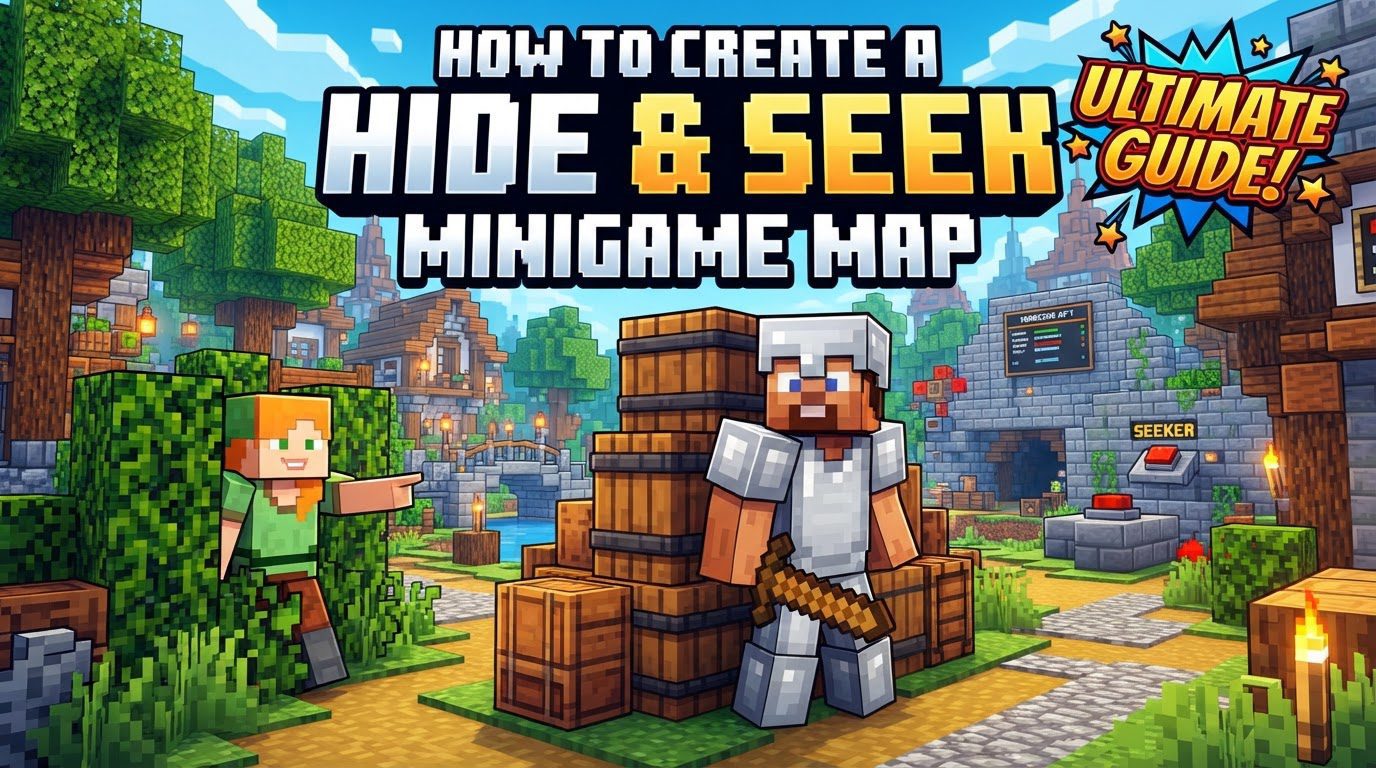
- Player Division: The game begins by dividing participants into two distinct teams: hiders and seekers. This clear separation establishes the primary objective for each player role.
- Grace Period for Hiders: A crucial element of fairness, hiders are granted a grace period at the start of the game. During this time, they can strategically find and settle into their chosen hiding spots before the seekers are released to begin their hunt. This allows for preparation and diverse hiding strategies.
- Game Conclusion: The game can conclude in one of two ways: either all hiders are successfully found by the seekers, or a predetermined timer runs out. The timer adds an element of urgency for seekers and a strategic advantage for hiders who can evade capture for the duration.
- Variations in Gameplay: To keep the minigame fresh and exciting, several variations can be incorporated.
- “Hide and Hunt”: In this variant, seekers are equipped with means to eliminate hiders, adding a layer of combat and danger to the game.
- “Block Hunt”: Hiders in this version possess the unique ability to disguise themselves as various blocks within the map, making their detection significantly more challenging and often leading to humorous interactions.
- Dynamic Role Switching: A popular and effective variation involves found hiders transforming into seekers. This mechanic progressively increases the number of seekers, escalating the challenge for the remaining hiders as the game progresses and making the endgame more intense.
- Automated Map Logic: The intricate workings of a hide and seek map, including actions such as random seeker selection, the management of game timers, and precise player teleportation, are typically implemented using advanced Minecraft features. These include powerful command blocks or comprehensive datapacks, which automate the game rules and ensure smooth operation without manual intervention.
Step-by-Step Guide to Map Creation
Building a hide and seek map is a systematic process that moves from initial conceptualization to final refinement. Each step is vital for ensuring a functional, enjoyable, and aesthetically pleasing minigame.
- Build a Spawn Area:
The very first step involves creating a designated starting point for all players. This spawn area should be clearly defined and easily accessible. It often serves as a central hub where players gather before the game begins, receive instructions, and are then dispatched to their respective starting positions (hiders to the map, seekers to a waiting area).
- Design the Map Layout:
Next, focus on designing the main game area. A well-crafted map layout is crucial for dynamic gameplay. It should feature a diverse environment with a consistent theme, which enhances immersion. The layout needs a balanced mix of open spaces where seekers can easily traverse and enclosed areas that offer ample opportunities for hiders to conceal themselves. Consider elevation changes, different biomes, and structural variety to make the map interesting to explore.
- Integrate Hiding Spots:
This is arguably the most critical aspect of a hide and seek map. Incorporate numerous and varied hiding locations throughout the map. These should range from obvious but easily overlooked spots to elaborate secret rooms, intricate tunnel systems, and elevated areas that require parkour skills to reach. Ensure there are places where players can effectively blend into the environment, making detection difficult. The more diverse and plentiful the hiding spots, the more replayability the map will have.
- Implement Game Logic:
The heart of any automated minigame lies in its logic, which is typically handled by command blocks or custom datapacks. This step involves programming the core rules and events of the game:
- Random Seeker Selection: Set up commands to randomly choose the initial seeker(s) from the pool of players. This ensures fairness and unpredictability at the start of each round.
- Hider Grace Period: Implement mechanics to enforce the grace period for hiders. This can be achieved by applying status effects to seekers, such as blindness or slowness, or by physically freezing them in a designated area until the timer expires.
- Game Timer and Display: Establish a game timer that counts down the duration of the round. This timer should be clearly displayed to all players, often using scoreboard objectives, to keep them informed of the remaining time.
- Method for Finding Hiders: Define how seekers are meant to find and tag hiders. Common methods include punching a hider, shooting them with an arrow, or simply coming within a certain proximity.
- Win Conditions: Clearly establish the conditions under which each team wins. For hiders, this is typically surviving until the timer runs out. For seekers, it’s finding all hiders before the timer expires.
- Lobby Setup: Create a dedicated lobby area. This space should include clear rules for the game and a prominent game start button that players can interact with to initiate the match.
- Test and Refine:
Once the map is built and the logic is implemented, extensive testing is essential. Playtest the map thoroughly with multiple players to identify and fix any bugs or glitches that may arise. Pay close attention to gameplay balance, ensuring neither hiders nor seekers have an overwhelming advantage. Optimize hiding spots based on player feedback, making them more effective or adjusting their difficulty as needed. This iterative process of testing and refining is crucial for creating a polished and enjoyable experience.
Important Tips for Map Creators
Beyond the fundamental steps, several strategic considerations can significantly elevate the quality and enjoyment of your hide and seek map. Incorporating these tips will lead to a more memorable and replayable experience for players.
- Variety is Key: Ensure your map offers a wide array of hiding spots. These should range from small, inconspicuous nooks and crannies to elaborate secret rooms, intricate tunnels, and challenging escape routes. The more diverse the options, the more strategic depth and replayability your map will have.
- Dynamic Gameplay: Design the map to encourage movement and strategic play. Incorporate tunnels, vents, and various escape routes that hiders can utilize to evade seekers or relocate to new hiding spots. This prevents static gameplay and keeps both teams actively engaged throughout the round.
- Thematic Cohesion: A well-chosen and consistently applied theme can dramatically enhance the map’s immersion and appeal. Whether it’s a haunted mansion, a bustling city, a futuristic laboratory, or an ancient ruin, a strong theme makes the map more engaging and visually appealing to players.
- Map Size and Density: Carefully balance the overall size of the map with the number and density of its hiding spots. A map that is too large for the number of players can lead to seekers struggling to find hiders, while a map that is too small or has too few hiding spots can make the game too short and unchallenging for hiders. The goal is to ensure fair play for both teams.
- Clear Instructions: Always provide a clear and concise rule book or set of instructions within the lobby area. This ensures that all players understand the game mechanics, objectives, and any specific rules unique to your map, minimizing confusion and enhancing the player experience.
- Aesthetics: Don’t underestimate the power of good decoration. While functionality is primary, an aesthetically pleasing map with thoughtful details and visual appeal can significantly improve player engagement and make the experience more enjoyable and memorable.
- Enable Command Blocks: For server-hosted maps, it is absolutely crucial to ensure that command blocks are enabled. Without them, all the automated game mechanics, timers, team assignments, and win conditions implemented via command blocks or datapacks will fail to function, rendering the minigame unplayable.
Common Mistakes to Avoid
Even experienced map creators can fall into common pitfalls. Being aware of these potential issues beforehand can save a lot of time and frustration, leading to a much more polished and enjoyable hide and seek map.
- Insufficient Hiding Spots: One of the most frequent mistakes is not providing enough hiding places. A lack of options will make the game short, predictable, and ultimately unengaging for hiders, as they will be found too quickly.
- Predictable Hiding Spots: While having many hiding spots is good, if they are all too obvious or follow a repetitive pattern, seekers will quickly memorize them. This leads to a stale game where strategy is minimal. Strive for creativity and variety.
- Boring or Repetitive Design: An uninspired map with a bland theme or repetitive structural elements can cause players to lose interest rapidly. Invest time in creating a visually stimulating and varied environment.
- Unbalanced Gameplay: A common issue is designing a map where one team has an overwhelming advantage. Ensure neither seekers nor hiders are too powerful or too weak, as this leads to frustrating and unfair gameplay. Balance the map size, hiding spot availability, and seeker mechanics carefully.
- Disabling Command Blocks: Forgetting to enable command blocks in the server settings is a critical error. This will prevent all automated game logic, such as timers, team assignments, and teleportation, from working, effectively breaking the minigame.
- Map Glitches: Design the map meticulously to prevent players from encountering game-breaking glitches. This includes avoiding areas where players can fall out of bounds, get stuck, or exploit unintended pathways. Thorough testing is key to catching these.
- Redstone Issues: If you’re using Redstone contraptions for parts of your game logic or map features, be prepared for potential malfunctions. If redstone circuits aren’t working as expected, a common solution is to try reloading the map, as this can sometimes reset buggy components.
- Version Incompatibility: Always ensure that your map is compatible with the specific Minecraft version players will be using. Features, commands, and block behaviors can change between versions, leading to unexpected issues if the map is played on an incompatible client.
- Nametag/Locator Bar Issues: Minecraft’s default display of player nametags or the locator bar can inadvertently reveal hiders. To maintain the integrity of the game, disable these features or modify team settings to hide nametags for hiders, ensuring they remain truly hidden from seekers.
Tags:
YOU MAY ALSO LIKE...