Building a Spleef Arena
Key Mechanics of Spleef
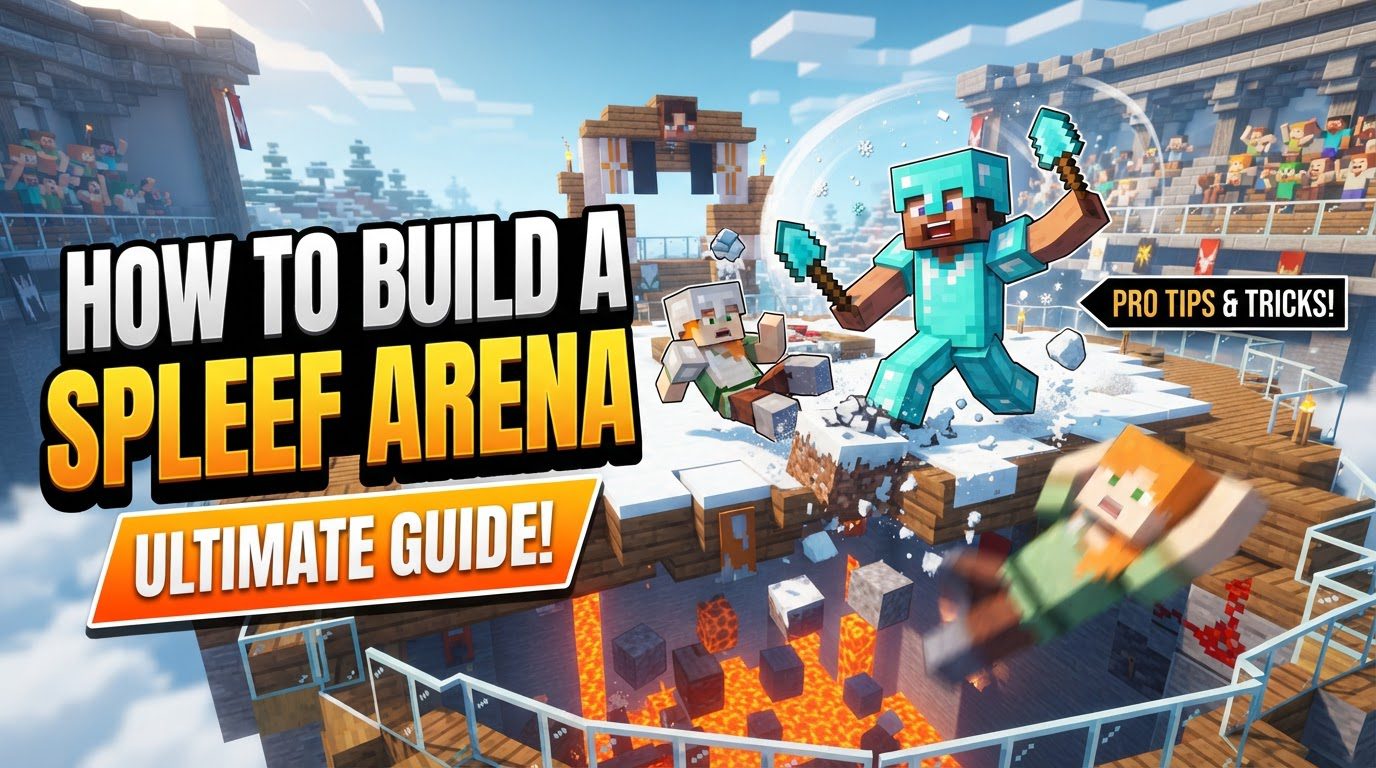
At its heart, Spleef is a thrilling competition focused on environmental manipulation. The primary objective is to be the last player remaining in the arena. This is achieved by eliminating opponents not through direct combat, but by breaking the blocks directly beneath them, causing them to fall into a designated pit below. The game thrives on strategic movement and efficient block destruction.
Players are typically equipped with specific tools designed for efficiently breaking the arena floor. For blocks like snow or dirt, shovels are the tool of choice, allowing for rapid excavation. If the arena floor is made of materials such as wool or leaves, shears become the essential instrument for destruction. The choice of tool is critical for effective gameplay, ensuring players can quickly create hazards for their opponents.
A fundamental aspect of Spleef is its strict rule set regarding player interaction. Standard rules forbid players from directly attacking each other or placing new blocks within the arena. This ensures that the focus remains entirely on manipulating the environment and exploiting the destructible floor, rather than engaging in traditional combat or griefing. This rule emphasizes skill in movement and block-breaking over combat prowess.
Underneath the destructible floor, a crucial component of any Spleef arena is the pit. This pit serves as the elimination zone for fallen players. It is commonly filled with lava, which instantly removes players from the game, or water, which can also serve as an effective removal mechanism by drowning or pushing players out of bounds. The design of this pit is vital for definitively ending a player’s round once they fall through the floor.
Spleef also offers a wide range of variations that can add complexity and excitement to the game. These can include multi-layered arenas, where players might fall through one floor only to land on another destructible layer, prolonging the game. Other variations might introduce “no jumping” rules, forcing players to rely solely on walking, or the use of projectiles to destroy blocks from a distance, adding a new dimension to offensive play.
Step-by-Step Process for Building Your Arena
1. Define Arena Size
The first step in constructing your Spleef arena is to determine its dimensions. A common and highly functional size is around 40×40 blocks. However, this is highly adjustable based on the anticipated number of players. For fewer players, a smaller arena might be more suitable to encourage faster gameplay, while larger groups would benefit from a more expansive area to prevent immediate eliminations and allow for more strategic movement. Consider the balance between player density and available space to ensure dynamic gameplay.
2. Build Outer Walls
Once the size is determined, the next crucial step is to construct robust outer walls around the entire playing field. These walls serve to contain players within the designated arena boundaries, preventing them from escaping the game area. It is imperative to use durable, hard-to-mine blocks for these walls. Excellent choices include cobblestone, bricks, obsidian, or even bedrock. Using such materials ensures that players cannot easily break through the walls to gain an unfair advantage or disrupt the game, maintaining the integrity of the Spleef experience.
3. Create the Floor
The core of any Spleef arena is its destructible floor. This layer must consist of blocks that are easily breakable by the appropriate tools, ensuring the game remains dynamic and fast-paced. Good choices for floor materials include snow blocks, dirt, wool, leaves, glass, or clay. Each material offers a slightly different aesthetic and breaking speed, but all are suitable for the quick destruction required in Spleef. Lay down a single, uniform layer of your chosen block across the entire playing area, creating a level surface for players to start on.
4. Design the Pit
Directly below the destructible floor, you must create an open pit. This pit is where players fall when eliminated, and its design is critical for removing them from the game. The pit is most commonly filled with lava or water. Lava provides instant elimination, adding a high-stakes element to the game. Water, while not instantly fatal, can serve to push players out of the arena or into a designated collection area, effectively removing them from play. Ensure the pit is deep enough and wide enough to guarantee fallen players are definitively out of the game.
5. Provide Tools
For players to engage in Spleef, they need the correct tools to break the floor blocks efficiently. Before the game begins, it is essential to ensure players have the appropriate tools readily available. If your floor is made of snow or dirt, players will need shovels. If it’s made of wool or leaves, shears are necessary. Providing these tools ensures that all participants can effectively interact with the arena and contribute to the gameplay, without having to source their own equipment.
6. Optional Automation
For larger or public Spleef arenas, or those intended for frequent play, incorporating automation can significantly enhance the experience. This often involves using redstone contraptions with pistons and block generators. For instance, a system could be designed to automatically rebuild the floor after each round, retracting pistons to replace destroyed blocks or using basalt generators to quickly re-form the playing surface. This automation streamlines the reset process, allowing for continuous and uninterrupted gameplay without manual reconstruction.
Important Tips for Spleef Gameplay and Arena Design
-
Block Choice: When designing your arena, carefully select easily breakable blocks for the floor. This is paramount to keeping the game dynamic and fast-paced. Floors that are too difficult to break will lead to slow, drawn-out rounds, diminishing the excitement and strategic urgency of Spleef. Prioritize materials that can be quickly destroyed with the appropriate tools.
-
Tool Accessibility: Always make tools readily available to players before the game starts. This prevents delays and ensures an equitable start for all participants. Whether you provide them in chests, via dispenser systems, or through an automated kit, easy access to shovels or shears is crucial.
-
Movement is Key: During gameplay, maintaining constant movement is a fundamental survival strategy. Staying stationary makes you an obvious and easy target for opponents, allowing them to quickly break the blocks around you and send you plummeting. Continuous movement makes you harder to trap and gives you more time to react.
-
Early Game Strategy: At the beginning of a round, a smart strategy is to move backward towards the arena walls. This helps you gain valuable space, allowing you to assess the situation, avoid immediate confrontations, and prevent being instantly eliminated in the opening seconds of the game. It provides a buffer zone from the initial chaos.
-
Offensive Play: To gain an advantage, don’t just react; actively destroy large sections of blocks strategically. This forces opponents to react, move into less favorable positions, or even become isolated on small, vulnerable islands of blocks. Thoughtful offensive play can dictate the pace and direction of the game.
-
Situational Awareness: Always be acutely aware of your surroundings. This includes knowing the locations of your opponents, understanding the current state of the floor, and identifying potential holes that have already been created. High situational awareness allows for better decision-making, both defensively and offensively.
-
Teamwork: In team-based Spleef variations, coordination with teammates is vital. Work together to trap opponents, for example, by pincering them between multiple players. This collaborative destruction of blocks can quickly overwhelm and eliminate opposing team members, demonstrating the power of synchronized strategy.
-
Jumping Skill: As the arena floor shrinks and becomes fragmented, precise jumping between sparse blocks becomes an increasingly crucial skill. Practice accurate jumps to navigate the dwindling terrain. Mastery of jumping can mean the difference between survival and elimination in the later stages of a game.
Common Mistakes to Avoid
-
Staying Stationary: As highlighted in the tips, remaining still is a critical error. Standing in one place makes you an obvious target, allowing opponents to easily break the blocks around you without much effort, leading to quick and avoidable elimination. Always keep moving.
-
Stonewalling: Avoid creating impassable gaps that isolate players on small, separate islands of blocks. This phenomenon, known as stonewalling, can lead to stalemates where no player can reach another, resulting in a non-conclusive and frustrating game. Ensure there are always pathways, however precarious, for players to interact.
-
Ignoring Holes: Be extremely careful not to accidentally fall into holes that have already been created in the arena floor. Many players eliminate themselves by not paying attention to existing gaps, especially when focusing on breaking blocks or pursuing opponents. Always scan the ground ahead of you.
-
Weak Walls: Using easily breakable blocks for your arena’s outer walls is a significant design flaw. This allows players to escape the playing field, disrupting the game’s flow and fairness. Always use durable, hard-to-mine materials to ensure players remain contained within the intended game area.
-
Breaking Blocks While Jumping: While it might seem efficient, breaking blocks is significantly slower when you are airborne. It’s generally less efficient than breaking them while you are firmly on solid ground. Prioritize breaking blocks while standing on a stable surface for maximum speed and effectiveness, saving airborne maneuvers for evasion or repositioning.
By following these guidelines and understanding the intricacies of both building and playing Spleef, you can create an exhilarating arena and become a formidable competitor in this classic Minecraft minigame. The key lies in strategic construction, efficient block destruction, and constant situational awareness.