Building a Multi-level Base with Functional Rooms (Step by Step)
Building a multi-level base in Minecraft is a rewarding endeavor that combines strategic planning with creative construction. A well-designed base not only offers safety and efficiency but also provides a central hub for all your in-game activities. This comprehensive guide will walk you through the essential mechanics, step-by-step processes, and crucial tips to construct a functional and aesthetically pleasing multi-level base.
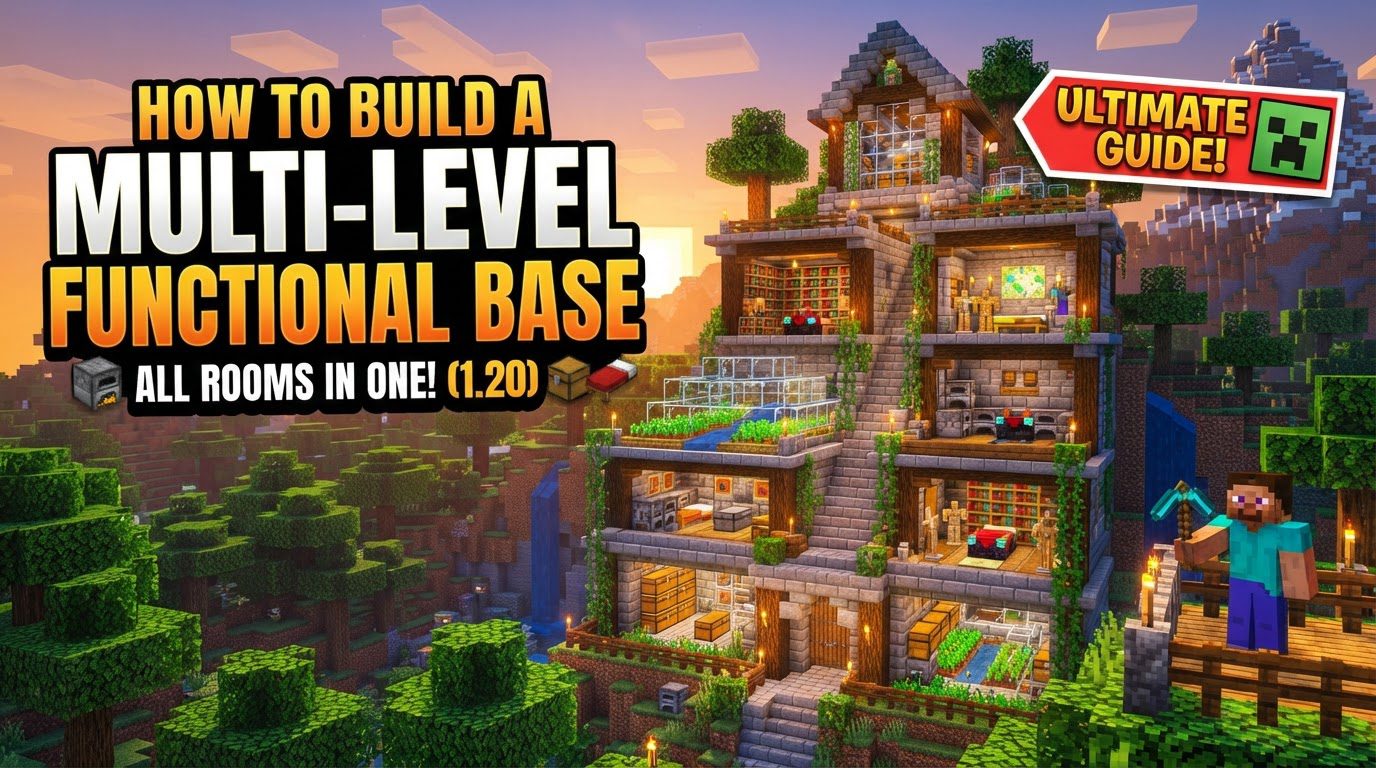
Key Mechanics for Base Construction
Understanding the fundamental principles behind a successful base is crucial before breaking ground.
- Mob-Proofing: Ensuring your base remains safe from hostile creatures is paramount. This involves utilizing robust walls and fences to create physical barriers. Water moats can also serve as an effective deterrent. Inside and around your base, proper lighting is essential; lanterns, torches, and glowstones can prevent mob spawns. For internal areas, bottom slabs, buttons, and even carpets can be strategically placed on surfaces where mobs might otherwise spawn.
- Functional Layout: Rather than haphazardly placing functional blocks, organize your base into themed sections. This approach significantly improves efficiency and navigation. Common and highly useful rooms include dedicated areas for storage, crafting and furnace operations, enchanting, brewing stations, comfortable bedrooms, nether portal rooms for quick travel, and various farming setups.
- Location: The choice of location heavily influences the long-term viability of your base. Seek out spots with easy access to vital resources such as water, stone, and wood. Forests and plains biomes often provide flat terrain ideal for building. Alternatively, natural caves and mountains offer inherent protection and can be integrated into your design. Always consider the surrounding biome and landscape for inspiration and seamless integration of your structure.
- Connectivity: A multi-level base demands efficient movement between its different sections and floors. Design clear pathways, and integrate various forms of vertical transportation. Water elevators or redstone-powered elevators offer quick ascent and descent, while well-placed staircases provide reliable access. A well-thought-out flow ensures ease of movement and direct access to all important areas.
Step-by-Step Process for Building Your Base
Constructing a multi-level base is best approached in a structured manner, starting with the foundational elements.
- Planning & Location: Begin by deciding on your base’s exact location. Visualize the overall layout and estimate the size required for all your planned functions. For larger, more complex “mega-builds,” it can be incredibly beneficial to sketch out the outline on paper or even use colored wool in creative mode to map out your design before committing in survival.
- Core Layout: Once the location is set, focus on building the core layout of your base. Determine where each important function will be permanently placed. This initial structure should prioritize essential areas such as main entrances, a central crafting area, primary storage, a bedroom, and convenient access points to mines or farms. Decorations can always be added later.
- Structure: Proceed with constructing the main structural elements: the walls and the roof. Simultaneously, incorporate adequate lighting and plan for windows to allow natural light and views. A useful strategy is to build the interiors of rooms first, then construct the surrounding walls. This helps ensure that rooms are neither too cramped nor excessively spacious, providing a more functional interior space.
- Functional Blocks: Integrate functional blocks directly into the structure whenever possible. In smaller builds, this can mean using crafting tables as doormats or furnaces as sections of the floor. This clever integration saves space and makes your base more efficient.
- Expansion: It’s wise to start with a safe, functional starter hut. From this secure foundation, expand your base in stages as your needs grow. Gradually add specialized farms, more extensive storage solutions, dedicated mining entrances, enchanting rooms, and increasingly complex automated systems. This incremental approach makes the building process more manageable.
Important Tips for an Optimal Base
Beyond the core mechanics and construction steps, several tips can elevate your base from functional to fantastic.
- Depth and Variety: Avoid constructing flat, boxy structures that lack visual interest. Instead, add layers, vary your building materials, and incorporate elements like stairs, fences, slabs, balconies, and windows to create dimension and visual appeal. Experiment with different roof angles and consider adding additional stories to various parts of your build to break up monotony.
- Block Palette: To achieve a cohesive and appealing look, limit your primary block types to three. For accent colors and block types, use one to three additional materials. This prevents a “noisy” or overwhelming appearance. Experiment with blending different blocks to create interesting textures, and choose accent blocks that provide a pleasing contrast.
- Pacing: Constructing a “mega base” is a significant undertaking that requires a substantial time commitment. It’s crucial to pace yourself and break down large tasks into smaller, more manageable projects. This approach prevents burnout and makes the process more enjoyable.
- Inspiration: Don’t hesitate to seek inspiration from external sources. Look at real-world pictures of architecture or explore other impressive Minecraft builds to gather ideas and guide your own design choices.
- Interior Design: Focus on creating a good flow within your base. Strategically place storage areas near crafting stations, furnaces near storage, and farms in proximity to food storage. For larger bases, use signs to clearly label areas. Different floor blocks can also be used to define paths and guide navigation.
Common Mistakes to Avoid
Being aware of common pitfalls can save you time and frustration during the building process.
- No Depth: Building with completely flat walls or neglecting to add overhangs makes a structure appear unfinished and lacks visual appeal. Always strive for architectural depth.
- Boxy Shapes: Steer clear of designing buildings that are entirely square or rectangular without any variation in their overall shape. Introduce curves, angles, or varying heights to create a more dynamic structure.
- Lack of Block Variety: Using only one type of block throughout a large build can lead to a monotonous and uninteresting appearance. Incorporate a thoughtful block palette to add texture and visual interest.
- Disregarding Mob Spawns: Forgetting to adequately light up both the interior and exterior areas of your base is a common mistake that can lead to hostile mob spawns, compromising your safety.
- Poor Door Placement: Always place doors from the outside of your base. This allows you to attack through them safely while remaining protected from any incoming threats.
- Over-detailing: While detail is important, not every wall or section of your base needs excessive ornamentation. Sometimes, simplifying certain areas can actually make a build more aesthetically pleasing and prevent it from looking cluttered.
Tags:
YOU MAY ALSO LIKE...