Knowing Which Game Drop Your Minecraft Version Belongs to, Explained
Understanding Minecraft’s New Update Strategy: Identifying Your Game Drop Version
Minecraft, a world of endless creativity and adventure, continually evolves with new content and features. To keep players engaged, Mojang has innovated its update strategy, moving away from large, infrequent releases to a more agile system known as “game drops.” This guide will help you understand this new approach and precisely identify which “game drop” your current Minecraft version belongs to, ensuring you’re always in tune with the latest developments in your blocky world.
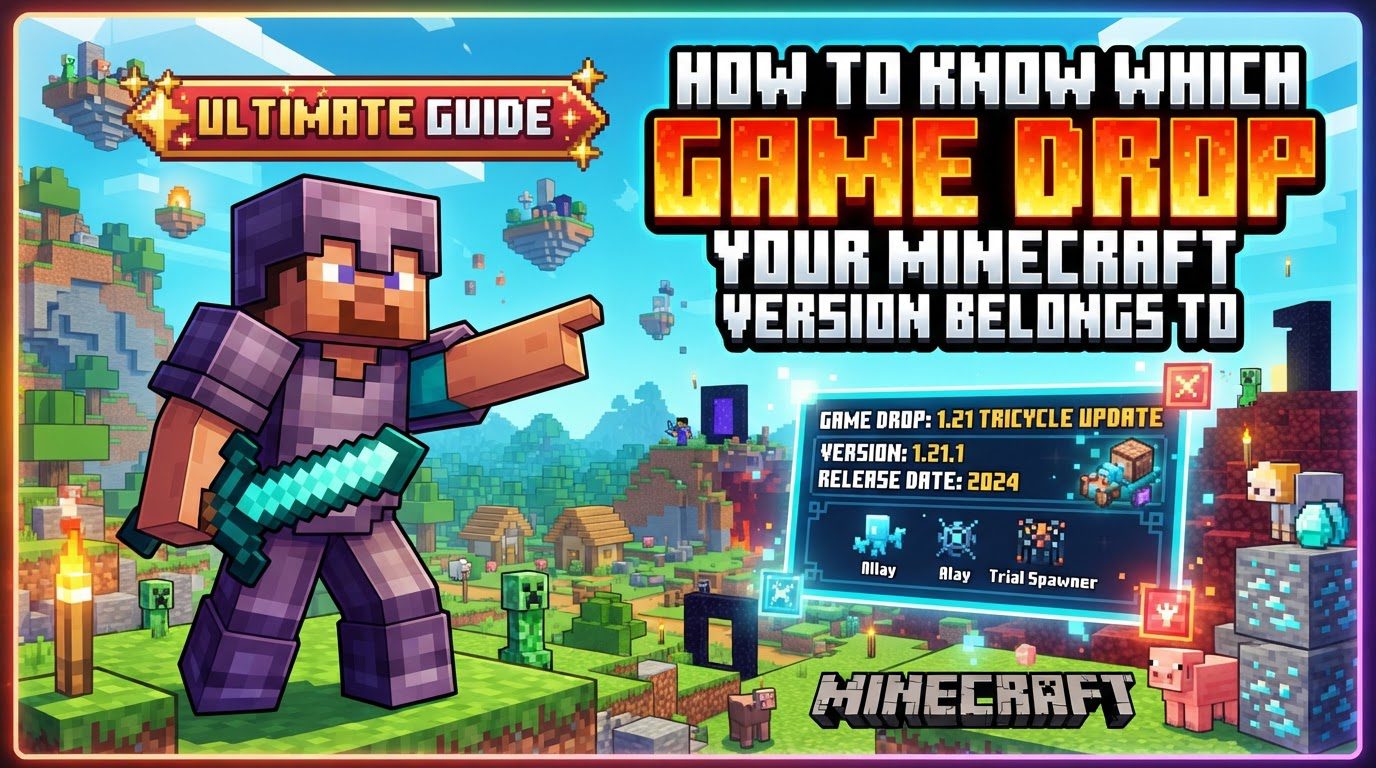
The shift to “game drops” represents a significant change in how new content is delivered. Instead of monumental annual updates, Mojang now aims to provide smaller, yet more frequent, content releases, typically every 1-4 months. It is crucial to understand that these “game drops” are official releases, packed with new features and content, and should not be confused with experimental snapshots or beta versions. They are fully polished additions to the game experience.
The New Version Numbering System
A cornerstone of this new update strategy is a revamped version numbering system, which will be implemented starting in 2026. For both Java Edition and Bedrock Edition, version numbers will distinctly begin with the year of their release. For instance, any updates rolled out in 2026 will have a version number commencing with ’26’. This clear year-prefix makes it immediately obvious when an update was released, offering a more intuitive way to track game progression compared to the previous sequential numbering.
Following the year, each version number will include a release number. This subsequent number is designed to account for the differing update schedules and platform-specific limitations that exist between Java and Bedrock Editions. Consequently, while both editions will share the initial year identifier, their specific release numbers will vary. For example, to illustrate how this system would function, consider the year 2025. If 2025 saw the release of several “game drops” such as “Spring to Life,” “Chase the Skies,” and “The Copper Age,” along with another called “Mounts of Mayhem,” the version numbers would reflect this year-based system. A Bedrock update released in 2025, for instance, might be designated as 25.10, with a subsequent bug fix for that update being numbered 25.11. This structure provides a clear, chronological identifier for each “game drop” and any subsequent minor patches.
Distinguishing from Previous Major Updates
Before the introduction of the “game drop” system, Minecraft updates were characterized by a different identification method. These earlier updates were known as “major updates” and were typically identified by sequential version numbers, such as 1.19 or 1.20. Often, these major updates were also accompanied by a distinct, descriptive name that encapsulated their theme, such as “The Wild Update” or “Trails & Tales.” While these descriptive names helped players identify the content, the new “game drop” system shifts the primary identification focus to the year-based version number, moving towards more frequent, smaller content additions rather than massive, overarching themes.
Step-by-Step Process to Identify Your Minecraft Version
Knowing your Minecraft version is straightforward. Follow these steps to accurately determine which “game drop” or major update you are currently playing:
- Launch Minecraft: Begin by opening your Minecraft game launcher. This is the gateway to your game and often provides initial version information.
- Check the Main Menu: Once the game has loaded and you are on the main menu screen, look carefully at the corners. The version number is almost always displayed prominently in the bottom corner of the screen. This is your immediate indicator of the current game version you are running.
- Review Launcher Information: Your Minecraft Launcher is a valuable resource for version details. Within the launcher interface, you can often find more in-depth information about the selected version, including release notes or available updates. For players of the Java Edition, a dedicated “Update Notes” tab within the launcher will typically display details about the most recent official release, providing context for your current version.
- Compare with Official Timelines: Once you have identified your specific version number from the game or launcher, the final step is to cross-reference it with official sources. Consult official Minecraft update timelines or reputable Minecraft wikis. These resources meticulously document all past and present updates, allowing you to match your version number to its corresponding “game drop” name or the name of a previous major update. This comparison will confirm exactly which content release you are experiencing.
Important Tips for Version Identification
To navigate the world of Minecraft updates effectively, keep these essential tips in mind:
- Note the Edition: Always pay close attention to whether you are playing the Java Edition or the Bedrock Edition of Minecraft. Their update cadences, specific version numbers, and even the content of “game drops” can differ significantly. This distinction is especially critical with the new year-based “game drop” numbering system, as release numbers will not be identical across both platforms. Understanding your edition prevents confusion when comparing versions or discussing features.
- Official Sources are Key: For the most accurate and up-to-date information regarding “game drops” and their associated version numbers, always refer to official sources. The official Minecraft website, direct announcements from Mojang, or well-maintained, reputable Minecraft wikis are your go-to resources. These platforms provide verified details that can be trusted, avoiding misinformation from unofficial channels.
- Keep Your Launcher Updated: Ensure that your Minecraft launcher itself is always up to date. A current launcher will automatically display the latest available versions of the game and often provides direct access to news and update notes. This ensures you have the most current information at your fingertips without having to manually search for it.
Common Mistakes to Avoid
While identifying your Minecraft version is generally straightforward, certain pitfalls can lead to confusion:
- Confusing Snapshots with Game Drops: A common error is to mistake snapshots for official “game drops.” Snapshots are developmental, experimental versions of the game, released for testing purposes to gather feedback on upcoming features. “Game drops,” in contrast, are official, polished, smaller content releases intended for general play. They are stable and fully integrated into the game, unlike the potentially buggy or incomplete content found in snapshots.
- Ignoring Edition Differences: Assuming that version numbers or the content of “game drops” are identical across Java Edition and Bedrock Edition is a frequent source of misunderstanding. Due to differences in game engines, platforms, and development cycles, there can be slight variations in features, bug fixes, and even the specific numbering of updates between the two editions. Always confirm the details for your specific edition.
- Relying Solely on Older Naming Conventions: While past major updates were famously known by descriptive names like “The Wild Update,” the new “game drop” system shifts this paradigm. The primary identifier for new content will increasingly be the year-based version number. While “game drops” may still have internal or community-given names, the official and most reliable way to identify them will be through their specific version number. Relying solely on descriptive names, especially for future updates, might lead to confusion as the system evolves.
By understanding Mojang’s new “game drop” strategy and following these identification steps and tips, you will always be able to pinpoint exactly which version of Minecraft you are playing and stay informed about the latest content additions to your favorite block-building world.