How villages have evolved in design since their introduction
Since their quiet debut over a decade ago, Minecraft’s villages have undergone a remarkable transformation, evolving from simple, often empty structures into vibrant, biome-specific settlements brimming with life and complex mechanics. Introduced in Java Edition Beta 1.8 in September 2011, these early villages were initially desolate, lacking the very inhabitants that would later define them. This guide explores the intricate journey of Minecraft villages, detailing their design evolution, functional enhancements, and the profound impact these changes have had on gameplay.

The Genesis of Settlements: Empty Beginnings and First Inhabitants
The very first iteration of villages in Minecraft Java Edition Beta 1.8 presented players with curious, pre-generated structures in plains and desert biomes. However, these architectural marvels were eerily silent, completely devoid of villagers. Interestingly, the original design intent for these structures was to house “pigmen,” a concept that ultimately never materialized in this form. It wasn’t until version 1.0, famously known as “The Adventure Update,” that the iconic, long-nosed villagers made their grand entrance, breathing life into these previously abandoned settlements. Their arrival marked a pivotal moment, transforming mere structures into interactive hubs within the Minecraft world.
Early Adaptations: Biome-Specific Tweaks and Material Choices
Following the introduction of villagers, Mojang began to refine village designs to better integrate them with their surrounding environments. Initially, desert villages shared construction materials with their plains counterparts, primarily using wood and cobblestone. This incongruity was addressed in Minecraft 1.3, where desert villages wisely transitioned to sandstone construction, a material far more appropriate for arid landscapes. This change extended to pathways as well; desert village paths shifted from gravel to sandstone, while plains and savanna village paths adopted grass for a more natural look.
Version 1.7 introduced the savanna biome, bringing with it new village designs. These early savanna villages were constructed from oak wood, but this was further refined in Minecraft 1.10 when they switched to acacia wood. This material, with its distinctive orange hue, perfectly complemented the savanna’s vibrant aesthetic. Even villages generating partially in water received attention in older versions, automatically incorporating oak wood plank or sandstone bridges to ensure accessibility, showcasing an early commitment to environmental integration.
A Shadowy Rarity: The Rise of Zombie Villages
Amidst these architectural refinements, a unique and unsettling variant emerged in Minecraft 1.10: the “zombie village.” With a rare 2% chance of generation, these derelict settlements offer a stark contrast to their bustling counterparts. Zombie villages are characterized by their complete lack of doors and torches, plunging them into perpetual darkness. Their only inhabitants are zombie villagers, providing a macabre glimpse into what might happen if a village falls to the undead. These eerie locations add a layer of mystery and challenge, often serving as a source of zombie villagers for players seeking to cure them.
The Grand Transformation: Village & Pillage (1.14)
The most monumental overhaul to Minecraft villages arrived with the 1.14 “Village & Pillage” update in April 2019. This update didn’t just tweak existing designs; it reimagined villages from the ground up, infusing them with unparalleled depth and functionality. The core principle was comprehensive biome-specific architecture, ensuring that each village felt organically connected to its environment.
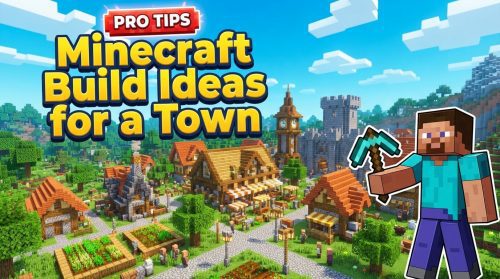
Villages now boast distinct architectural styles tailored to their biome’s climate and available resources. Plains villages often feature oak structures, taiga villages utilize spruce, snowy plains villages incorporate more snow and ice-resistant elements, savanna villages proudly display acacia, and desert villages are constructed almost entirely from sandstone. This diversity provides a rich visual tapestry, making exploration more rewarding and each village feel truly unique.
Beyond aesthetics, 1.14 introduced a plethora of new structures and utility blocks that fundamentally changed village functionality. Bells, blast furnaces, cartography tables, fletching tables, grindstones, lecterns, smithing tables, and stonecutters became integral components. Each of these blocks corresponds to a specific villager profession, acting as their job site. This innovation created a dynamic ecosystem where villager professions were no longer static but tied directly to the presence and accessibility of these blocks.
Furthermore, villager AI received a significant upgrade. Villagers gained complex daily schedules, pathfinding more intelligently to their beds at night and their job site blocks during the day. Their professions became customizable by players, and their outfits now vary not only by biome but also by their occupation. This intricate system means that villagers require access to their job site blocks to restock trades, adding a layer of strategic planning for players who wish to optimize their village economies.
Beyond Aesthetics: Mechanics and Player Interactions
The evolution of village design isn’t just about how they look; it’s deeply intertwined with how players interact with them. Modern villages are far more than just sources of early-game loot; they are dynamic systems that can be leveraged and managed. Understanding these mechanics is crucial for any seasoned Minecraft player.
Appreciating Architectural Diversity: Players are encouraged to observe the materials and architectural styles unique to each biome. This not only enhances the immersion but also provides inspiration for personal builds, showcasing how different blocks can be combined to create aesthetically pleasing and functional structures.
Harnessing Functional Blocks: The new job site blocks are central to villager professions and trade restocking. Integrating these effectively into a village, whether naturally generated or custom-built, is key to fostering a thriving economy. Knowing which block corresponds to which profession allows players to create specialized trading halls or simply ensure their villagers can restock efficiently.
Optimizing Villager Efficiency: With enhanced pathfinding, villagers are smarter but still benefit from thoughtful village layouts. Designing clear pathways, ensuring easy access to beds for sleeping, and positioning job sites within a reasonable range of their assigned villager will maximize their efficiency and prevent them from becoming “unemployed” or losing their profession.
Personalizing Your Settlements: Naturally generated villages provide an excellent foundation for customization. Many players enjoy transforming these settlements, incorporating modern designs, expanding them with custom buildings for specific villager professions, or fortifying them against raids, demonstrating the creative freedom afforded by the updated designs.
Common Pitfalls: Navigating Modern Village Mechanics
While the evolution has brought significant improvements, it has also introduced new complexities that can trip up players accustomed to older versions. Avoiding these common mistakes is essential for a smooth village experience.
Assuming Old Mechanics Apply: One of the biggest shifts post-1.14 is in villager breeding. The old system, relying solely on doors, is obsolete. Now, villagers require beds for every potential new villager, alongside sufficient food (willingness) to breed. Failing to provide enough beds and food will halt any breeding efforts.
Ignoring Bedrock vs. Java Differences: While the core design principles are similar, subtle differences exist between Java and Bedrock Editions, particularly concerning villager behaviors and how villages are defined. For instance, village boundaries and villager linking to beds/job sites can behave slightly differently, requiring platform-specific knowledge for advanced setups.
Obstructing Villager Movement: Despite their improved AI, villagers can still get stuck. Water deeper than two blocks can be a trap, and seemingly innocuous blocks like carpets in doorways or half-slabs at the bottom of drops can confuse their pathfinding. Designing unobstructed paths and entrances is crucial for their free movement and access to vital blocks.
Poorly Placed Job Sites/Beds: Villagers have a limited range for detecting points of interest. If a job site or bed is too far from their previous location, or if multiple villagers compete for the same block, they may lose their assigned spot. This can lead to villagers becoming unemployed or unable to restock trades, highlighting the importance of proximity and unique assignments.
In conclusion, Minecraft villages have journeyed from rudimentary, empty placeholders to sophisticated, biome-diverse ecosystems. The “Village & Pillage” update stands as a testament to Mojang’s commitment to enriching the game world, transforming these settlements into dynamic hubs that offer deep gameplay mechanics, strategic opportunities, and endless possibilities for player interaction and customization. Understanding this evolution is key to fully appreciating and mastering the blocky world of Minecraft.
Tags:
YOU MAY ALSO LIKE...