

Minecraft Build Ideas Survival
One of the most common early-game blunders in Minecraft survival is underestimating the power of a well-planned base. Many players rush to build a basic dirt hut, only to find themselves constantly struggling with resource management, mob attacks, and a general lack of organization as their world progresses. Thoughtful construction from the outset can transform your survival experience from a frantic scramble into a structured, enjoyable journey of expansion and mastery.
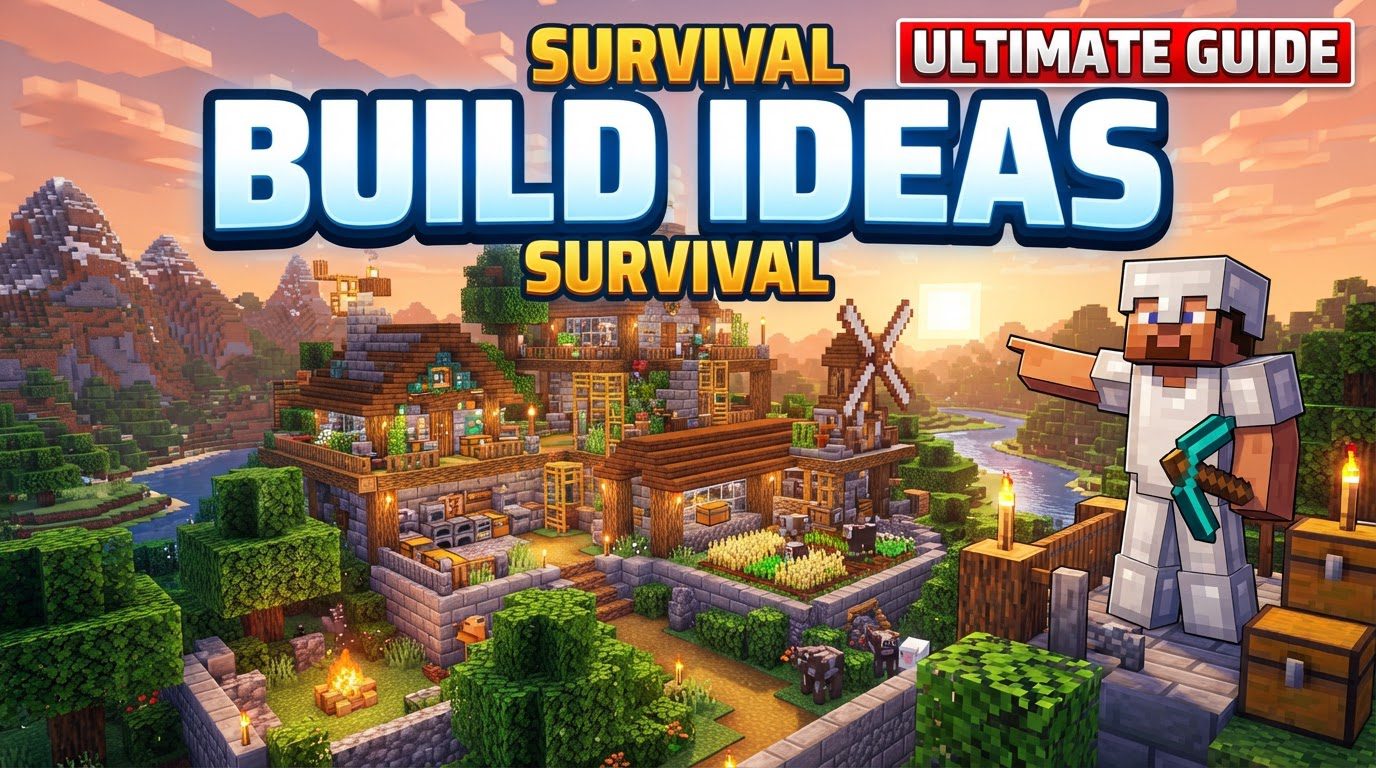
Building in Minecraft survival is more than just stacking blocks; it’s about creating a functional, defensible, and aesthetically pleasing environment that supports all your in-game endeavors. From your very first shelter to an expansive, self-sufficient empire, every structure serves a vital purpose. This guide delves into essential build ideas, a systematic approach to construction, and crucial tips to elevate your survival gameplay.
Foundational Elements for a Thriving World
At its heart, survival building revolves around creating a central hub and specialized facilities. Your base building efforts can range from a simple starter home, offering basic protection, to an elaborate ultimate survival house equipped with every convenience imaginable. The key is to evolve your base as your needs grow, integrating essential facilities that streamline gameplay and ensure long-term sustainability.
- Crop Farms: A paramount early build, crop farms ensure a steady and renewable food supply. Whether simple plots of wheat, carrots, or potatoes, they are crucial for preventing starvation. As you progress, these can be significantly improved and even automated using Redstone for maximum efficiency.
- Mob Farms: To gather invaluable resources like gunpowder, string, bones, and experience points, mob farms are indispensable. These structures are designed to spawn and efficiently dispatch hostile mobs, collecting their drops without direct player intervention.
- Mine Entrances: A well-organized mine entrance provides safe, direct, and often aesthetically pleasing access to your mining operations. This prevents unsightly holes around your base and can be integrated into your overall base design.
- Trade Halls: Interacting with villagers is a cornerstone of advanced survival. Dedicated trade halls provide a secure and organized space for villagers, allowing you to access a wide array of enchanted books, tools, and other valuable items through their trading mechanics.
- Fishing Docks: For a reliable, low-effort food source and a chance to acquire valuable loot like enchanted books, bows, and Mending fishing rods, a fishing dock by a water body is a simple yet effective addition.
- Bridges: Traversing difficult terrain, such as ravines, rivers, or chasms, becomes effortless with well-constructed bridges. These can be simple planks or elaborate structures, enhancing both utility and the visual appeal of your landscape.
- Portals: Primarily the Nether portal, these structures facilitate quick travel and access to other dimensions, unlocking new resources and challenges. Thoughtfully placed portals can significantly reduce travel time across your world.
- Storage Solutions: As your inventory swells with collected items, robust and organized storage solutions become critical. From simple rows of chests to complex item sorters, efficient storage prevents clutter and ensures you can always find what you need.
- Crafting Areas: A dedicated crafting area, complete with crafting tables, furnaces, blast furnaces, smokers, and grindstones, centralizes your production needs, making item creation and processing much more efficient.
- Animal Pens: For a renewable source of food (meat), leather, wool, and other animal products, animal pens are essential. Housing various livestock like cows, pigs, sheep, and chickens ensures self-sufficiency.
- Enchanting Rooms: To empower your tools, weapons, and armor, an enchanting room is a must-have. Properly set up with bookshelves, it allows you to apply powerful enchantments that drastically improve your gear.
- Defense Systems: Protecting your base from hostile mobs and threats like Pillager raids is paramount. Defense systems can range from simple walls and fences to more complex traps, moats, and automated turrets, ensuring the safety of your structures and villagers.
Crafting Your Sanctuary: A Step-by-Step Approach
Building a survival base, even a simple one, benefits greatly from a structured approach. This general process can be adapted for almost any housing project:
- Locate a Suitable Area: The first step is critical. Choose a nice location that offers natural beauty, strategic advantages, or easy access to resources. A cozy spot tucked away in a forest, along a serene river, or beside a sprawling lake can inspire excellent cabin or lakeside retreat designs.
- Lay Out the Foundation: Once the location is chosen, define the footprint of your structure. Start by placing pillars, often wooden logs, in the corners. This establishes the perimeter and helps visualize the scale of your build.
- Build Up the Walls: Construct the walls using your chosen blocks, such as planks, cobblestone, or stone bricks. Remember to leave designated spaces for doors and windows to allow light, entry, and a view.
- Add a Roof: A simple sloped roof, constructed using stairs and slabs, provides protection from the elements and hostile mobs. Experiment with different roof designs to add character.
- Furnish and Expand: Once the basic shell is complete, add essential interior elements. A bed, crafting table, furnace, and chests are early priorities. From there, you can further expand with additional rooms, specialized farm plots, or dedicated storage areas as your survival needs dictate.
Refining Your Craft: Advanced Building Principles
Beyond basic functionality, thoughtful design and clever techniques can transform your survival builds from mere shelters into impressive architectural feats.
- Material Variety: Don’t limit yourself to just one block type. Experiment with different wood types (oak, spruce, birch, jungle, acacia, dark oak, crimson, warped), various stone blocks (cobblestone, stone bricks, polished diorite), and trims like fences, walls, and trapdoors. This adds texture, contrast, and depth to your structures, preventing aesthetic monotony.
- Aesthetics and Realism: Incorporate details that enhance the visual appeal and realism of your builds. Adding chimneys to houses, using different block patterns for flooring, or integrating natural elements like vines and bushes can make a huge difference. In snow biomes, consider replacing some roof stairs with full blocks to allow snow to naturally settle, creating a more cohesive look.
- Automation: Embrace the power of Redstone. Learning basic Redstone mechanics allows you to create incredibly efficient and time-saving automated farms for crops, mobs, and even certain resources. This frees up your time for exploration and more ambitious building projects.
- Functionality and Defense: Always design with efficiency and protection in mind. Ensure your base layout is logical for easy navigation between storage, crafting, and living quarters. Simultaneously, integrate robust defensive measures – sturdy walls, well-lit perimeters, and strategic chokepoints – to safeguard against hostile mobs and other threats.
Avoiding Construction Catastrophes
Even seasoned players can fall into common building traps. Being aware of these pitfalls can save you time, resources, and frustration.
- Neglecting Essentials: A critical mistake is not prioritizing essential builds early on. Neglecting a steady food source (crop farms) or secure storage can quickly hinder progress and lead to constant resource shortages. Build these core facilities first.
- Lack of Planning: Building without a clear vision or plan often results in disorganized, inefficient, and visually unappealing bases. Even a rough sketch or a mental blueprint can help ensure your structures are cohesive and functional. Planning for future expansion is also key.
- Ignoring Defense: Failing to include protective elements leaves your base vulnerable. Hostile mobs will find their way in, destroying your hard work and making your survival experience needlessly difficult. Walls, lighting, and strategic placement of defenses are non-negotiable.
- Poor Resource Management: Starting a large build without sufficient materials is a common frustration. It leads to interruptions and repeated trips to gather resources. Always gather enough diverse materials before embarking on significant projects; some guides even provide material lists to help.
- Aesthetic Monotony: Sticking to a single block type or a repetitive design makes builds appear bland and uninspired. Incorporate variety in materials, shapes, and textures to create visually engaging and unique structures.
Ultimately, your Minecraft survival world is a canvas, and your builds are the brushstrokes that define your journey. By combining practical functionality with creative design, you can construct a world that is not only secure and efficient but also a joy to inhabit and explore. Happy building!
Tags:
YOU MAY ALSO LIKE...


