

Minecraft Can You Tame Ocelots
Believing that feeding an ocelot will magically transform it into a loyal housecat that follows your every command is a common misconception among Minecraft players, especially those returning after a long hiatus. The truth is, the way you interact with these elusive jungle creatures has undergone significant changes in modern Minecraft versions. Ocelots can no longer be “tamed” into cats; instead, players can gain their trust, leading to a different, yet still valuable, relationship.
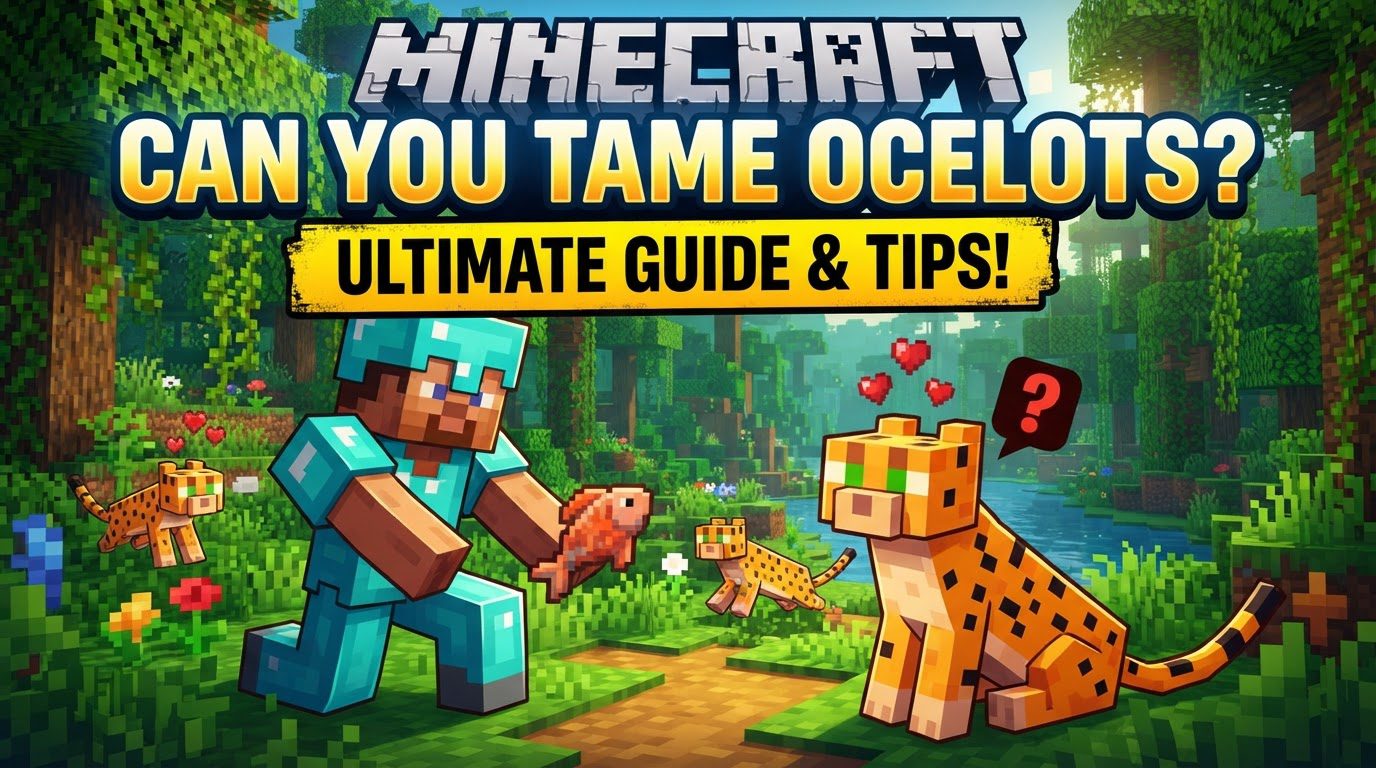
The Evolution of Ocelots: Trust, Not Taming
For many years in Minecraft, feeding an ocelot raw fish was the direct path to acquiring a tamed cat. This dynamic changed with Java Edition 1.14 (and Bedrock Edition 1.8+). Mojang, the developers of Minecraft, decided to differentiate between ocelots and cats. Cats are now a separate mob that naturally spawns in villages, and these village cats are the ones you can truly tame with fish, turning them into your following companions.
Ocelots, however, remain wild animals. While they won’t become your personal pets in the traditional sense, you can still build a unique bond with them. The process now focuses on earning their trust, which brings its own set of benefits, albeit different from a tamed cat’s.
Understanding Ocelot Trust: What It Means for Players
Gaining an ocelot’s trust fundamentally changes its behavior towards you. The most immediate and noticeable effect is that a trusted ocelot will no longer flee from you when you approach. This might seem minor, but it’s a significant step from their naturally shy and skittish disposition.
However, it’s crucial to manage expectations. A trusted ocelot will not:
- Follow you around like a tamed wolf or cat.
- Sit on command.
- Attack hostile mobs or defend you.
- Teleport to your location if you move too far away.
Their primary utility, once trusted, lies in their innate ability to deter certain hostile mobs. Creepers and Phantoms, two of Minecraft’s more annoying antagonists, will actively avoid trusted ocelots. If you have trusted ocelots roaming near your base or in areas you frequent, they can provide a passive layer of defense against these specific threats, keeping them at bay without any direct intervention from you. This makes them excellent natural guardians for your builds.
Preparing for the Encounter: Gathering Your Resources
Before you embark on your journey to befriend an ocelot, preparation is key. You’ll need the right tools and bait:
- A Fishing Rod: Ocelots are notoriously picky. They only respond to raw fish. Crafting a fishing rod is essential for acquiring the necessary bait.
- Plenty of Raw Fish: Specifically, raw cod or raw salmon. These are the only types of fish that will work. Do not cook the fish; cooked fish holds no appeal for a wild ocelot. While an ocelot might gain trust after just one to five pieces of fish, it’s always wise to carry a generous supply – at least 5 to 20 pieces – to ensure you don’t run out mid-interaction. Running out can reset their progress towards trusting you.
Once you have your fishing rod and a good stack of raw fish, you’re ready to venture into the wild.
Locating Your Feline Friend: The Jungle Biome
Ocelots are exclusive inhabitants of jungle biomes. These dense, green landscapes, characterized by tall trees and often rugged terrain, are the only places where you’ll naturally find these shy creatures. Explore these biomes carefully, keeping an eye out for their distinctive spotted coats. They are passive mobs, meaning they won’t attack you, but they are incredibly timid.
The Delicate Dance: A Step-by-Step Guide to Gaining Trust
Earning an ocelot’s trust requires patience, precision, and a gentle approach. Follow these steps carefully:
- Initial Approach: Once you spot an ocelot, begin to move slowly towards it. This is paramount. Sprinting or making sudden movements will immediately scare it away.
- Avoid Direct Eye Contact (Crosshairs): Ocelots perceive direct gaze as a threat. Keep your crosshairs off the ocelot as you approach. Look slightly to the side or at the ground near it, giving it space and signaling you’re not aggressive.
- Hold the Bait: Equip the raw fish (raw cod or raw salmon) in your active hotbar slot. Holding the fish signals your intent and can make the ocelot more receptive.
- Stand Still and Wait: When you are within approximately 5-7 blocks of the ocelot, stop moving completely. Do not take another step. The ocelot, if it feels safe, will cautiously approach you. This waiting period can feel long, but patience is key.
- The Feeding Moment: Once the ocelot is close enough (usually within 1-2 blocks), right-click (or use the action button for your platform) to feed it the raw fish. You’ll know you’re successful when hearts appear above its head. Continue feeding until the hearts appear consistently, indicating that trust has been gained.
Expert Tips for a Successful Interaction
Even with the steps outlined, ocelots can be finicky. Here are some additional tips to increase your chances of success:
- Open Space is Best: Try to initiate the trust-building process in an open area, ideally at least 7×7 blocks. Ocelots are less likely to approach if they feel cornered or boxed in.
- Patience is a Virtue: This cannot be stressed enough. Ocelots are perhaps the most skittish mob in the game. If it runs, don’t chase it. Move slowly to a new position, stand still, and try again.
- Always Carry Extra Fish: The exact number of fish required can vary. Some ocelots might trust you after one piece, others might need five or more. Having plenty on hand prevents you from losing progress.
- Raw Cod Preference: While both raw cod and raw salmon work, some players report slightly better success rates with raw cod. It’s a minor detail, but worth noting if you’re struggling.
- Avoid Trapping: Do not try to trap an ocelot to make it easier to feed. This will almost certainly prevent it from trusting you. They need to feel free and unthreatened.
Common Misconceptions and Pitfalls to Avoid
Understanding what *not* to do is just as important as knowing what to do:
- The “Tamed Cat” Myth: The biggest mistake is expecting an ocelot to turn into a tamed cat that follows you. This functionality was removed. If you want a tamed cat, find one in a village.
- Aggressive Movement: Rushing towards an ocelot, jumping, or hitting it will scare it away instantly and make it extremely difficult to gain its trust.
- Direct Staring: Keeping your crosshairs directly on the ocelot for an extended period, especially during the approach, signals aggression and will cause it to flee.
- Insufficient Fish: Starting the process with only one or two fish is a recipe for frustration. If you run out of fish before trust is gained, the ocelot will likely lose interest or flee, and you’ll have to start over.
- Expecting Pet Behavior: Remember, a trusted ocelot is not a pet in the traditional sense. It won’t follow you home, sit by your side, or attack mobs for you. Its utility is in its passive deterrence of Creepers and Phantoms.
The Lasting Value of a Trusted Ocelot
While the interaction with ocelots has changed, their unique abilities still make them a valuable part of the Minecraft ecosystem. Gaining their trust provides a subtle yet effective form of base defense, particularly against those explosive Creepers that can ruin hours of building, and the annoying Phantoms that plague the night sky for sleepless players. By understanding their true nature and respecting their wild instincts, you can foster a beneficial relationship with these shy jungle dwellers.
Tags:
YOU MAY ALSO LIKE...


