

Minecraft Copper Armor
Unveiling Minecraft’s Copper Armor: A Comprehensive Guide
Many players, familiar with the unique properties of copper blocks in Minecraft, often assume their armor counterparts will share a similar fate, slowly oxidizing and turning green over time. However, this is a common misconception! Unlike its blocky relatives, copper armor in Minecraft steadfastly retains its lustrous, orange-brown hue, never succumbing to the elements. This distinction is crucial for understanding its practical value and aesthetic appeal.
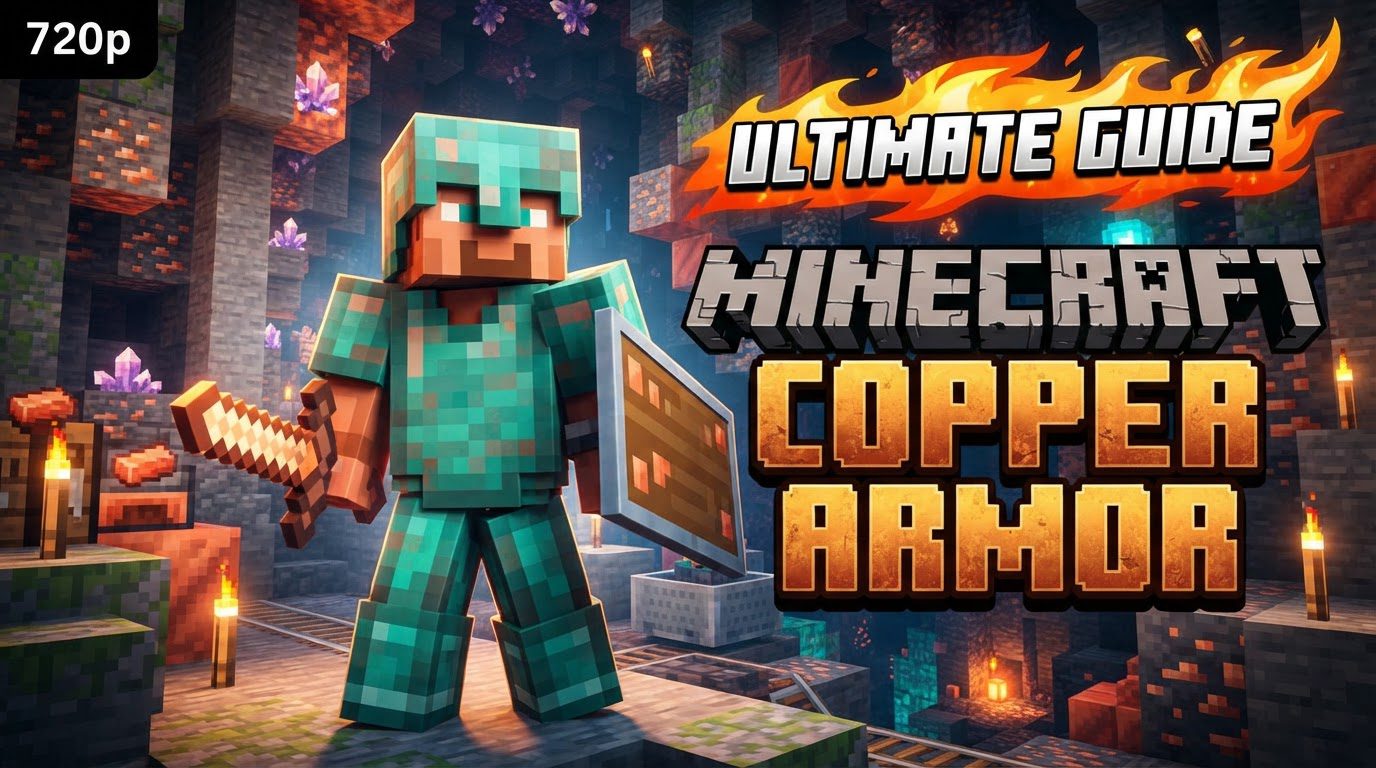
Copper armor represents an exciting new addition to Minecraft’s defensive gear, first introduced in the 1.21 experimental update and available in Bedrock Preview and Java Snapshots. It is slated for full release as part of the anticipated “Copper Age Drop” in 2025. This new armor set fills a strategic niche in the game’s progression, offering a robust defensive option that bridges the gap between early-game protection and more advanced tiers.
The Protective Power of Copper
When considering armor in Minecraft, defense points and durability are paramount. Copper armor offers a respectable level of protection, positioning it as a significant upgrade from the most basic gear. A full set of copper armor provides a total of 10 armor points. To put this into perspective:
- Leather armor: Provides 7 armor points.
- Gold armor: Offers similar defense to leather but with significantly lower durability.
- Chainmail armor: Provides 15 armor points.
- Iron armor: Also provides 15 armor points.
This places copper armor comfortably above leather and gold, making it a viable and noticeable improvement for players early in their survival journey. Furthermore, copper armor boasts greater durability than both leather and gold armor, meaning it will last longer in combat and exploration before requiring repairs.
Forging Your Copper Protection: The Crafting Journey
Acquiring a full set of copper armor is a straightforward process, relying on fundamental Minecraft mechanics. The entire endeavor requires a total of 24 copper ingots to craft all four pieces.
Mining Copper Ore
Your journey begins deep within the earth. Copper ore is a relatively abundant resource, commonly found underground between Y-layers -16 and 112. You’ll discover it most frequently around Y-layers 47 and 48, making it a common find during general mining expeditions. To successfully extract raw copper from its ore block, you will need at least a stone pickaxe or any pickaxe of a higher tier.
Smelting Raw Copper
Once you’ve gathered a sufficient amount of raw copper, the next step is to process it into usable ingots. Head to a furnace (or a blast furnace for quicker results) and place your raw copper inside along with a fuel source. Each piece of raw copper will smelt into one precious copper ingot. These ingots are the fundamental building blocks for your new armor.
Assembling the Set at the Crafting Table
With your copper ingots in hand, it’s time to craft the armor pieces. Utilize a crafting table and arrange the ingots in the standard armor patterns. Here’s how the ingot count breaks down for each piece:
- Copper Helmet: Requires 5 copper ingots.
- Copper Chestplate: Requires 8 copper ingots.
- Copper Leggings: Requires 7 copper ingots.
- Copper Boots: Requires 4 copper ingots.
Crafting all four pieces will complete your full set of copper armor, providing that essential 10 armor points of protection.
Maintaining Your Gear: Repair and Enhancement
Like all other armor types in Minecraft, copper armor is fully compatible with the game’s enchantment system. This means you can imbue your copper helmet, chestplate, leggings, and boots with powerful enchantments such as Protection, Unbreaking, Mending, and more, significantly boosting their defensive capabilities and longevity. This feature alone makes copper armor a far more attractive option than simple early-game tools that cannot be enchanted.
Repairing damaged copper armor is also straightforward. You have a few options: you can combine two damaged pieces of copper armor in a crafting table or a grindstone to consolidate their durability. Alternatively, for more precise repairs, an anvil allows you to combine a damaged piece of copper armor with copper ingots to restore its durability, effectively using the raw materials to mend your gear.
Beyond Defense: Unique Attributes of Copper Armor
While its defensive stats are a primary draw, copper armor also possesses several unique characteristics that set it apart:
- No Oxidation: As mentioned, this is a key differentiator. Unlike copper blocks, which visibly age and turn green, copper armor maintains its original appearance indefinitely. This ensures a consistent aesthetic for your character’s gear.
- Resource Recovery: Even when your copper armor is worn out and no longer useful for protection, it still holds value. Damaged or broken copper armor can be smelted down in a furnace or blast furnace. Instead of simply disappearing, it will yield copper nuggets, allowing you to recover a portion of your initial investment and repurpose the material.
- Personalization with Armor Trims: Adding a touch of personal flair is always a welcome feature. Copper armor can be decorated with armor trims, using various smithing templates found throughout the world. This allows players to customize the appearance of their copper gear, making it truly unique.
Strategic Placement in Minecraft Progression
Copper armor serves as an excellent early-to-mid-game defense option. Its primary utility lies in providing a significant step up from leather armor without requiring the more scarce resource of iron. If you find yourself short on iron early in your game, or simply want to conserve it for tools and weapons, copper armor is an exceptionally practical choice. The abundance of copper ore makes it significantly easier and quicker to craft a full set compared to iron armor, allowing players to secure better protection much sooner in their playthroughs.
While some players might debate its long-term utility given that iron armor offers superior protection, copper armor’s accessibility and respectable defense make it an invaluable stepping stone. It allows for safer exploration, combat, and resource gathering, ultimately speeding up a player’s ability to reach higher-tier resources.
Dispelling Myths: Addressing Common Misconceptions
The introduction of copper armor has naturally led to some community discussions and even a few misconceptions. It’s important to clarify these points:
- Oxidation: This is the most prevalent misconception. To reiterate, copper armor does not oxidize in Minecraft. While the idea of evolving armor aesthetics is interesting and has been explored in community discussions, it is not an implemented feature for the armor itself.
- Lightning Mechanics: Another creative idea floated by the community is that copper armor might interact with lightning, perhaps by attracting strikes or providing resistance. However, these are purely speculative concepts and are not verified features of the official Minecraft copper armor. Its properties are purely defensive and aesthetic, as described.
- Strength vs. Accessibility: Some players question the utility of copper armor, suggesting its placement between leather and iron blurs the lines or that players will quickly move past it. While it’s true that iron is stronger, copper’s strength lies in its accessibility and abundance. It provides a crucial, easily obtainable defense boost that significantly improves early-game survival, making the transition to iron safer and more efficient.
In conclusion, Minecraft’s copper armor is a valuable and well-placed addition to the game’s defensive lineup. Its respectable protection, ease of crafting, and unique features like resource recovery and trim compatibility make it an excellent choice for players navigating the early and mid-stages of their Minecraft adventures. Embrace the copper age, and equip yourself with this versatile and visually appealing gear!
Tags:
YOU MAY ALSO LIKE...


