

Minecraft How to Build a Yacht
Many aspiring Minecraft builders dive headfirst into constructing massive vessels, only to find their grand designs either look blocky and unrealistic, or quickly become an unmanageable mess. The secret to crafting a truly magnificent yacht in Minecraft isn’t just about placing blocks; it’s about meticulous planning, understanding scale, and applying real-world design principles to your blocky world. With the right approach, your Minecraft yacht can be a floating masterpiece of luxury and engineering.
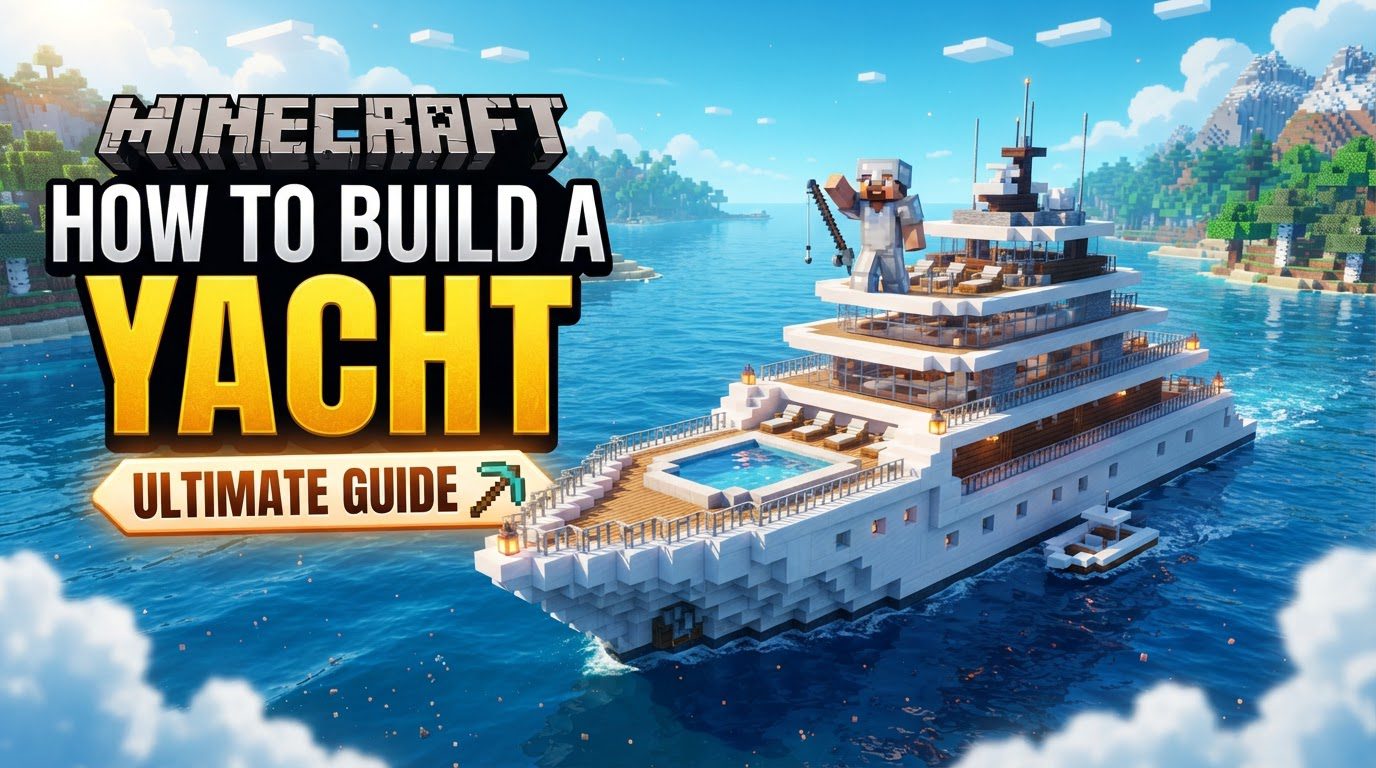
Laying the Keel: Initial Planning and Location
Before you even place your first block, a successful yacht build begins with a strong concept and a suitable location. Think about the style of yacht you envision – sleek and modern, or perhaps a more classic sailing vessel. Referencing images of real-world yachts, concept art, or even simple sketches can provide invaluable inspiration and a visual blueprint for your build.
Choosing the right building site is paramount. You’ll need ample space, not just for the length and beam (width) of your yacht, but also for its height and, crucially, sufficient water depth for the underwater portion of the hull. Building in a creative flat world offers an ideal, unobstructed canvas for large, complex projects like a yacht. If you’re building in an existing ocean, you might need to prepare the area, perhaps even excavating to ensure enough depth. For initiating a build directly in water, a temporary starting point like a lilypad or a block placed just below water level can serve as your initial anchor point.
One of the most effective tips for achieving realism is to adhere to a consistent scale. A common and highly recommended scale for Minecraft builds is to consider one Minecraft block as equivalent to one meter. This simple rule helps maintain realistic proportions throughout your design, preventing your yacht from looking disproportionate or awkwardly sized.
Selecting Your Palette: Essential Materials
The materials you choose will define the aesthetic and feel of your yacht. For a sleek, modern look, diorite and polished diorite are excellent choices for the hull, offering a clean, almost ceramic appearance. Smooth quartz also provides a luxurious, pristine finish. For the windows, black glass panes are ideal, simulating tinted glass often found on high-end vessels. Various wood types-oak, birch, and dark oak-can be used for decking, interior finishes, or decorative accents, each offering a distinct color and texture.
In survival mode, materials like concrete (especially white or light grey) and quartz blocks are popular and accessible alternatives for hull construction, providing a smooth, uniform surface. If your design includes sails for a more classic yacht, wool in appropriate colors can be used to create their billowing forms. Remember that varying block types, even subtly, adds significant texture and visual interest to your build, preventing it from appearing bland or monolithic.
Constructing the Foundation: The Hull
The hull is the most critical structural component of your yacht; it dictates its shape, size, and overall stability. Begin by creating the basic outline of the hull, often starting with a simple T-shape one block below water level. This initial outline will serve as the base for your entire vessel.
From this foundation, you will build up the hull using your chosen materials, such as diorite, concrete, or quartz. The key here is to focus on a streamlined and symmetrical shape. Yachts are designed for efficiency and aesthetics in water, so their hulls are rarely boxy. This involves carefully layering blocks, stairs, and slabs to create the gentle curves of the bow (front) and stern (back) of the boat. Pay close attention to achieving symmetry on both sides of the central axis to ensure a balanced and realistic appearance. As you build up, consider the underwater portion of the hull; it should have significant depth to make the yacht appear properly buoyant rather than just floating on the surface.
Building Up: Decks and Superstructure
Once the hull is established, it’s time to build the layers above the waterline. This involves constructing the various decks, the main superstructure (the enclosed areas above the main deck), and the walls. As you add layers, continue to incorporate texturing by varying block types. For instance, using polished diorite for trim or specific sections while the main walls are diorite can add depth and realism.
Designate specific areas for walls, windows, and main entrances. When planning interior spaces, aim for a ceiling height of at least two blocks. This allows for comfortable movement and the flexibility to use different block types for floors and ceilings, adding another layer of detail to your interior design.
Crafting the Interior: Function and Comfort
A truly comprehensive yacht isn’t just an impressive exterior; it boasts a functional and comfortable interior. Begin designing the interior spaces, including cabins, bedrooms, and a bridge. The bridge, or control room, is essential and can be brought to life using Redstone items, levers, and buttons to simulate a complex control panel.
Incorporate stairways between decks, ensuring they are well-placed and allow for easy navigation. Think about the flow of movement throughout the yacht. For interior lighting, soul lanterns offer a unique, atmospheric glow, while sea lanterns provide bright, clear illumination. Consider placing these strategically to light up hallways, cabins, and common areas. Windows, crafted from black glass panes, will connect the interior with the exterior world, offering views of the surrounding ocean.
Refining Your Yacht: Details and Finishing Touches
It’s the small details that elevate a good build to a great one. Add decorative elements to both the exterior and interior. Railings, crucial for safety and aesthetics, can be elegantly constructed using diorite walls and spruce fences. If your yacht design is more classic, consider adding masts and sails (made from wool) to complete the traditional look. For a modern luxury yacht, a glass bottom section can be an incredible feature, allowing for stunning underwater views directly from an observation lounge or a special cabin.
Ensure ample lighting throughout the yacht. Beyond interior illumination, consider exterior lighting to highlight architectural features or provide functional light for decks. The strategic placement of soul lanterns or other light sources can dramatically enhance the ambiance of your vessel, both inside and out.
Pro Tips for a Masterpiece
- Reference Images: Always keep photos, concept art, or design drawings of real yachts handy for inspiration and accurate detailing.
- Creative Mode: Due to the complexity and scale of yacht construction, building in creative mode is highly recommended. It provides unlimited resources and the ability to fly, making construction much more efficient.
- Start with an Outline: Laying out the initial dimensions and shape (a “sketch” or “skizze”) can help immensely in planning the build and ensuring symmetry.
- Streamlined and Symmetrical: Reiterate the importance of a streamlined shape and strict symmetry for a realistic and aesthetically pleasing hull.
- Glass Bottom: Don’t forget the option of adding a glass bottom section for unique underwater viewing experiences.
Avoiding Common Pitfalls
Even with careful planning, some common mistakes can derail your yacht project. One frequent issue is insufficient space. Not choosing a large enough building site can severely limit the size and complexity of your yacht, forcing compromises. Similarly, a lack of planning-starting without a clear idea or outline-often leads to unsymmetrical, awkward designs or mid-build changes that waste time.
Many builders also overlook the importance of ignoring depth for the underwater structure. A yacht needs to look partially submerged, not just floating on the surface. Ensure your hull extends significantly below the waterline. When designing interiors, be mindful of poor interior navigation. Complex layouts without efficient stairways or clear pathways can make the yacht feel cramped and difficult to move through. Finally, to avoid a bland appearance, steer clear of repetitive textures; always strive to vary your materials to add visual interest. And always keep unrealistic proportions in check by sticking to your chosen scale.
Building a yacht in Minecraft is a rewarding project that combines architectural skill with creative vision. By following these guidelines, from careful planning and material selection to intricate detailing and interior design, you can construct a truly magnificent vessel that will stand as a testament to your building prowess in the blocky seas.
Tags:
YOU MAY ALSO LIKE...


