Kaleidoscope Cookery Recipes
Did you know that in Kaleidoscope Cookery, a simple pig can yield cooking oil, but only if you use a specific kitchen knife? This surprising detail highlights just how much depth the mod brings to Minecraft’s culinary landscape, transforming simple food preparation into a rich, multi-stage gastronomic adventure.
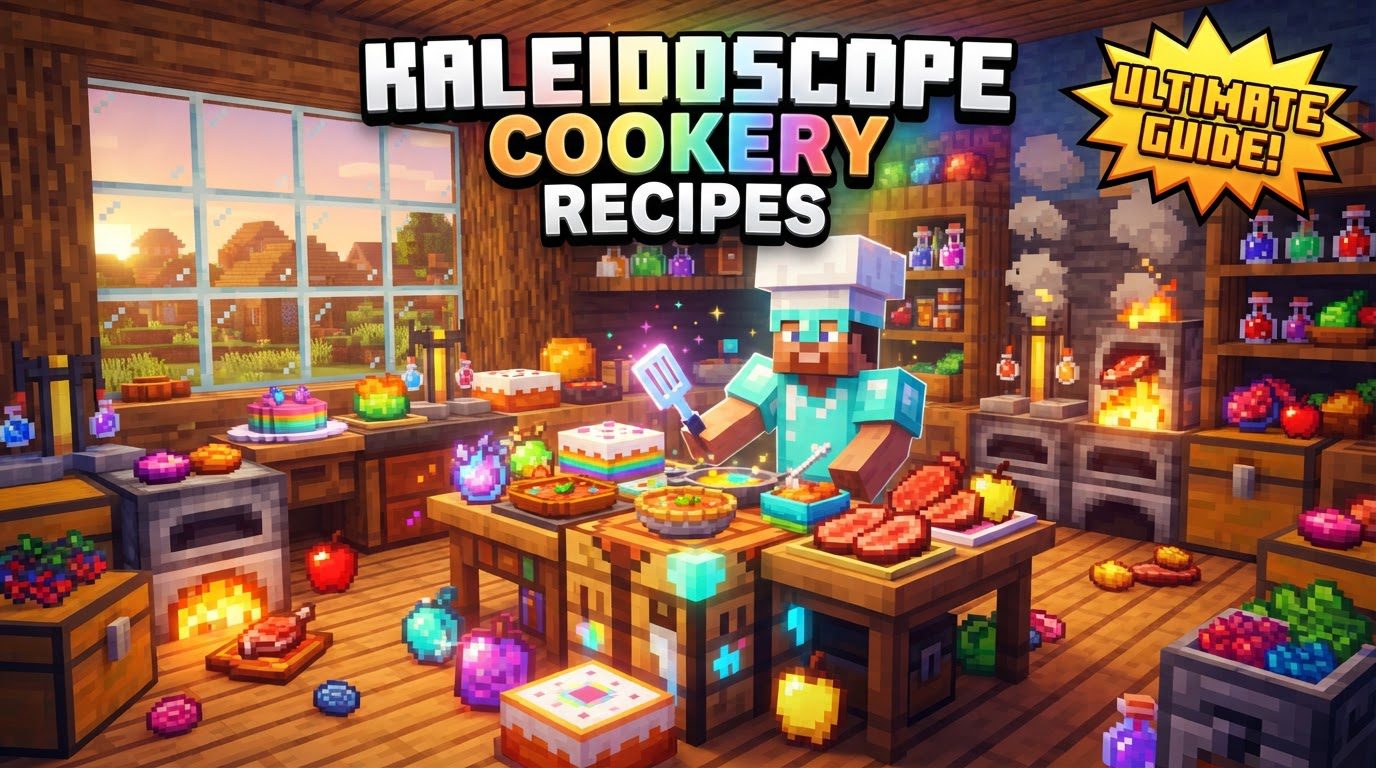
The “Kaleidoscope Cookery” mod revolutionizes how players interact with food in Minecraft. Moving far beyond the basic furnace smelting of raw ingredients, this comprehensive system introduces an intricate world of diverse ingredients, specialized cooking equipment, and complex recipes. It invites players to embrace the role of a true chef, requiring careful planning, preparation, and execution to craft delicious and often decorative meals.
The Culinary Journey Begins: Core Mechanics
At its heart, Kaleidoscope Cookery boasts an extensive ingredient and equipment system. Players will discover a vast array of new items, from fresh produce to specialized cookware. Cultivating new crops is fundamental, with options like tomatoes, lettuce, chili peppers, rice, and wild rice becoming staples for your culinary endeavors. These aren’t just decorative additions; they are essential building blocks for the mod’s myriad recipes.
The kitchen itself becomes a bustling hub thanks to a wide selection of new stations and tools. You’ll utilize chopping boards for precise ingredient preparation, woks for dynamic stir-frying, stockpots for simmering savory broths, and steamers for delicate dishes. Teapots allow for brewing a variety of beverages, while shawarma spits offer a unique roasting experience. Millstones are crucial for processing grains, and specialized stoves provide the necessary heat source for many operations.
Ingredient preparation is a cornerstone of this mod. Raw ingredients rarely go directly into a cooking vessel. For instance, seeds can be pressed into cooking oil using a millstone, a vital component in many recipes. Wheat isn’t just for bread; it can be milled into flour, which then combines with water to form raw dough. This multi-step approach adds a satisfying layer of realism and engagement to the cooking process.
The mod embraces diverse cooking methods. Forget simply tossing food into a furnace. Here, you’ll be stir-frying in a wok, simmering ingredients in a stockpot, steaming delicate dumplings, brewing refreshing teas, and roasting meats on a shawarma spit. Each method requires specific equipment and often unique interactions, making every dish feel like an accomplishment.
Discovering new dishes is an adventure in itself. The mod includes an in-game Guidebook, an invaluable resource that details mechanics, ingredients, and recipes. Additionally, various Recipe Pages (such as the Master Recipe Page or Beef Noodle Recipe Page) can be found, unlocking new culinary possibilities and guiding your hand through complex preparations. Finally, many finished foods aren’t just consumable; they can be placed in the world as serving dishes, allowing players to decorate their culinary spaces alongside the mod’s new kitchen furniture. This adds an aesthetic dimension to the functional aspects of cooking.
A crucial resource for many recipes is oil and grease. This can be acquired in two primary ways: by processing seeds (like sunflower or rapeseed) in a millstone to produce vegetable oil, or by using a specific kitchen knife to kill pigs, piglins, or hoglins, which will then drop animal fat.
From Field to Feast: The Cooking Process
The journey from raw ingredients to a finished meal in Kaleidoscope Cookery typically follows a detailed, multi-stage process, encouraging careful planning and execution.
- Gathering Ingredients: Your culinary adventure begins with sourcing. This involves cultivating the mod’s new crops, such as tomatoes, lettuce, or rice, often requiring dedicated farming plots. Other ingredients might be foraged, traded, or acquired through conventional Minecraft means.
- Preparation: Once gathered, raw ingredients almost always require some form of preparation. For example, wheat needs to be processed into flour using a millstone. This flour, combined with water, creates raw dough. Vegetables and meats often need to be sliced on a chopping board before they can be added to a recipe. This step is crucial and cannot be skipped.
- Utilizing Cookware: With ingredients prepped, they are then placed into the appropriate cooking station. A wok is used for stir-frying, a stockpot for soups and stews, a steamer for delicate items, and a teapot for brewing beverages. Selecting the correct vessel is paramount for success.
- Applying Heat: Many cooking stations are inert without a heat source. Stoves, teapots, and other equipment typically require a lit stove or a campfire placed directly underneath them to function. Without this heat, the cooking process will not initiate or progress.
- Monitoring and Completion: Cooking isn’t always instant. Some processes, like brewing tea, involve a progressive “brewing stage” that advances as long as a heat source is present. For dynamic dishes like stir-fries, players might need to actively “stir” the ingredients in the wok to ensure proper cooking and prevent burning or undesired outcomes.
- Serving: Once the cooking process is complete, the food is ready. Most dishes can be consumed directly to restore hunger and saturation. Teas, once brewed, are poured from the teapot into individual teacups. Many prepared meals can also be placed in the world as decorative serving dishes, enhancing the ambiance of your culinary creations.
Mastering the Kitchen: Essential Tips
To truly excel in Kaleidoscope Cookery, a few key insights can significantly enhance your experience and efficiency:
- Consult the Guidebook: The in-game Kaleidoscope Cookery Guidebook is not just a suggestion; it’s an indispensable tool. It provides detailed information on every ingredient, piece of equipment, and recipe. Make it your first stop for understanding mechanics and discovering new dishes.
- Efficient Oil Production: Oil is a frequently used ingredient. For vegetable oil, prioritize setting up a millstone and a steady supply of seeds. For animal fat, remember that killing pigs, piglins, or hoglins with a kitchen knife is the only way to acquire this specific type of oil from them. Using any other weapon will not yield the fat.
- Steamer Stacking: Maximize your cooking output with steamers. They can be stacked up to two layers high, allowing you to cook multiple items simultaneously from a single heat source underneath. This is a great way to batch-cook dumplings or other steamed dishes.
- Oil Pot Automation: For larger kitchens or automated setups, the oil pot is invaluable. It acts as specialized storage for cooking oil and is designed to work seamlessly with hoppers and pipes, making it easy to manage and distribute your oil supply.
- Teapot “Regret Period”: When brewing tea, there’s a forgiving 10-second “regret period” after you’ve added ingredients but before brewing actively begins. If you make a mistake or change your mind about the tea blend, you can remove the ingredients within this window without wasting them.
- Fruit Basket for Visual Storage: While not directly cooking-related, the fruit basket is a charming and practical storage solution. It can visually display and store up to eight items, such as apples, sweet berries, or other small produce, adding to the aesthetic appeal of your kitchen.
Avoiding Culinary Catastrophes: Common Mistakes
Even the most seasoned chefs can make errors. Understanding common pitfalls in Kaleidoscope Cookery will save you time, ingredients, and frustration:
- Incorrect Heat Source: A frequent oversight is neglecting the heat source. Many cooking stations, notably the stove and teapot, are useless without a proper heat source, such as a lit stove block or a campfire, placed directly underneath them. Failing to provide this will prevent any cooking from occurring.
- Missing Kitchen Knife for Animal Fat: As mentioned, acquiring oil from pigs, piglins, or hoglins is conditional. You must use a kitchen knife to slay them. Any other weapon, be it a sword or an axe, will not cause them to drop the animal fat, leading to wasted effort and missed resources.
- Improper Ingredient Ratios/Types: Kaleidoscope Cookery’s recipes are precise. Using the wrong ingredients, or incorrect quantities of the right ones, will lead to failed dishes. In stir-frying, for instance, such errors can result in “dark cuisine,” a culinary abomination that, when consumed, inflicts random and often negative potion effects. Always consult the Guidebook for exact specifications.
- Ignoring Preparation Steps: The mod emphasizes realism, meaning many ingredients require initial processing. Skipping steps like milling wheat into flour, combining flour and water for dough, or slicing vegetables on a chopping board will prevent those ingredients from being usable in a recipe. Always ensure all raw components have undergone the necessary preparation before attempting to cook with them.
Kaleidoscope Cookery fundamentally redefines the culinary experience in Minecraft. By embracing its intricate systems, diverse ingredients, and specialized equipment, players can transform their blocky world into a gourmet paradise, one carefully crafted dish at a time.
Tags:
YOU MAY ALSO LIKE...