

Kaleidoscope Cookery How to Cook
Consuming “dark cuisine” in Kaleidoscope Cookery isn’t just unpleasant; it’s a culinary disaster waiting to happen, often afflicting players with random, negative potion effects like poison or hunger. This common mistake highlights the depth and precision required by this comprehensive Minecraft Java Edition mod, which completely redefines the culinary experience, moving far beyond simple furnace smelting.
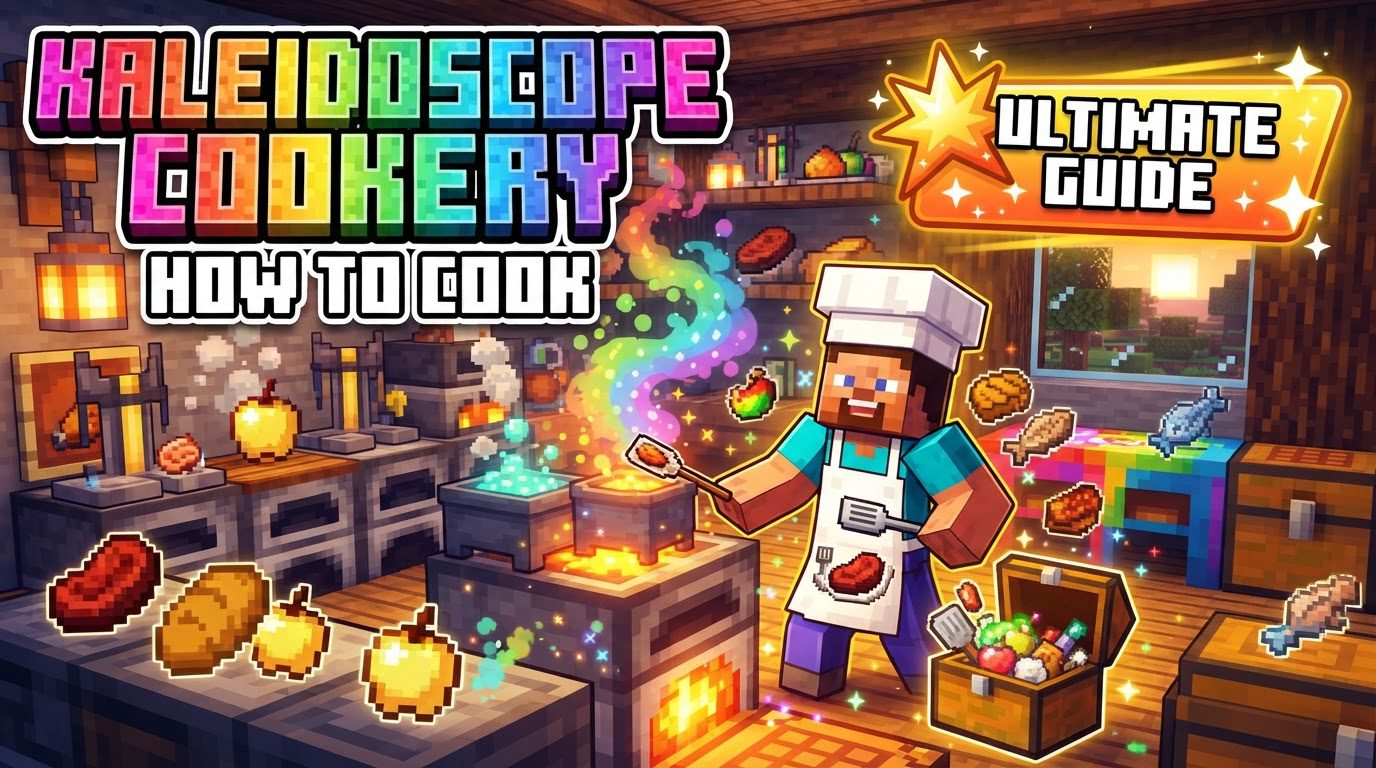
Embracing a New Era of Minecraft Gastronomy
Kaleidoscope Cookery is a meticulously crafted mod designed to immerse players in a rich and detailed cooking system. Compatible with Minecraft versions 1.20.1 and 1.21.1, it seamlessly integrates with Forge, Fabric, or NeoForge loaders, making it accessible to a wide range of players. This mod doesn’t just add new food items; it introduces a sophisticated ecosystem of farming, processing, and cooking that demands attention to detail and rewards culinary creativity.
At its core, Kaleidoscope Cookery expands the agricultural landscape with a vibrant array of new crops. Players can now cultivate staples like tomatoes, lettuce, chili peppers, and rice, providing a broader palette of ingredients for their culinary adventures. The journey from raw ingredient to gourmet meal involves dedicated cooking equipment and specialized preparation methods, turning every cooking session into an engaging mini-game.
Your Essential Culinary Companion: The In-Game Guidebook
Before diving deep into the mod’s mechanics, it’s crucial to acknowledge the most valuable tool at your disposal: the Kaleidoscope Cookery Guidebook. This in-game resource is an indispensable compendium, offering detailed information on every aspect of the mod. It covers recipes, ingredients, various cooking methods, farming techniques, and comprehensive descriptions of all equipment. Referring to the Guidebook regularly will prevent many common errors and unlock the full potential of your kitchen.
Mastering Your Kitchen: Key Equipment & Their Uses
The mod introduces a suite of specialized kitchen stations, each with a unique role in the cooking process. Understanding their functions is the first step towards becoming a master chef:
- Wok: Essential for stir-frying and other pan-based dishes, typically requiring a heat source.
- Chopping Board: Used for preparing ingredients, such as dicing vegetables or slicing meat.
- Stockpot: Ideal for brewing soups, stews, and other liquid-based concoctions.
- Steamer: For gentle cooking, preserving nutrients and creating soft textures.
- Teapot: Dedicated to brewing various types of tea.
- Stove: The primary heat source for most thermal cooking processes.
- Millstone: For grinding raw materials into processed ingredients.
- Shawarma Spit: For roasting meats slowly, creating delicious grilled dishes.
From Field to Feast: Ingredient Preparation
Cultivating New Flavors
To begin your culinary journey, you’ll need fresh ingredients. The mod’s expanded farming system allows you to grow new crops like tomatoes, lettuce, chili peppers, and rice. Protecting these valuable harvests is made easier with craftable Scarecrows, which deter unwanted visitors from your farming areas, ensuring a steady supply of fresh produce.
The Millstone: Grinding Essentials
Many recipes require processed ingredients. The Millstone is your go-to station for this. It efficiently grinds raw materials into more refined forms. For example, you can process up to eight wheat at once into flour, a fundamental ingredient for many baked goods. Similarly, seeds can be ground into cooking oil, providing a renewable source for your frying needs.
Sourcing Cooking Oil
Cooking oil is a vital component for many dishes. Beyond milling seeds, you can also obtain oil by defeating pigs, piglins, or hoglins with a kitchen knife. This adds a dynamic element to ingredient gathering. Once collected, oil should be stored in an Oil Pot, a specialized container that can also be integrated into automated setups using hoppers and pipes for efficient resource management.
Crafting Basic Dough
Dough is a versatile base for many culinary creations. To make raw dough, you first need flour, which is obtained by grinding wheat in a Millstone. Once you have five flour, combine them with a water bucket in a crafting grid, or simply drop the flour directly into water. This simple step opens up a world of possibilities for breads, pastries, and more.
The Art of Cooking: Advanced Techniques
The Heart of the Kitchen: The Stove
The Stove is the cornerstone of any Kaleidoscope Cookery kitchen, serving as the primary heat source for thermal processing. To activate it, simply place the stove in your world and right-click it to light it. Once lit, it will transfer heat to any compatible cookware placed directly on top, such as a Wok, Steamer, or Teapot.
Perfectly Steamed Creations
Steaming is a gentle and healthy cooking method. To steam ingredients, place a Steamer directly onto a lit Stove. You can then add raw dough or other ingredients like tomatoes, lettuce, or various meats. The mod allows for impressive efficiency, as you can stack up to two layers of steamers on a single stove, and each layer can steam up to four items simultaneously, making batch cooking a breeze.
The Sizzle of Stir-Frying
For quick and flavorful meals, stir-frying is a must. Begin by placing a Wok or a suitable pan onto a lit Stove. Add cooking oil to the pan, followed by your chosen ingredients, such as raw salmon or chopped vegetables. The key to successful stir-frying is continuous stirring until the dish is fully cooked. Neglecting to stir properly can lead to the dreaded “dark cuisine.”
Brewing the Perfect Cuppa
Beyond meals, Kaleidoscope Cookery also allows for brewing comforting beverages. Place a Teapot on any heat source. Inject water into the teapot as the base, then add specific tea ingredients to initiate the brewing process. Once brewed, you can fill empty teacups directly from the teapot and then consume them for various effects, offering a relaxing break from adventuring.
Smart Kitchen Management & Automation
Automating Oil Production
For those looking to optimize their kitchen workflow, the Oil Pot offers automation potential. It can be seamlessly integrated into larger setups using hoppers and pipes, allowing for the automatic collection and storage of cooking oil, ensuring you never run out during a busy cooking session.
The Social Chef: Villagers & Recipes
Expand your culinary repertoire by interacting with Chef villagers. These helpful NPCs can be found naturally in villages or spawned by placing a stove in a villager-accessible area. They often provide new and exciting recipes, expanding your cookbook and unlocking more complex dishes.
Serving Up Style: Plated Foods
Once your culinary masterpiece is complete, Kaleidoscope Cookery allows you to present it with flair. Prepared plated foods can be placed directly into the world as decorative and functional blocks. Players can then interact with these placed dishes to take individual portions, making them perfect for shared feasts or display.
Avoiding Culinary Catastrophes: The Dark Cuisine Menace
As mentioned, precision is paramount in Kaleidoscope Cookery. A common pitfall is the creation of “dark cuisine,” an inedible item that results from incorrectly preparing a dish, such as insufficient stirring during stir-frying or incorrect ingredient combinations. Consuming dark cuisine is highly detrimental, often applying random, negative potion effects like poison or hunger. Always consult your Guidebook and follow recipes diligently to avoid this culinary mishap and ensure your dishes are both delicious and safe to eat.
With these insights and the indispensable in-game Guidebook, you are well-equipped to embark on a delightful and challenging culinary journey within Minecraft’s Kaleidoscope Cookery. Happy cooking!
Tags:
YOU MAY ALSO LIKE...


