Pricing Content for the Minecraft Marketplace — A Quick Guide
Navigating the Minecraft Marketplace as a creator offers a unique opportunity to share your creativity with a vast audience while generating revenue. Understanding the intricacies of pricing your content is paramount to success. This comprehensive guide will walk you through the essential mechanics, strategic considerations, and common pitfalls to ensure your creations are both valued and competitive.
Understanding the Minecraft Marketplace Economy
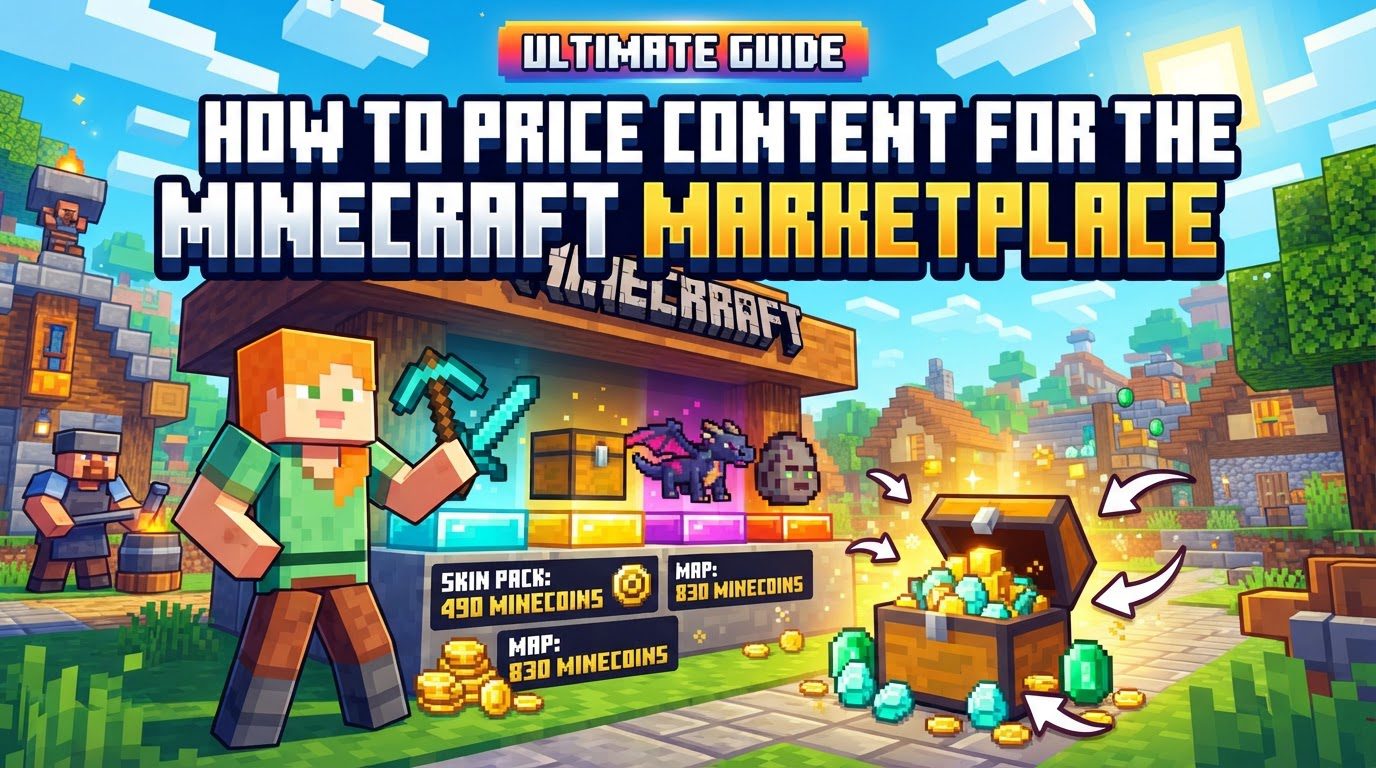
The foundation of content pricing within the Minecraft Marketplace rests upon the in-game currency known as Minecoins. Players acquire Minecoins by purchasing bundles with real money, with larger bundles typically providing a better value per Minecoin. This system directly influences player purchasing psychology; creators must price their items in Minecoins, often aligning with common real-money price points such as $1.99, $2.99, or $4.99 equivalents. This alignment helps players perceive the value of content in terms of real-world cost.
To publish content, creators must first be accepted into the exclusive Minecraft Partner Program. Once approved, partners gain the ability to develop and submit various content types for the Marketplace. These content types cater to a wide range of player preferences and creative expressions:
- Skin packs, offering aesthetic customization for player characters.
- Worlds, which include diverse experiences such as adventure maps, intricate survival challenges, and engaging minigames.
- Texture packs, altering the visual appearance of the game world.
- Add-ons, which introduce new gameplay mechanics or content.
- Mash-up packs, combining elements like skins, textures, and worlds into a themed package.
A crucial aspect of the revenue model for creators is the 70% creator / 30% Microsoft revenue split. This split is applied uniformly across all content types, ensuring transparency with no hidden fees or tiered rates that might complicate earnings calculations for partners. It’s important to note that every content submission, regardless of its type or the creator’s experience, undergoes a rigorous review process by the Minecraft Content Team before it becomes available for purchase by the public.
The Content Pricing and Submission Process
The journey from content creation to its availability on the Marketplace follows a clear, structured process designed to ensure quality and fair pricing:
- Become an approved member of the Minecraft Partner Program: This is the essential first step, granting you access to the necessary tools, resources, and platform required for content submission. Without Partner Program acceptance, content cannot be published to the Marketplace.
- Develop high-quality content: Focus on creating engaging, functional, and polished content. Whether it’s an intricate skin pack, an immersive world with compelling gameplay, or a detailed texture pack, quality is paramount for player satisfaction and Marketplace success.
- Determine a price for your content in Minecoins: This critical decision requires careful consideration. You must factor in your content’s type, the amount of effort and time invested in its development, its unique features, and its perceived value to players. This step is where strategic pricing comes into play.
- Submit your content and its proposed price for review: Once your content is complete and you’ve decided on a price, you will submit both the content files and the pricing proposal to the Minecraft Content Team. They will evaluate your submission for adherence to technical and content guidelines, overall quality, and the appropriateness of the proposed Minecoin price.
- Upon approval, the content becomes available for purchase in the Marketplace: After successfully passing the review process, your creation will be officially published and go live. At this point, players worldwide can discover, purchase, and enjoy your content, and you will begin to earn revenue from sales.
Strategic Pricing Considerations and Marketplace Research
Effective pricing goes beyond simply picking a number; it involves a deep understanding of the Marketplace ecosystem and player behavior. A fundamental tip is to truly grasp the Minecoin system, not just as a currency, but as a reflection of real-money value. This understanding is key to setting effective price points and comprehending the psychological aspect of player purchases. Players often consider the real-world equivalent cost of Minecoins when evaluating a purchase, so aligning your prices with common real-money tiers can make your content more appealing and accessible.
Different content types offer varying revenue potential and require different levels of investment from creators:
- Worlds: These typically offer the highest per-sale revenue due to their complexity, depth, and the extensive gameplay hours they can provide. However, they also demand significant development time, often ranging from 2 to 8 weeks for a truly high-quality and engaging experience. The substantial effort required justifies a higher price point compared to simpler content types.
- Texture Packs: While a more niche market compared to worlds or skin packs, texture packs can be quite profitable if executed well. Success in this category demands strong artistic skill, meticulous attention to detail, and a cohesive visual style to create an aesthetic that resonates with players.
- Skin Packs, Add-ons, and Mash-up Packs: These categories also have their own specific pricing considerations based on the originality, quantity, and overall quality of the content they offer. For instance, a skin pack with a large number of unique, high-quality skins can command a higher price than one with fewer, less detailed options.
One of the most important tips for long-term success is recognizing that a larger catalog size significantly contributes to higher overall earnings. Each individual item in your catalog, once published, can generate passive income over time. The more quality content you have available and consistently maintained, the greater your potential for cumulative sales and sustained revenue across your entire portfolio.
Before finalizing your price, it is crucial to research the prices of similar content already available in the Marketplace. This research helps ensure your content is competitively priced without drastically undercutting others, which can devalue the market as a whole and create an unhealthy pricing environment. Aim for a price that accurately reflects the quality and effort of your work while remaining attractive and justifiable to potential buyers.
When determining your price, consider several influencing factors:
- Rarity: Is your content unique or does it offer something not commonly found in the Marketplace? High originality can justify a premium.
- Difficulty of Creation: How much skill, specialized knowledge, time, and effort went into producing it? More complex creations often warrant higher prices.
- Supply: Is there an abundance of similar content already available, or is yours filling a specific, underserved gap in the market?
- Demand: Is there a known desire or popular trend for this specific type of content among players? High demand can support a stronger price point.
Additionally, clearly displaying prices and considering offering discounts for larger purchases or bundles can enhance player engagement, provide perceived value, and potentially drive higher sales volumes.
Maximizing Earnings and Avoiding Common Pitfalls
To ensure sustained success, maintain player satisfaction, and foster a positive reputation, creators must be aware of common mistakes and actively work to avoid them.
Pricing Errors
- Undercutting prices too drastically: While tempting as a strategy to attract buyers quickly, this practice can lead to an unhealthy economy for all creators. It devalues content across the board, making it difficult for anyone to earn fair compensation for their work. It’s important to find a balance between competitiveness and a fair valuation of your artistic and development efforts.
- Overpricing content: Many players already perceive some Marketplace items to be expensive relative to their real-world cost. Setting excessively high prices without clear justification in quality or uniqueness can deter potential buyers, leading to low sales volumes and missed opportunities. Value perception is a critical component of pricing strategy.
Quality and Functionality Issues
- Selling broken, non-functional, or low-quality content: This is a sure path to player dissatisfaction, negative reviews, and ultimately, a damaged reputation within the Marketplace community. Always prioritize rigorous quality assurance, thorough testing, and a commitment to excellence before submission.
- Content becoming unusable after game updates: Minecraft is an evolving game with frequent updates. Creators must commit to maintaining their content, updating it as necessary to ensure it remains functional, compatible, and enjoyable for players after new game versions are released. Neglecting this leads to a poor user experience and a loss of trust from your customer base.
Information and Originality
- Lack of essential information in product descriptions: Players need to know exactly what they are buying. Ensure your product descriptions are comprehensive, including vital details such as required hardware specifications, clear gameplay previews (especially crucial for worlds), and a thorough overview of what the content offers. Ambiguity leads to player frustration and potential refund requests.
- Copyright infringement: Selling content that is not original or for which you do not have the proper licenses and permissions is a serious offense. Always ensure your creations are entirely your own original work or that you possess all necessary rights and licenses for any third-party assets used. Respect for intellectual property is non-negotiable and crucial for maintaining a professional standing.
By adhering to these guidelines, strategically pricing your creations, and consistently delivering high-quality, well-maintained content, you can cultivate a thriving and rewarding presence in the Minecraft Marketplace. Focus on understanding your audience, respecting the market dynamics, and continuously improving your offerings to build a sustainable and successful creator career.
Tags:
YOU MAY ALSO LIKE...