How Minecraft handles anti-cheat on official servers
Unlike many competitive online games that boast a single, universal client-side anti-cheat, Minecraft’s approach to combating illicit behavior on its official and public servers is notably nuanced and, for Java Edition, largely decentralized. This unique strategy means that while Bedrock Edition benefits from an integrated, Mojang-developed system, Java Edition relies predominantly on sophisticated server-side monitoring, a distinction crucial for understanding the game’s defense against cheaters.
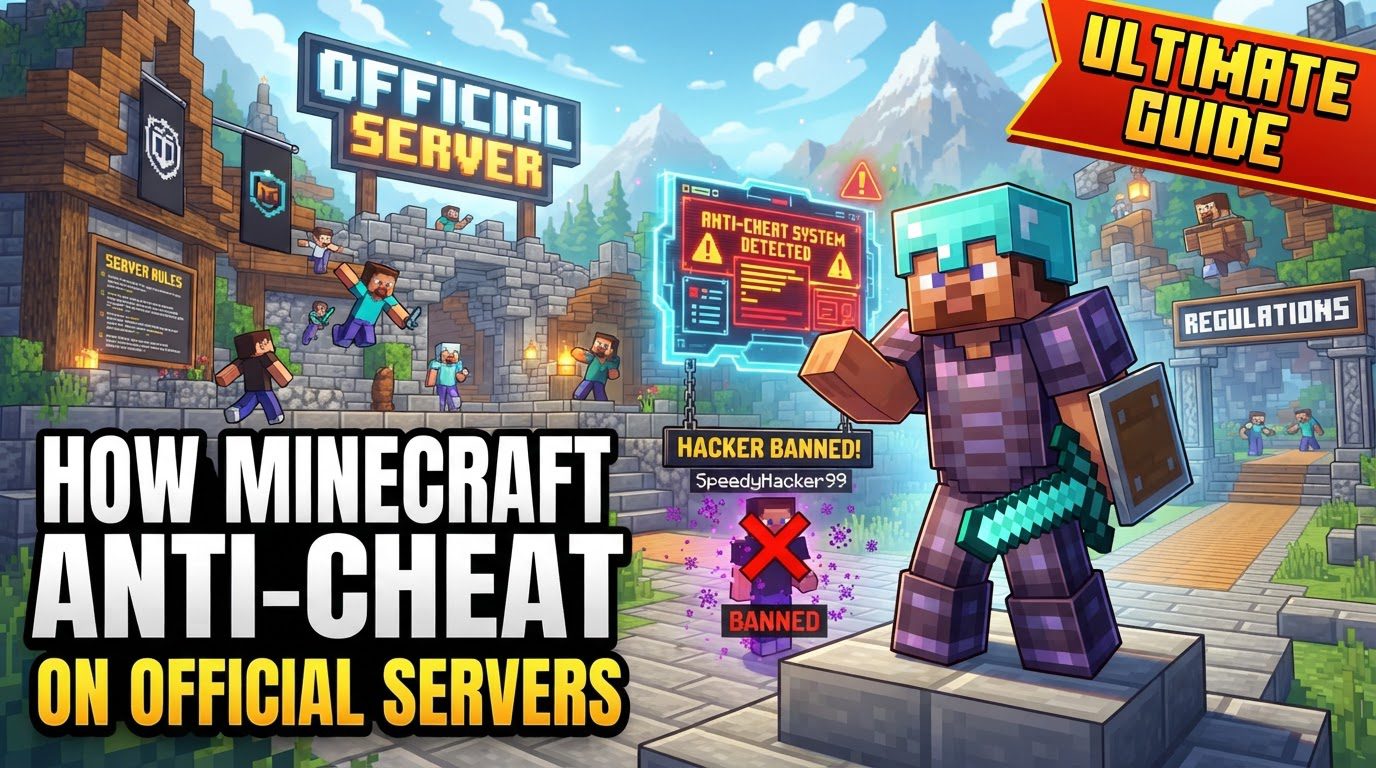
The Core Philosophy: Server-Side Vigilance
At its heart, Minecraft’s anti-cheat strategy, particularly for Java Edition, revolves around server-side detection. This means the server itself is constantly observing and analyzing player actions, rather than relying solely on software running on the player’s computer. Server administrators for Java Edition frequently implement third-party plugins or custom modifications to achieve this, making anti-cheat a dynamic and evolving landscape unique to each server. This contrasts sharply with Bedrock Edition, which features a more unified and integrated system developed by Mojang itself.
Key Mechanisms of Detection
The efficacy of Minecraft’s anti-cheat systems stems from a multi-layered approach, scrutinizing various aspects of player interaction within the game world. These layers work in concert to identify and flag anomalous behavior:
- Behavioral Analysis: Rather than looking for specific client-side hacks, anti-cheat systems track player behavior against the expected physics and mechanics of Minecraft. Any action that deviates significantly from what’s legitimately possible-such as moving at impossible speeds or breaking blocks from an unrealistic distance-triggers an alert.
- Movement Analysis: This layer is designed to catch cheats that manipulate player position and velocity. It meticulously monitors for signs of speed hacks, unauthorized flight, instantaneous teleportation, or any other impossible positional changes that grant an unfair advantage.
- Combat Monitoring: In the heat of battle, anti-cheat systems are vigilant for suspicious combat patterns. This includes detecting kill-aura (attacking entities without looking at them), unnaturally increased reach, automated auto-clicker patterns, and abuse of critical hit mechanics.
- Block Interaction Checks: Players attempting to manipulate the environment unfairly are targeted here. This layer identifies nuker hacks (rapid, widespread block destruction), unusual X-ray mining patterns that suggest illegal resource finding, and impossible block placements.
- Inventory Manipulation: Exploits involving items are also under scrutiny. This includes detection of duplication exploits, which allow players to create infinite items, and any form of illegal item modifications that could destabilize the game economy or provide unfair power.
- Packet Inspection: For a more technical approach, some systems analyze the network traffic (packets) exchanged between the player’s client and the server. This can reveal attempts to send malformed data or client-side modifications that alter game behavior.
Bedrock Edition’s Integrated System
In a significant divergence from Java Edition, Minecraft Bedrock Edition incorporates a more robust, integrated anti-cheat system directly from Mojang. This native solution automatically detects and bans hackers from public servers, ensuring a more consistent and secure experience across the Bedrock ecosystem. These bans are often account-based, carrying severe consequences such as the loss of access to marketplace content and the inability to participate in online multiplayer gameplay, highlighting Mojang’s commitment to fair play on this platform.
The Internal Logic: How Anti-Cheat Systems Operate
Understanding the internal process of an anti-cheat system reveals its methodical approach to maintaining game integrity:
- Data Collection: The server acts as a relentless observer, continuously gathering vast amounts of player data. This includes every movement, every combat interaction, every block placed or destroyed, and every network packet sent or received.
- Rule-Based and Heuristic Analysis: The collected data is then fed into an analytical engine. This engine compares player actions against a comprehensive set of predefined rules (e.g., maximum sprint speed, maximum block reach) and behavioral heuristics (patterns of legitimate play). Any action that deviates from these established norms-such as a player moving faster than the game’s allowed sprint speed-is immediately flagged as suspicious.
- Flagging and Escalation: Suspicious actions don’t immediately lead to a ban. Instead, they are “flagged,” and the system often assigns a “violation level” to the player. This level incrementally increases with the frequency, severity, or persistence of detected illicit activities, creating a cumulative record of potential cheating.
- Action Implementation: Based on the accumulated violation level and the specific configuration of the server, the anti-cheat system can implement a range of corrective actions. These can start with subtle warnings, progress to correcting player movement (e.g., teleporting them back to their last legitimate position), escalate to kicking them from the server, and ultimately result in temporary or even permanent bans for severe or repeated infractions.
- Setback Feature: An intelligent feature in some anti-cheat systems is the “setback” mechanism. If a movement cheat is detected, instead of just kicking the player, the system might instantly return them to their last known legitimate position. This prevents the cheater from gaining any lasting advantage, effectively nullifying the cheat in real-time.
Guidance for Server Administrators
For those managing Java Edition servers, effective anti-cheat implementation requires careful planning and ongoing maintenance:
- Combine Anti-cheat with Other Protections: A strong defense isn’t built on anti-cheat alone. Server administrators should integrate anti-cheat systems with other security plugins, such as those for grief prevention, permission management, and anti-spam. Regular server backups are also crucial for recovery.
- Configure Escalating Punishments: Implementing a progressive punishment system is key. Start with warnings for minor offenses, move to temporary kicks, then short temporary bans, and reserve permanent bans for the most severe or persistent cheating. This approach allows for rehabilitation while deterring repeat offenders.
- Exempt Staff Permissions: To prevent false positives and maintain staff functionality, ensure that staff members using legitimate commands like
/flyor/teleportare properly exempted from anti-cheat checks. - Adjust for High-Latency Players: Network latency can cause movement irregularities that might be misinterpreted by anti-cheat systems. Administrators should configure settings to account for players with high ping to minimize false positives and ensure a fair experience for all.
- Start with Default Settings: When deploying a new anti-cheat, it’s advisable to begin with its default configurations. Monitor server activity closely, gather data, and then gradually adjust strictness levels based on observed cheating patterns and false positive rates.
Navigating the Pitfalls: Common Anti-Cheat Challenges
Despite their sophistication, anti-cheat systems are not without their challenges:
- False Positives from Legitimate Actions: One of the most frustrating issues is when legitimate gameplay mechanics are flagged as cheats. This can include using Elytra with fireworks for rapid flight, elaborate slime block launchers, or even server-side teleportation commands, which can inadvertently trigger anti-cheat warnings or actions.
- Lag Spikes: Server performance issues or sudden drops in player framerates can lead to erratic player movement data. Anti-cheat systems might misinterpret these lag-induced irregularities as movement hacks, resulting in unfair penalties.
- Conflicts with Other Plugins: Minecraft servers often run numerous plugins. Anti-cheat solutions can conflict with other plugins that modify player speed, flight capabilities, or teleportation, leading to unintended detections or even server instability.
- Ignoring Performance Impact: Anti-cheat systems, especially those with complex detection layers, consume significant server resources. Over-configuring or using inefficient anti-cheats can lead to a noticeable drop in server performance (TPS – ticks per second), negatively impacting the experience for all players.
- Outdated Anti-cheat Versions: The cat-and-mouse game between cheaters and anti-cheat developers is constant. Older anti-cheat versions may quickly become ineffective against newer cheat clients, necessitating regular updates to remain vigilant.
- Inadequate Configuration: Simply installing an anti-cheat plugin is not enough. Without proper, server-specific configuration and fine-tuning, an anti-cheat system can generate more problems through false positives or fail to catch prevalent cheats, ultimately creating more frustration than security.
In conclusion, Minecraft’s anti-cheat landscape is a dynamic and multifaceted environment. While Bedrock Edition benefits from a unified, built-in system by Mojang, Java Edition’s defense relies on the diligent implementation and continuous refinement of server-side solutions by administrators. This constant evolution, coupled with the inherent challenges of distinguishing legitimate play from illicit activity, underscores the ongoing commitment required to maintain a fair and enjoyable experience for all players in the blocky worlds of Minecraft.
Tags:
YOU MAY ALSO LIKE...