How Minecraft handles reporting toxic players
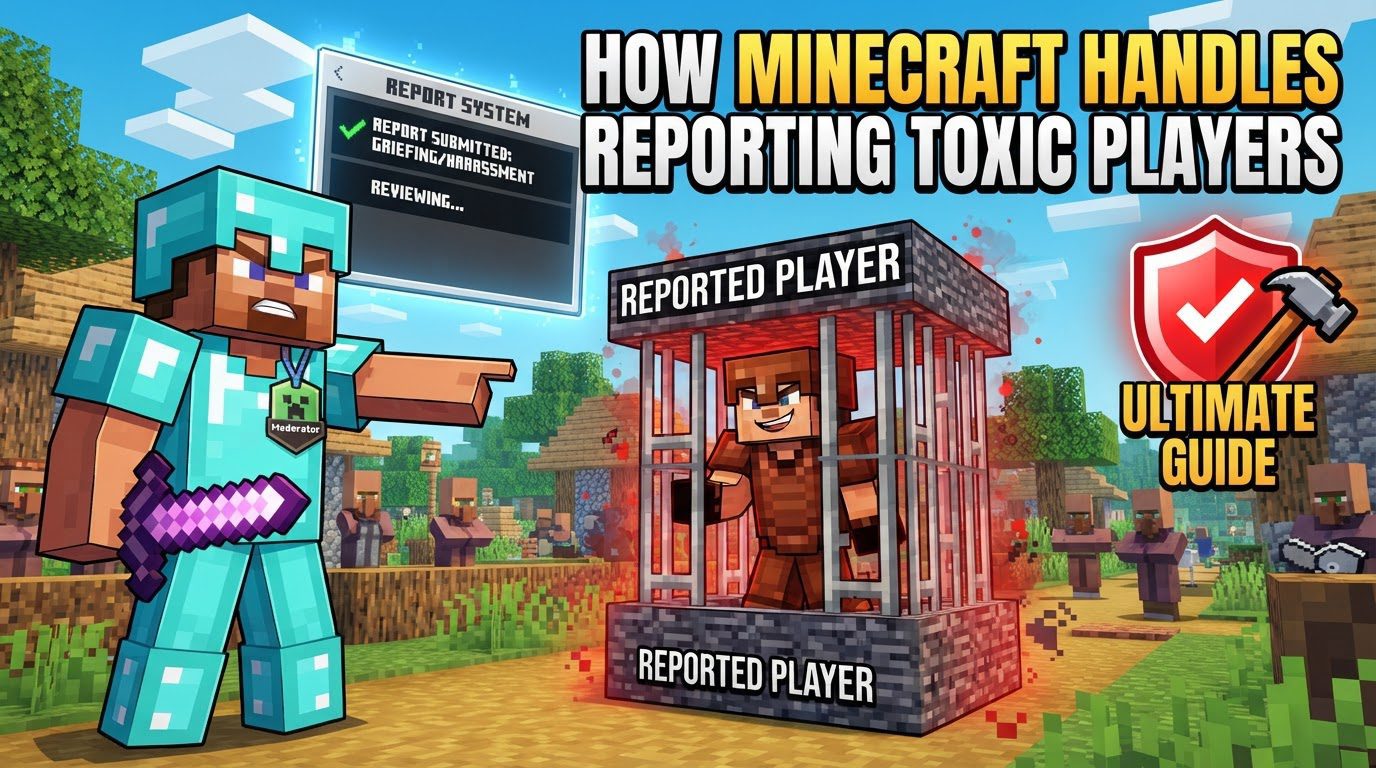
Since version 1.19.1, Minecraft has empowered its players with a direct and robust system for reporting toxic behavior directly to Mojang Studios. This comprehensive player reporting mechanism is a cornerstone of Mojang’s commitment to fostering a safer and more inclusive environment across all multiplayer servers. Far from an automated filter, this system relies on a dedicated team of human moderators to review submissions, ensuring fair and contextual decisions are made when addressing violations of community standards.
Understanding Minecraft’s Moderation Framework
Mojang’s approach to player moderation is built on several key principles designed to ensure fairness, accuracy, and broad applicability. The system was meticulously introduced to provide a standardized method for players to flag inappropriate content and behavior, regardless of the server they are playing on.
- Human Moderation at its Core: Unlike many automated systems that might misinterpret context or nuances, all reports submitted to Mojang are diligently reviewed by a trained team of human moderators. This ensures that every case receives careful consideration, taking into account the specific circumstances surrounding the reported incident.
- Broad Scope of Reportable Content: The system is designed to address toxicity across various forms of in-game communication and identity. Players can report inappropriate chat messages, player names that violate community guidelines, and even player skins deemed offensive or unsuitable. This wide scope helps cover the primary avenues through which players might encounter toxic content.
- Cryptographically Signed Chat for Authenticity: A critical technical innovation underpinning the reporting system is the use of digitally signed chat messages. This cryptographic signature prevents forgery and tampering, providing Mojang’s moderators with irrefutable evidence of what was said. This authenticity is crucial for making accurate judgments and maintaining the integrity of the reporting process.
- Universal Enforcement Across Servers: One of the most significant aspects of this system is its application to all multiplayer servers, including private ones. While server owners retain the ability to moderate their own communities, Mojang’s system provides an overarching layer of protection, ensuring that fundamental community standards are upheld everywhere. However, it’s important to note that some popular servers may operate with “unverified chats,” where Mojang cannot process reports due to technical configurations, though server-specific moderation remains active.
- Contextual Review for Fair Decisions: Moderators understand that words and actions can have different meanings depending on the situation. Therefore, they consider the broader context of reported messages and behaviors, including in-game situations, to avoid misinterpretations and ensure that actions are taken only when a genuine violation has occurred.
Your Role: A Step-by-Step Reporting Guide
Reporting a toxic player in Minecraft is a straightforward process, designed to be accessible to all players who encounter behavior that violates community guidelines. Following these steps ensures your report provides Mojang with the necessary information for review:
- Access the Reporting Tool: The reporting interface can be conveniently accessed directly within the game. Players can typically find it via the social interactions screen (often mapped to the default key ‘P’) or through the pause menu during gameplay.
- Select the Offense and Offender: Once in the reporting tool, you will need to identify the player you wish to report. From there, you can select the specific piece of content that constitutes the offense-whether it’s particular chat messages, the player’s name, or their character skin.
- Categorize and Detail the Issue: Minecraft provides a list of predefined categories for various types of violations (e.g., hate speech, harassment). Choose the category that best describes the offense. Additionally, you’ll be prompted to provide a short comment detailing the issue. While the system captures evidence automatically, a concise explanation helps moderators understand your perspective.
- Submission and Review: After categorizing and detailing, your report, along with the digitally signed evidence, is securely sent to Mojang’s moderation team. They will then begin their review process.
- Action Taken: If the moderation team confirms a violation of Minecraft’s community standards, appropriate action will be taken. This can range from temporary suspensions to permanent bans from all multiplayer servers and Realms, depending on the severity and frequency of the offense. It’s crucial to understand that these account bans are linked directly to the player’s Microsoft account, affecting their ability to access multiplayer features across the platform.
Defining Toxicity: Reportable Offenses
Mojang’s community standards clearly outline what constitutes reportable behavior. Familiarizing yourself with these categories is essential for making effective and valid reports. The following actions and content are considered violations:
- Suicide or self-harm: Content promoting or encouraging self-harm.
- Child sexual exploitation or abuse: Any content related to the exploitation or abuse of minors.
- Terrorism or violent extremism: Promotion or glorification of terrorist acts or extremist ideologies.
- Hate speech: Language intended to insult, intimidate, or threaten individuals based on their identity (e.g., race, religion, gender, sexual orientation).
- Imminent harm or real-life threats: Threats of violence or harm directed at individuals or groups.
- Non-consensual intimate imagery: Sharing private, intimate images without consent.
- Bullying or harassment: Repeated or severe aggressive behavior intended to upset or intimidate.
- Defamation, impersonation, false information: Spreading false information, impersonating others (especially staff), or damaging reputations.
- Alcohol or drugs: Content promoting illegal drug use or underage alcohol consumption.
- Sexual content and soliciting improper contact: Explicit sexual content or attempts to solicit inappropriate contact.
- Exposing personal information of others: Doxing or sharing private details about other players without their consent.
- Posting links to malicious software: Distributing links that lead to viruses, malware, or phishing attempts.
- Impersonating staff: Falsely claiming to be a Mojang or Microsoft employee or moderator.
- Cheating/exploits that negatively affect other players’ gameplay: Using unfair advantages that directly harm the experience of others.
- General commercial spamming: Unsolicited advertising or promotional content.
Maximizing Your Report’s Impact
To ensure your report is as effective as possible and leads to appropriate action, consider these best practices:
- Provide Sufficient Evidence: While the system captures chat logs, ensure the messages you select clearly demonstrate the toxic behavior. A report without clear evidence cannot be actioned.
- Be Specific: When selecting content to report, pinpoint the exact offending chat messages, the precise player name, or the specific element of the skin that violates guidelines.
- Understand Reportable Categories: Familiarize yourself with Mojang’s community guidelines. Reporting behavior that falls outside these categories is unlikely to result in a Mojang ban.
- Appeal Unjust Bans: If you believe a ban issued by Mojang was unjust or a mistake, you have the right to appeal. This can typically be done through a “Case Review Request” form, allowing you to present your side of the situation.
Navigating the Nuances: Limitations and Misconceptions
While powerful, Mojang’s reporting system has specific limitations and is often subject to common misunderstandings:
- Profanity Alone is Not a Banning Offense (by Mojang): This is a frequent misconception. Mojang will not ban players solely for using swear words or profanity. Their focus is on severe behaviors like hate speech, harassment, or threats. Individual server owners, however, are free to enforce their own rules regarding profanity and may ban players accordingly.
- Limited to In-Game Chat, Names, and Skins: The system is specifically designed to detect and process reports for offensive content conveyed through chat messages, player names, and player skins. It cannot address toxicity expressed through other in-game elements such as signs, books, nametags, block formations, external links shared in less direct ways, or subtle, coded language that circumvents direct chat detection.
- Consequences for False Reporting: Submitting reports that are intentionally false or malicious can also lead to consequences for the reporter, underscoring the importance of honest and accurate reporting.
- Griefing and Exploiting (Server-Specific): Actions like griefing (destroying other players’ builds), attacking other players (PVP), stealing items, or using client-side mods to exploit server mechanics are generally not considered reportable directly to Mojang. These are typically handled by individual server moderators, unless the act of griefing or exploiting is accompanied by direct violations of community standards, such as hate speech.
- Context in Reports: While Mojang moderators consider context, the system typically includes a limited number of messages in a report (up to 40 messages: 1-4 selected messages plus up to 9 before them). Selecting only a few messages without broader conversational context could potentially be misinterpreted, though human moderators strive to understand the full picture.
- Private Server Autonomy: Despite the universal application of Mojang’s reporting system, private server owners retain significant autonomy over their communities. They can set their own rules and moderate their players as they see fit. Mojang generally only intervenes in private server bans if there are overt violations of their End User License Agreement (EULA) and Terms of Service.
By understanding how Minecraft’s player reporting system works, its capabilities, and its limitations, players can actively contribute to maintaining a safer and more enjoyable environment for everyone. Mojang’s commitment to human moderation and authentic evidence ensures that reports are handled with care, leading to a more positive multiplayer experience across the blocky landscapes.
Tags:
YOU MAY ALSO LIKE...