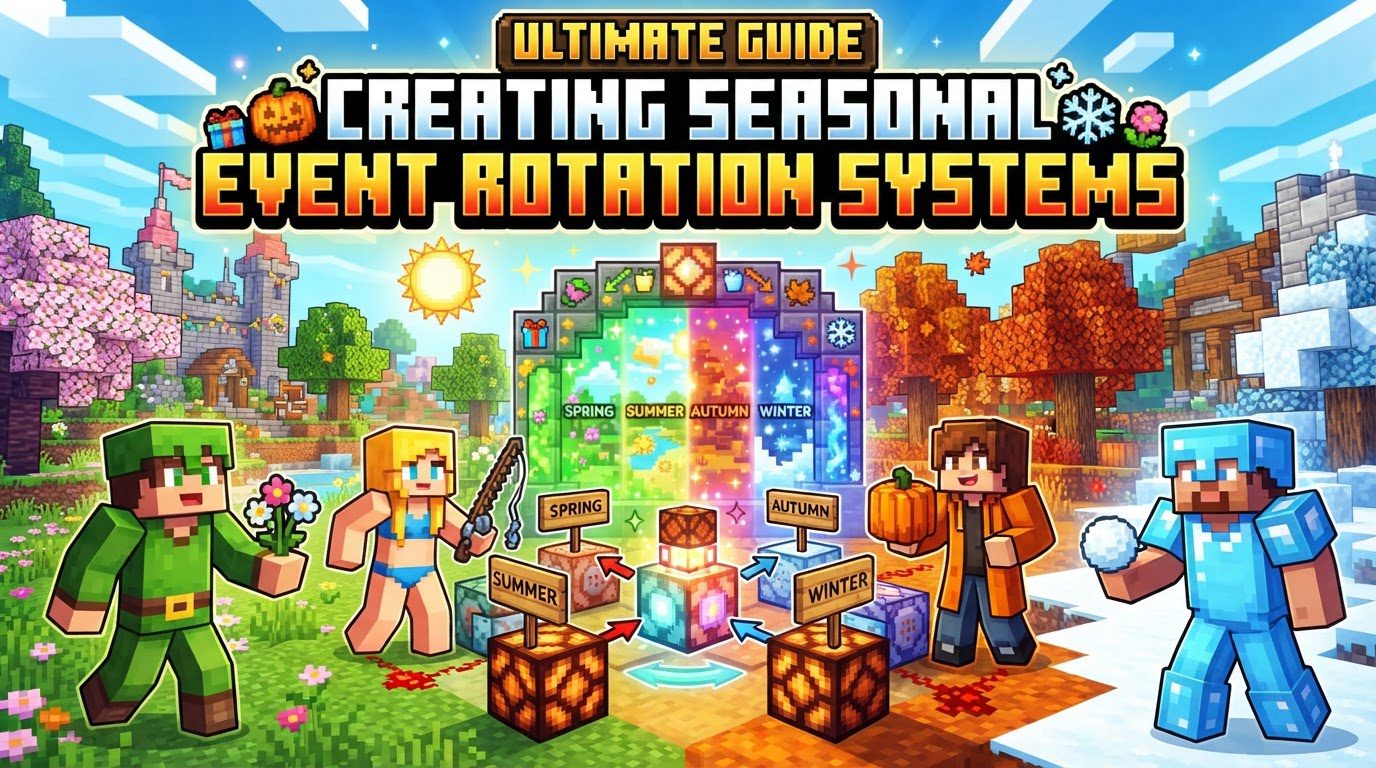
Creating Seasonal Event Rotation Systems
Many server administrators and mod developers often underestimate the delicate balance required when implementing seasonal event rotation systems in Minecraft. Vanilla Minecraft, by design, lacks native seasonal mechanics, meaning dynamic environmental and gameplay shifts based on an in-game calendar require external intervention. These systems, however, unlock a vast potential for enriching gameplay, fostering community, and providing continuous fresh experiences for players.
The Foundation: Why Mods and Plugins Are Essential
At its core, establishing a seasonal system in Minecraft is fundamentally reliant on external tools. Because the base game doesn’t natively support seasonal changes, developers must turn to either client-side mods or server-side plugins. Popular examples include mods like “Serene Seasons” or “Season System,” which directly integrate into the game’s code, or custom server plugins developed for platforms like Spigot or Paper. These tools provide the necessary framework to introduce an in-game calendar, track time, and trigger a cascade of changes across the game world.
Transforming the World: Environmental and Gameplay Impact
Once implemented, seasonal systems can profoundly alter the Minecraft experience, touching upon various aspects from visual aesthetics to core gameplay mechanics:
- Environmental Dynamics: Seasons introduce changes affecting elements such as temperature, leading to new challenges like cold damage in winter. Weather patterns become dynamic, with heavy rain characterizing wet seasons or blizzards dominating winter landscapes.
- Aesthetic Shifts: The world itself transforms. Autumn might bring vibrant leaf colors, while spring ushers in blossoms and lush greenery. These visual changes contribute significantly to immersion and the feeling of a living, evolving world.
- Crop Growth and Farming: Farming, a cornerstone of Minecraft survival, is directly influenced. Seasonal mechanics can dictate crop growth rates, necessitating adapted farming strategies. Players might need to consider crop rotation or utilize specialized blocks like Greenhouse Glass to bypass seasonal restrictions for optimal yields.
- Biomatic Variation: Seasons don’t have to be uniform. Systems can implement variations across different biomes, such as distinct wet and dry seasons in tropical areas, offering a more nuanced and realistic global climate simulation.
- Player Interaction and Challenges: Beyond visual changes, seasons introduce new challenges and opportunities. Players might face harsher survival conditions in winter or be encouraged to participate in unique seasonal events, such as scavenger hunts in spring, fostering engagement and providing fresh objectives.
Crafting the Calendar: A Step-by-Step Implementation Guide
Developing a robust seasonal event system requires careful planning and execution. Here’s a general process:
- Define Event Scope: Begin by clearly outlining what aspects of the game will be affected by your seasonal system. Will it impact weather, foliage, mob behavior, or introduce specific gameplay challenges? A clear scope prevents feature creep and ensures focus.
- Choose Implementation Method: This is a critical decision.
- Mod Development (Fabric/Forge): For deep integration, creating a mod allows direct hooks into Minecraft’s code. This involves defining event callback interfaces and triggering events from Mixins, providing extensive control over game mechanics.
- Plugin Development (Spigot/Paper): For server owners, developing a server plugin is often more accessible. Plugins use custom events, allowing other developers to interact with and extend your seasonal system.
- Implement Time Tracking: Establish a reliable system to track the in-game calendar. This includes defining periods for days, seasons, and years, which will serve as the backbone for triggering all seasonal changes.
- Configure Seasonal Effects:
- Visual Changes: Utilize tools like WorldEdit for rotating map changes or prepare preloaded builds to swap out seasonal aesthetic elements. This can involve changing block textures, adding seasonal decorations, or even entire landscape transformations.
- Gameplay Mechanics: Programmatically adjust parameters such as crop growth behavior, weather chances, temperature effects, and mob spawn rates based on the current season.
- Create Event Triggers: Develop the logic to programmatically trigger specific events or commands. These triggers activate when a new season begins or when certain seasonal conditions are met, ensuring dynamic responses within the game world.
- Develop User Interface (Optional): Enhance player experience with an in-game UI. A “Season Journal” or “Almanac” can display vital information like the current season, day, temperature, forecast, and upcoming event details.
- Test and Refine: Thorough testing is paramount. Ensure the seasonal system is balanced, performs well without lag, and delivers the desired gameplay experience without unintended side effects.
Best Practices for Engaging Seasonal Systems
To ensure your seasonal system truly enriches the player experience, consider these tips:
- Prioritize Engagement: Design events and changes that actively foster community building and player interaction. Seasonal quests, themed competitions, or collaborative building projects can be highly effective.
- Strategic Content Reuse: Plan seasonal content with reusability in mind. Efficiently refresh and adapt existing content to avoid developer burnout while maintaining player engagement across multiple seasonal cycles.
- Balance Gameplay: Ensure that seasonal challenges are appropriately balanced. They should provide both fun and intensity without becoming tedious or overly difficult. An excessively long or dreary winter, for instance, can quickly diminish enjoyment.
- Configurability: Make many aspects of your system configurable. Allowing server owners to adjust season length, weather chances, or crop behavior ensures the system can be tailored to various server types and player preferences.
- API Support: If developing a mod or plugin, include robust API support. This enables other external modifications to interact seamlessly with your seasonal system, fostering a richer, more integrated ecosystem.
Navigating the Pitfalls: Common Mistakes to Avoid
Even with the best intentions, certain missteps can hinder the success of your seasonal system:
- Lack of Balance in Seasonal Effects: One of the most common pitfalls is making certain seasons overly harsh or prolonged. An excessively long and dreary winter, or a summer with unfun “overheat” mechanics, can significantly detract from player enjoyment.
- Over-complication: Creating systems that are too complex to manage or maintain can quickly lead to developer and staff burnout. Simplicity and modularity can be virtues in long-term development.
- Ignoring Player Experience: Failing to consider how seasonal changes will affect the average player’s enjoyment and flow of gameplay is a critical oversight. Always put the player first in design decisions.
- Poor Integration: When using multiple mods or plugins, failing to ensure proper compatibility can lead to conflicts, bugs, and an unstable game environment. Thorough testing of interactions is crucial.
- Neglecting Community Input: Not gathering feedback from players on what they enjoy or dislike about seasonal events means missing out on valuable insights. Community input is vital for iterative improvement and maintaining player satisfaction.
Implementing seasonal event rotation systems can transform a static Minecraft world into a dynamic, ever-evolving experience. By leveraging the right tools and adhering to thoughtful design principles, developers can create engaging, balanced, and memorable seasonal adventures for their communities.
Tags:
YOU MAY ALSO LIKE...