Creating Member Tier Systems for SMPs
Implementing a robust member tier system is fundamental for any thriving Minecraft Survival Multiplayer (SMP) server looking to offer structured progression and unique experiences to its community. This system, primarily facilitated by server plugins, allows administrators to categorize players, assign distinct privileges, and create a clear path for advancement, significantly enhancing engagement and retention.

Core Components of a Member Tier System
A well-designed member tier system relies on several interconnected mechanics that work in concert to define player roles and interactions:
- Plugin-Based Management: The bedrock of any effective tier system is its reliance on dedicated server plugins. These powerful tools, such as PowerRanks, LuckPerms, Rankify, and CustomRanks, provide the framework for creating, managing, and assigning ranks efficiently. LuckPerms is a particularly popular and robust choice, but all offer the essential functionality needed to bring a tier system to life.
- Customizable Ranks: Server administrators are empowered to create an unlimited number of ranks. This flexibility allows for diverse classifications that extend far beyond simple “Member,” “Moderator,” or “Admin” roles. You can design tiers like “Builder,” “Explorer,” “VIP,” “Pro,” or “Legend,” each tailored to specific player types or achievements within your community.
- Permission Control: At the heart of any tier system lies robust permission control. Each rank is meticulously assigned specific permissions, acting as a digital gatekeeper that dictates precisely what players can and cannot do on your server. This granular control extends to a wide array of actions, from the ability to execute certain commands to building within designated areas, or even accessing exclusive in-game features. Properly configured permissions ensure server integrity and provide a structured environment for all players.
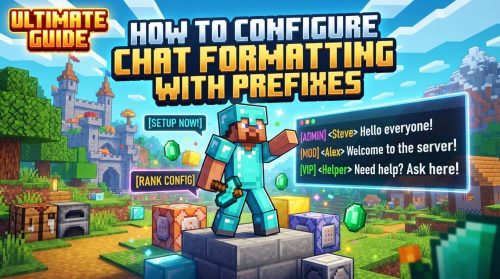
- Visual Distinction: Ranks are not just about permissions; they’re also about identity. Players’ statuses are made evident through visual representations like custom chat prefixes (e.g., [VIP] PlayerName), suffixes, and distinct chat or name colors. This aesthetic customization makes the tier system impactful and allows players to proudly display their achievements or roles.
- Progression Systems: Many advanced tier systems incorporate progression mechanics, allowing players to advance to higher tiers. This progression can be tied to achieving specific in-game milestones, such as breaking a certain number of blocks, planting crops, or even demonstrating prowess in PvP combat. Such systems foster a sense of accomplishment and provide long-term goals for players.
- Tier-Specific Benefits: Higher tiers are typically accompanied by a range of unique advantages. These can include increased maximum health, special potion effects that provide continuous buffs, access to exclusive commands (like /fly in certain areas), or entry into protected zones and special server areas. These benefits serve as compelling incentives for players to engage and progress.
A Step-by-Step Guide to Implementation
Building your member tier system is a systematic process that begins with foundational server choices and progresses to detailed configuration:
- Choosing Your Server Foundation: Your first step is to select appropriate server software. Options like Paper or Spigot are highly recommended as they provide robust support for the extensive plugin ecosystem necessary for a comprehensive tier system. These platforms are optimized for performance and compatibility with a wide range of plugins.
- Selecting a Permissions Manager: Once your server software is in place, you’ll need to install a reliable permissions management plugin. While PowerRanks, Rankify, and CustomRanks are viable, LuckPerms stands out as a widely recommended choice due to its powerful features, intuitive interface, and active community support.
- Deploying the Plugin: Download the chosen plugin’s
.jarfile from its official source. Upload this file directly into your server’spluginsfolder. After the file is in place, restart your server to fully activate the plugin and generate its initial configuration files. - Crafting Your Ranks: With the plugin active, begin defining your desired member tiers. Think about the progression you want to offer. Common examples include “Member” (the default), “VIP,” “Pro,” “Veteran,” or “Moderator.” Name them clearly and consider the journey a player might take through them.
- Personalizing Rank Aesthetics: Configure the unique visual attributes for each tier. This involves assigning distinct chat prefixes (e.g., &a[VIP]&f), suffixes, and specific chat or name colors. These visual cues are crucial for making ranks feel impactful and easily recognizable within the game.
- Defining Abilities and Restrictions: This is a critical step. Grant specific permissions to each rank, controlling precisely what actions players belonging to that tier can perform. Permissions are typically managed either through in-game commands provided by your chosen plugin or by directly editing the plugin’s configuration files.
- Onboarding Players: Decide how players will be assigned to ranks. You can manually assign players to their respective tiers as needed. Alternatively, configure the plugin to automatically assign a default rank, such as “Member,” to any new player upon their very first join to the server.
- Activating Changes: After making any modifications to ranks or permissions, it’s essential to apply these changes. Most plugins offer a reload command (e.g.,
/rank reloadfor CustomRanks or/lp reloadfor LuckPerms) that allows you to implement updates without requiring a full server restart, minimizing downtime.
Optimizing Your Tier System: Best Practices
To ensure your member tier system is both effective and sustainable, consider these best practices:
- Embrace Plugin Power: Always utilize dedicated plugins for managing ranks and permissions. They streamline the process, offer advanced features, and are far more efficient than manual workarounds.
- Prioritize Simplicity Initially: When first setting up, start with a straightforward tier structure. You can gradually expand and add more complex tiers as your server community grows and its needs evolve.
- Design Compelling Incentives: Each tier should offer clear and attractive benefits. These incentives are key to encouraging player engagement, fostering a sense of progression, and motivating players to invest more time in your SMP.
- Ensure Fair Play and Balance: Carefully balance permissions and rewards across all tiers. An unbalanced system, where lower tiers have too much power or higher tiers lack sufficient rewards, can lead to player dissatisfaction and an unfair game experience.
- Stay Current with Updates: Regularly update all your plugins. Updates often include performance improvements, crucial bug fixes, and vital security enhancements that keep your server stable and secure.
- Utilize Official Documentation: Always refer to the chosen plugin’s official documentation. It’s the most comprehensive source for instructions, advanced customization options, and troubleshooting advice.
- Rigorous Testing is Key: After configuring any rank or permission, thoroughly test all features to confirm they function precisely as intended. This prevents unexpected issues and ensures a smooth player experience.
- Automate Progression Paths: Integrate systems that allow players to automatically earn higher ranks by achieving specific in-game goals. This proactive approach can significantly boost player retention and provide long-term objectives.
Avoiding Common Missteps in Tier System Design
Even experienced server owners can fall into common traps when designing and implementing member tier systems:
- Overly Complex Structures: Designing an intricate tier system with too many ranks or an overly complicated set of permissions can quickly become difficult to manage, leading to confusion for both administrators and players.
- Disproportionate Privileges: Granting excessive power or benefits to lower tiers, or conversely, providing insufficient rewards to higher tiers, can create an unbalanced and unfair game environment, leading to player dissatisfaction.
- Overlooking Visual Appeal: Failing to customize chat prefixes, suffixes, and name tags makes the tier system less impactful. Visual distinctions are crucial for players to recognize and appreciate their status.
- Vague Progression Goals: If your tiers are designed for player progression, an absence of well-defined goals or meaningful rewards for advancing can demotivate players and reduce the system’s effectiveness.
- Security Vulnerability Risks: Improperly configured permissions pose significant security risks. They can inadvertently allow regular players unauthorized access to commands or areas, potentially leading to griefing or server instability.
- Operating Outdated Software: Running your server with outdated plugins can introduce a host of problems, including performance issues, compatibility conflicts with other plugins, and critical security vulnerabilities that could compromise your server.
A well-implemented member tier system is more than just a set of rules; it’s a dynamic framework that adds depth, structure, and a sense of accomplishment to your Minecraft SMP. By carefully planning, utilizing robust plugins, and adhering to best practices, you can create a vibrant and engaging community where every player feels valued and has a clear path for progression.
Tags:
YOU MAY ALSO LIKE...