

Is There Copper in Minecraft
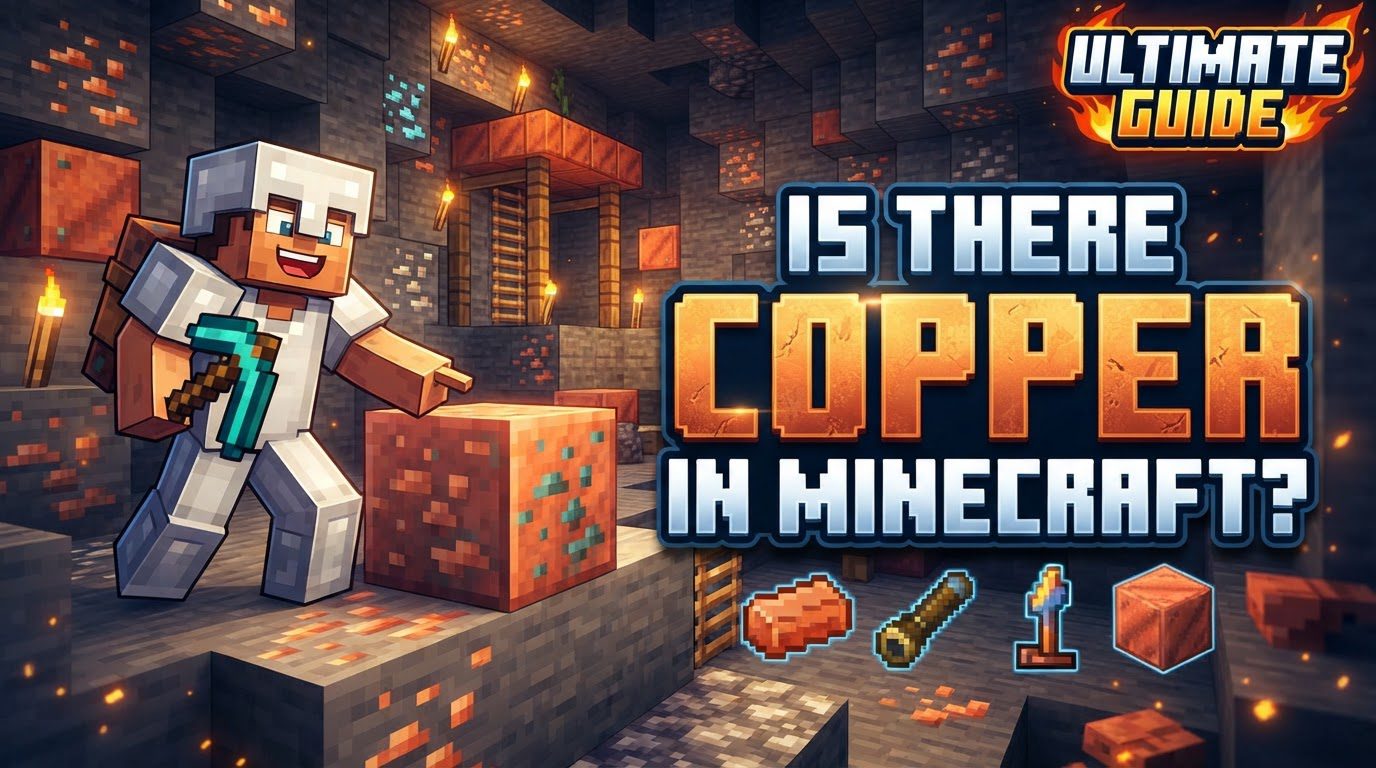
Yes, copper is not only present in Minecraft but has also become a surprisingly versatile and aesthetically pleasing resource since its introduction in the 1.17 “Caves & Cliffs: Part I” update. This addition significantly expanded building possibilities and introduced unique gameplay mechanics centered around its natural properties. Far from a mere aesthetic block, copper brings both utility and a dynamic visual element to the game.
Locating the Lode: Where Copper Generates
For prospectors eager to add this distinctive metal to their inventory, understanding copper’s generation patterns is key. Copper ore can be found throughout the Minecraft Overworld, making it a relatively accessible resource. It generates most commonly between Y-levels 0 and 96, with a particularly high concentration observed around Y-levels 47 and 48. This means players exploring deep caves, ravines, or even mountainous regions at appropriate altitudes are likely to stumble upon it.
Unlike some rarer ores, copper is not biome-specific in its generation; it can appear in almost all Overworld biomes. Furthermore, it frequently generates in large veins, meaning that once you find a deposit, you’re often rewarded with a substantial amount of raw copper, making it ideal for gathering in bulk for ambitious projects.
The Right Tools for the Job: Mining Copper Ore
Acquiring raw copper isn’t overly complex, but it does require the correct equipment. To successfully mine copper ore and receive its valuable drops, players must use at least a stone pickaxe. Any pickaxe of a higher tier (iron, diamond, netherite) will also work efficiently. Attempting to mine copper with lower-tier pickaxes, such as those made of wood or gold, will result in the block breaking without dropping any raw copper, effectively wasting your effort.
Upon successful mining, each copper ore block will yield 2-3 pieces of raw copper. For those looking to maximize their haul, enchanting a pickaxe with the Fortune enchantment is highly recommended. Fortune III, for instance, can significantly increase the amount of raw copper dropped from each block, accelerating your collection process considerably.
From Earth to Ingot: Processing Raw Copper
Once you’ve gathered a healthy supply of raw copper, the next step is to refine it into a more usable form: copper ingots. Raw copper itself cannot be directly used in most crafting recipes. The transformation process is straightforward and familiar to anyone who has smelted other ores in Minecraft:
- Smelting: Place your raw copper into a furnace or a blast furnace.
- Fuel: Add a fuel source (such as coal, charcoal, or lava buckets) to the furnace.
- Output: After a short smelting time, each piece of raw copper will be converted into one copper ingot. Blast furnaces offer a faster smelting speed, making them ideal for processing large quantities.
These copper ingots are the primary building blocks for all subsequent copper-based items and blocks in the game.
The Art of Aging: Copper’s Oxidation Process
One of copper’s most distinctive and celebrated features in Minecraft is its dynamic oxidation process. Unlike other metals, copper blocks react with the in-game environment over time, gradually changing their appearance. This natural weathering adds a layer of realism and aesthetic versatility for builders. The oxidation occurs in four distinct stages:
- Copper Block: The initial, bright orange-brown color when first placed.
- Exposed Copper: A slightly dulled, darker orange-brown with hints of green.
- Weathered Copper: A noticeably greener shade, indicating further oxidation.
- Oxidized Copper: The final stage, characterized by a distinct greenish-blue patina, resembling aged real-world copper.
This process is gradual and occurs naturally when copper blocks are exposed to the elements. However, players have full control over this transformation. By applying a honeycomb to any stage of copper (using a right-click or equivalent action), you can create “waxed” copper. Waxed copper blocks will permanently retain their current oxidation stage, preventing any further changes. This allows builders to achieve precise visual effects, whether they desire pristine orange copper, a partially weathered look, or a fully oxidized green roof without fear of it changing over time.
Crafting with Copper: Practical and Decorative Uses
Copper ingots are surprisingly versatile, serving both functional and decorative purposes. Early implementations focused heavily on architectural applications, but recent updates have expanded its utility significantly.
- Building Blocks: Copper ingots can be crafted into full copper blocks, which can then be further crafted into various cut copper blocks, stairs, and slabs. These are ideal for roofs, decorative accents, and intricate detailing due to their unique oxidation properties.
- Lightning Rods: A crucial utility item, lightning rods redirect lightning strikes to themselves, protecting nearby flammable structures from fire during thunderstorms. When struck, they also emit a Redstone signal, opening up possibilities for unique Redstone contraptions.
- Spyglasses: Copper is a primary component in crafting spyglasses, allowing players to zoom in on distant objects, perfect for exploration or surveillance.
- Expanded Uses (1.21+): More recent updates have broadened copper’s role, introducing copper armor, tools, and even animated copper golems and copper chests. While copper tools and armor might not always outperform iron or diamond in raw stats, their unique aesthetic or specific functionalities (like the golem’s ability to attract lightning) make them valuable additions.
Strategic Gathering and Deployment: Expert Tips for Copper
To make the most of copper in your Minecraft world, consider these expert strategies:
- Abundant Resource, Easy Bulk: Copper is one of the more common ores, often found in large veins. Don’t hesitate to gather it in significant quantities. It’s an excellent resource for large-scale building projects, especially for roofing or intricate wall patterns.
- Maximize Your Yield with Fortune: Always prioritize using a pickaxe enchanted with Fortune when mining copper ore. This will drastically increase the raw copper you collect, saving you mining time and effort.
- Aesthetic Control is Key: Plan your builds with copper’s oxidation in mind. If you want a specific look (e.g., bright orange walls or a fully green roof), gather honeycomb and wax your copper blocks at the desired stage. Experiment with different stages to add depth and realism to your structures.
- Practical Lightning Protection: Place lightning rods strategically on top of your wooden or otherwise flammable builds. This simple measure can save your creations from accidental destruction during thunderstorms, turning a destructive force into a minor inconvenience.
- Stockpile Early for Large Projects: If you envision a grand copper-roofed mansion or a complex Redstone build utilizing lightning rods, begin collecting copper early in your survival world. Its abundance makes early stockpiling feasible, ensuring you have enough when inspiration strikes.
Common Mistakes to Avoid with Copper
Even experienced players can sometimes overlook certain aspects of copper. Being aware of these common pitfalls can save you frustration:
- Using the Wrong Pickaxe: This is a frequent error. Remember, only a stone pickaxe or better will yield raw copper. Wooden or gold pickaxes will break the ore but drop nothing.
- Expecting Ore Blocks: Unless you are using a pickaxe enchanted with Silk Touch, mining copper ore will always drop raw copper, not the ore block itself. If you want the decorative ore block, Silk Touch is essential.
- Forgetting About Oxidation Control: If you place copper blocks for a specific aesthetic and neglect to wax them, they will inevitably change color over time. This can ruin a carefully planned build if not accounted for. Always have honeycomb ready if you want to freeze a specific oxidation stage.
- Underestimating Newer Uses: While some players might initially dismiss copper tools and armor as inferior to iron, it’s worth exploring their specific contexts. The copper golem, for instance, offers unique interactions with lightning, and copper chests can have distinct properties. Don’t let perceived ‘uselessness’ prevent you from experimenting.
In conclusion, copper is a fantastic addition to Minecraft, offering unique aesthetic possibilities through its oxidation and practical utility with items like the lightning rod and spyglass. Its relative abundance and ease of processing make it an accessible resource for players at all stages of their Minecraft journey. Embrace its dynamic nature, and you’ll find copper to be an invaluable asset in your creative and survival endeavors.
Tags:
YOU MAY ALSO LIKE...


