

Minecraft Biome List
A common mistake many new Minecraft players make isn’t misjudging a Creeper’s blast radius, but rather underestimating the profound impact of their initial biome choice. These distinct environmental regions are far more than just aesthetic backdrops; they are fundamental to every aspect of survival, resource gathering, and long-term planning within the game’s blocky universe. Each biome presents unique characteristics and challenges that directly influence a player’s journey from their very first punch of wood.
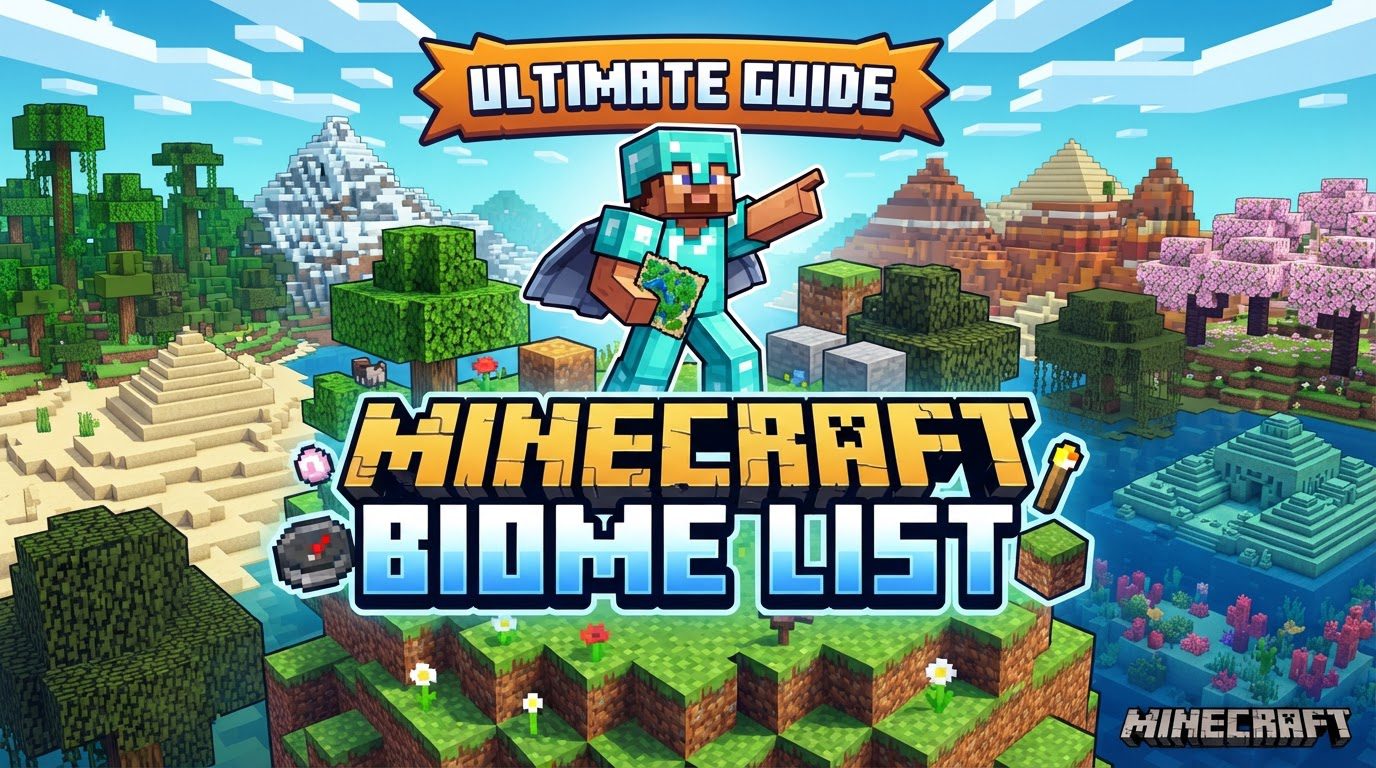
The Core of World Generation: How Biomes Shape Your Game
Minecraft’s world is a tapestry woven from diverse biomes, each meticulously designed to offer a unique slice of gameplay. Understanding the underlying mechanics of how these biomes function is crucial for any player looking to master their environment.
- Dynamic World Generation: Every new Minecraft world is a unique creation, primarily due to how biomes are generated. Their distribution and appearance are entirely random, dictated by the world seed. This means that starting a new game always presents a fresh geographical puzzle, requiring players to adapt their strategies to the specific biomes they encounter.
- Unique Environmental Properties: Beyond mere aesthetics, each biome possesses a distinct set of properties. These include specific weather patterns, such as frequent rain in plains or snow in taigas, and unique structures, like villages in plains or igloos in snowy tundras. These properties dictate the immediate environment and potential discoveries within a given area.
- Influence on Resources: Biomes are the primary determinant of available resources. The types of trees, plants, and even certain minerals are intrinsically linked to the biome. For instance, oak trees dominate forests, while jungle wood is exclusive to its namesake. Identifying resource-rich biomes is a key skill for efficient progression.
- Mob Spawning Dynamics: The biome you inhabit directly influences the types of mobs you’ll encounter. Certain creatures are exclusive to specific biomes, while others are simply more prevalent. For example, slimes are common in swamps, while polar bears roam snowy biomes. Hostile mobs, regardless of biome, typically spawn in areas with a light level of 0, on solid blocks, and within a 24 to 128 block radius of a player, but never within 24 blocks of the player.
- Profound Survival Impact: The biome a player spawns in, or chooses to settle in, significantly impacts their early survival speed and overall game efficiency. The availability of food, wood, and shelter materials can either accelerate or hinder initial progress. Furthermore, biome choice is critical for the efficiency of various farms and the strategic planning of a long-term base.
Mastering Biome Interaction: A Strategic Approach
Interacting with Minecraft’s diverse biomes isn’t a linear process; rather, it demands a strategic mindset. Players must constantly assess their surroundings and adapt their plans to leverage the advantages and mitigate the challenges each biome presents.
- Assessing Biome Characteristics: Before fully committing to exploring or settling in a new biome, it’s vital to understand its specific characteristics. This involves identifying the unique resources it offers, the types of mobs that inhabit it, and any environmental challenges, such as difficult terrain or extreme weather.
- Preparing for the Unknown: A universal exploration kit is indispensable for navigating the varied landscapes of Minecraft. This kit should always include essential tools like a pickaxe, axe, and shovel for resource gathering, a sword, bow, arrows, shield, and armor for combat, and survival items such as food, torches, a water bucket, and a bed. Building blocks are also crucial for temporary shelters or bridging gaps.
- Defining Your Purpose: Every exploration should have a clear goal. Whether you’re seeking specific resources for early survival, scouting locations for efficient farms, planning optimal travel routes, or designing a long-term base, your current objective should dictate your exploration route and the biomes you prioritize.
- Active Exploration and Location Scouting: Proactive exploration is key to success. Actively venture into different biomes to discover ideal building spots, locate rare and valuable resources, or find specific mob types needed for particular farms or advancements. The more you explore, the more opportunities you’ll uncover.
Essential Wisdom: Tips for Navigating Biome Diversity
Successfully traversing and utilizing Minecraft’s biomes requires more than just basic knowledge; it demands practical application and foresight. Here are some key tips to enhance your biome interactions.
- Deepening Your Biome Knowledge: Familiarity with each biome’s specifics is a powerful asset. Knowing what resources to expect, which mobs to prepare for, and how to navigate the terrain will allow you to move more effectively and gather resources with greater efficiency.
- The Indispensable Exploration Kit: Never venture far from your base without a robust core set of items. This universal exploration kit, comprising essential tools, armor, ample food, and a generous supply of torches, ensures you are prepared for general survival and resource gathering in any biome you encounter.
- The Art of Base Placement: Choosing a base location is one of the most critical decisions in Minecraft. Prioritize practicality and easy access to diverse resources over mere aesthetics. A strategically located base minimizes early-game grind by reducing travel time to essential materials and different biome types.
- Conquering Aquatic Environments: Ocean biomes present unique challenges. Always prepare for underwater exploration by having ways to create air pockets (like doors or signs), using appropriate armor (like Respiration-enchanted helmets), or simply utilizing a boat for surface travel to avoid the risk of drowning.
Pitfalls to Avoid: Common Biome-Related Mistakes
Even seasoned players can fall prey to common errors when interacting with Minecraft’s diverse environments. Recognizing and avoiding these mistakes can save hours of frustration and safeguard valuable progress.
- Underestimating Environmental Hazards: Many beginners, and even experienced players, often underestimate the inherent dangers of certain biomes. Oceans pose significant drowning risks, while swamps are treacherous with hostile slimes, witches, and difficult, boggy navigation. The Nether’s basalt deltas present uneven terrain and numerous lava pockets, demanding extreme caution. Even seemingly benign deserts and badlands can be challenging due to scarce resources and difficult, often exposed, terrain.
- Suboptimal Base Choices: Establishing a permanent base in an unsuitable biome can severely hinder progress and safety. Swamps, for instance, are notorious for constant slime spawns, making them less than ideal for a peaceful home. Extreme mountains, while visually appealing, offer difficult terrain for construction and often have few trees, requiring extensive travel for basic wood. Choosing a beautiful but logistically poor location often leads to extensive commuting for essential materials, wasting valuable playtime.
- The Peril of Unpreparedness: Venturing into challenging biomes without the necessary equipment is a recipe for disaster. Lack of appropriate tools, insufficient food supplies, or ignorance of local hazards can quickly lead to death and loss of items. Always research or observe a biome before diving deep into its core.
- The Lost Explorer’s Dilemma: Exploring unfamiliar territories without proper navigation tools or strategies is a common pitfall. Without a compass, map, or clear landmarks, players can easily become disoriented, leading to significant frustration and the potential loss of valuable items upon an untimely demise far from home. Always mark your path or carry reliable navigation aids.
By understanding the mechanics, adopting strategic approaches, heeding practical tips, and learning from common mistakes, any Minecraft player can transform their biome interactions from mere survival into a rich and rewarding exploration of the game’s infinitely varied world.
Tags:
YOU MAY ALSO LIKE...


