

Minecraft Farm Ideas Animals
Underestimating the strategic value of a well-designed animal farm is a common oversight for many Minecraft players. While the immediate thrill of mining diamonds or exploring new biomes often takes precedence, establishing a robust animal husbandry system is a cornerstone of long-term survival and resource generation. From a steady supply of food to essential crafting materials like wool and leather, animal farms provide an invaluable, renewable stream of resources that will sustain your adventures.
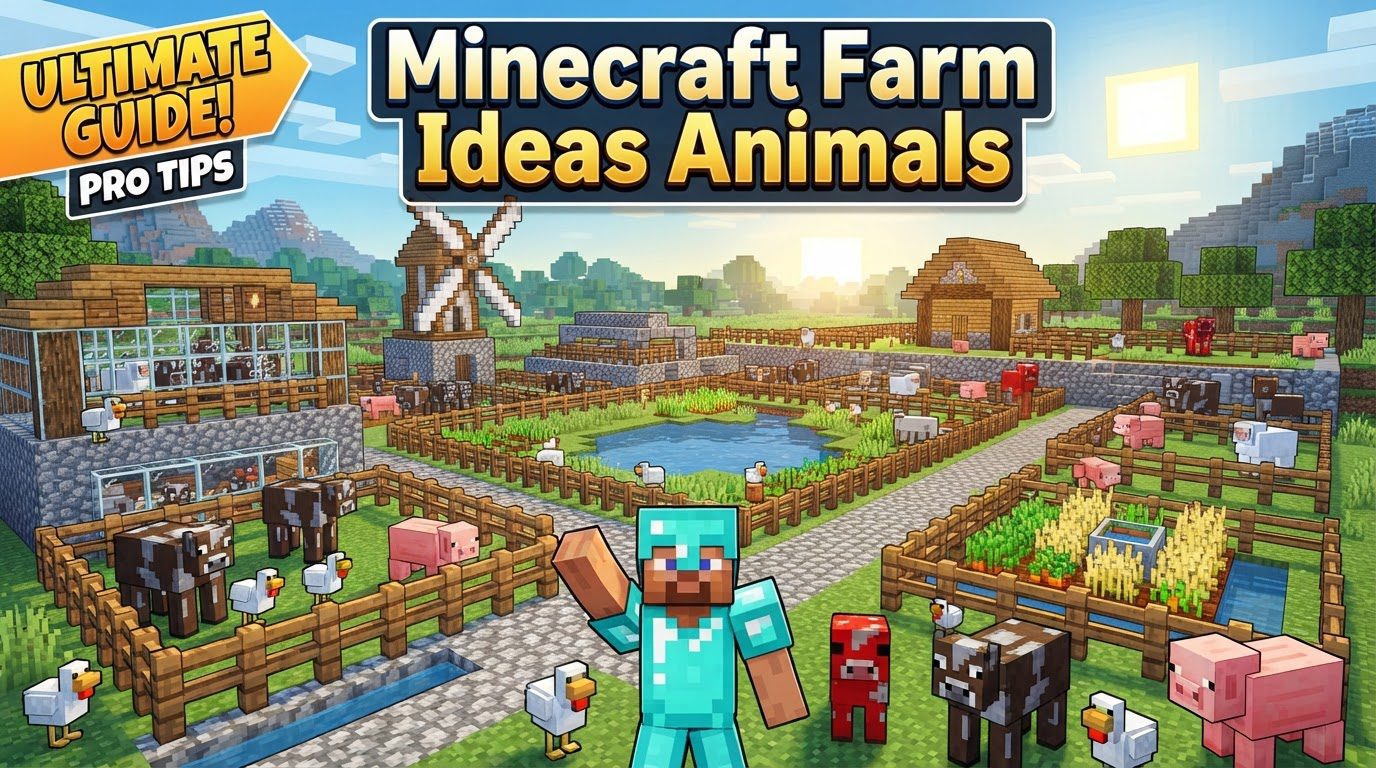
Creating efficient and productive animal farms in Minecraft is a rewarding endeavor that significantly enhances your gameplay. This guide will walk you through the core mechanics, step-by-step construction, and expert tips for building thriving animal farms, ensuring you avoid common pitfalls along the way.
Understanding Animal Farm Mechanics
At the heart of any successful animal farm lies a clear understanding of how these creatures interact with their environment and with you. Mastering these fundamental mechanics will allow you to breed, manage, and harvest resources effectively.
- The Art of Breeding: Expanding Your Livestock
The primary method for growing your animal population is breeding. To initiate breeding, you must feed two adult animals of the same type their specific food item. Once fed, hearts will appear above them, and a baby animal will spawn. After breeding, adult animals enter a five-minute cooldown period before they can breed again. Baby animals take approximately 20 minutes to mature into adults, but this growth time can be significantly reduced by feeding them additional food items.
- Chicken: These feathered friends will breed with wheat seeds, pumpkin seeds, melon seeds, beetroot seeds, torchflower seeds, and pitcher pods.
- Cows & Sheep: Both cows and sheep are content to breed with wheat.
- Pigs: Pigs have a varied diet for breeding, accepting carrots, potatoes, and beetroot.
- Rabbits: Dandelions, carrots, and golden carrots are the preferred breeding foods for rabbits.
- Goats: Goats, much like cows and sheep, will breed when fed wheat.
- Essential Enclosures: Maintaining Order
To prevent chaos and simplify management, each animal species should ideally reside in its own separate pen. These enclosures prevent animals from wandering off, keep different species from intermingling, and make it easier to locate and interact with specific animals when you need to breed or harvest resources. Ensure your enclosures are large enough to accommodate not just your starting animals, but also the growth in numbers from breeding.
- The Growth Cycle: From Baby to Adult
Once a baby animal is born, it will automatically mature into an adult over time. This natural growth cycle is crucial for the continuous generation of resources and for ensuring a steady supply of breeding stock. While feeding can accelerate this process, patience is also a virtue in animal farming.
Building Your Animal Farm: A Step-by-Step Guide
With the core mechanics understood, let’s outline a practical approach to constructing your animal farms.
- Gather Your Livestock: The Initial Acquisition
The first step is to acquire your initial breeding pairs. You can lure wild animals into their designated pens by holding their preferred food item in your hand. They will follow you as long as you remain within a certain range. Carefully lead them into your prepared enclosures.
- Constructing Secure Habitats: Pens and Fencing
Build separate, adequately sized enclosures for each animal type. Fences are the most common and effective material for this, combined with gates for player access. Ensure the pens are spacious enough to allow for future expansion as your animal numbers grow. Consider the natural tendencies of each animal when designing; for instance, chickens need less space than cows.
- Providing for Their Needs: Comfort and Security
Within each enclosure, establish feeding areas where you can easily distribute their respective breeding foods. While animals don’t strictly require water blocks, including them can add to the aesthetic. Crucially, ensure proper lighting within and around your farm using torches, lanterns, or glowstone. This prevents hostile mobs from spawning inside your pens and threatening your valuable livestock.
- Breeding for Prosperity: Expanding Your Farm
Once your animals are securely housed, begin the breeding process. Feed two adult animals of the same species their specific food item to produce offspring. Continue this process systematically to gradually expand your farm and increase your resource output. Remember the five-minute cooldown before adults can breed again.
Maximizing Your Farm’s Potential: Expert Tips
Beyond the basic steps, these tips will help you create a farm that is not only functional but also efficient, secure, and visually appealing.
- Strategic Location Selection: Proximity and Terrain
Build your farm close to your main base for easy and frequent access. This minimizes travel time for feeding, breeding, and resource collection. Additionally, select a flat piece of land for construction. This significantly reduces the need for extensive terraforming, making the building process smoother and more efficient.
- Safety and Illumination: Preventing Hostile Spawns
Always keep your farm well-lit, both inside the pens and in the surrounding areas. Light levels of 7 or higher prevent most hostile mobs from spawning, safeguarding your animals from potential attacks. Secure enclosures also prevent animals from escaping.
- Organizational Prowess: Separate Species, Separate Pens
Reinforce the importance of separate enclosures for each species. This organization prevents intermingling, makes targeted breeding easier, and simplifies the process of harvesting specific resources (e.g., shearing sheep for wool without accidentally hitting a cow).
- Aesthetic Appeal: Building with Style
While functionality is key, don’t neglect the visual aspect of your farm. Incorporating a cohesive style, such as a classic barn look or a rustic village theme, can make your farm a more enjoyable and integrated part of your base. Thoughtful design enhances the overall gameplay experience.
- Gradual Expansion: Avoiding Overwhelm
Begin with a manageable number of animals for each species and expand gradually. Starting small allows you to learn the ropes, manage resources effectively, and avoid burnout. As you become more comfortable, you can slowly increase your animal populations and farm size.
- Efficient Accessibility: Navigating Your Farm
Utilize carpets and slabs for easy access within and around your pens. Placing carpets on top of fences allows players to walk over them while still containing the animals. Slabs can be used for pathways or partial blocks to enhance movement without allowing animals to escape.
Pitfalls to Avoid: Common Farming Mistakes
Even seasoned players can fall prey to common errors that can hinder farm efficiency and enjoyment. Be aware of these to ensure your animal farms thrive.
- The Chaos of Mixed Pens: A Management Nightmare
Keeping all animal types in a single, large pen is a recipe for disaster. It leads to confusion, makes it difficult to breed specific animals, and complicates resource collection. Separate pens are crucial for order and efficiency.
- The Problem of Overcrowding: Performance and Management Issues
Allowing animal populations to grow too large within a small space can lead to several problems. Overcrowding makes the farm difficult to manage, as animals become stacked and hard to interact with. More critically, excessive entity counts can cause significant performance issues and lag, even on powerful systems.
- Poor Foundation: Uneven Terrain Challenges
Starting a farm on uneven terrain without proper leveling can create numerous design and efficiency problems. It complicates fence placement, makes pathing difficult, and can result in an aesthetically unpleasing and less functional farm. Always prioritize a flat building area.
- Ignoring Game Updates: Obsolescence and Breakage
Minecraft is an evolving game. Farm designs, especially those with automated elements, can become obsolete or even break with new game updates that change mob mechanics, block properties, or redstone functionality. Stay informed about updates and be prepared to adapt your designs.
- Lack of Vision: Planning and Style Deficiencies
Building without a clear design or style plan can result in a disorganized, haphazard, and ultimately less satisfying farm. A little planning goes a long way in creating a functional and visually appealing farm that you’ll enjoy spending time in.
By following these guidelines and tips, you’ll be well on your way to constructing efficient, productive, and aesthetically pleasing animal farms that provide a steady stream of resources for all your Minecraft adventures.
Tags:
YOU MAY ALSO LIKE...


