

Minecraft How to Grow Nether Wart
The Unconventional Growth of Nether Wart: A Comprehensive Guide
Unlike most crops in Minecraft that demand specific light levels, water, or even the accelerant touch of Bone Meal, Nether Wart thrives under entirely different rules. This peculiar plant, essential for many advanced crafting recipes, boasts a unique set of growth conditions that make it both simple to farm and prone to common misconceptions. Mastering its cultivation requires understanding these distinct mechanics, ensuring a steady supply for your endeavors.
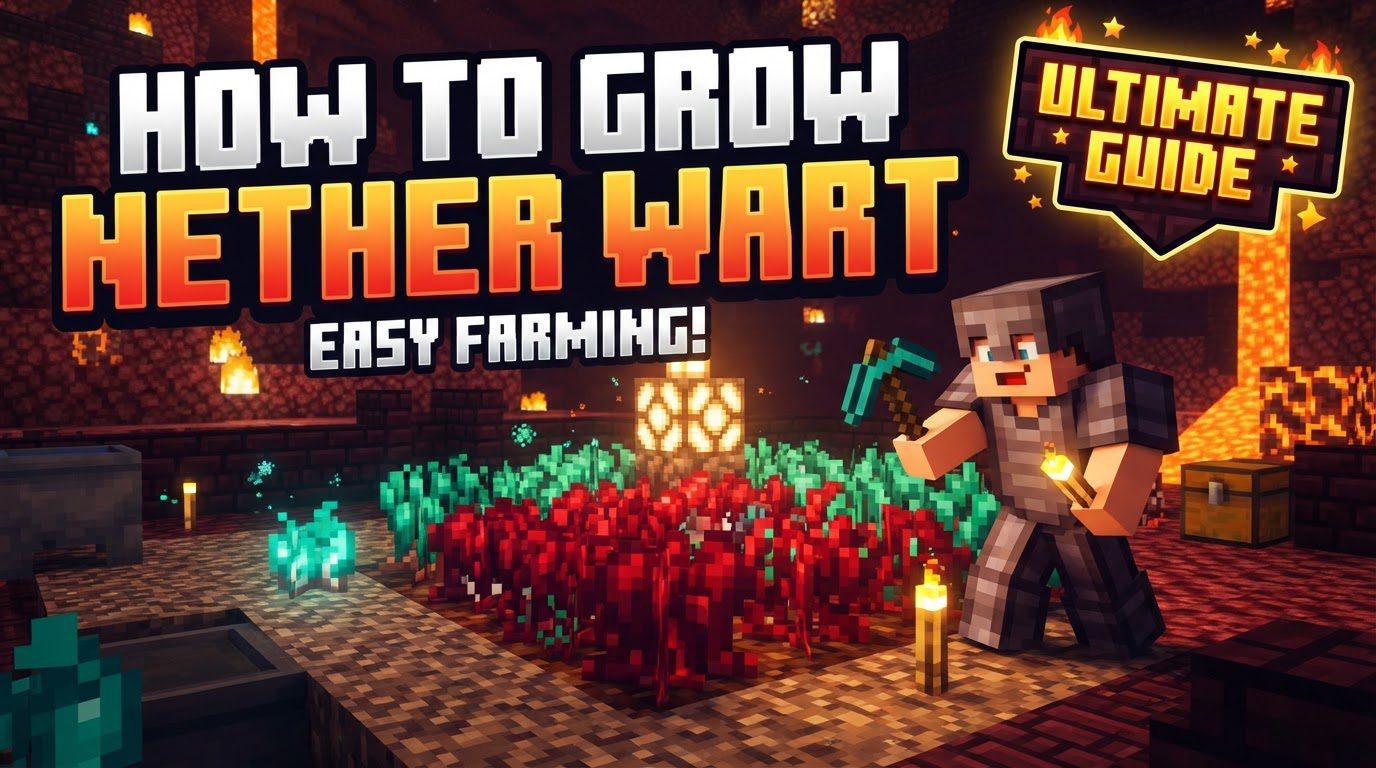
Understanding Nether Wart’s Unique Cultivation Requirements
Before you even place your first seed, it’s crucial to grasp the fundamental mechanics that govern Nether Wart’s growth. Ignoring these can lead to frustration and wasted effort.
- Soul Sand is Non-Negotiable: Nether Wart can only be planted and grown on Soul Sand. Crucially, it will not grow on Soul Soil, a common mistake for new farmers.
- Environmental Independence: Forget about torches, sunlight, or water channels. Nether Wart does not require any specific light level to grow, meaning it flourishes even in complete darkness. Similarly, water is entirely unnecessary for its growth cycle.
- Bone Meal is Useless: Attempting to speed up Nether Wart’s growth with Bone Meal will yield no results. It simply does not affect this plant.
- Growth Stages and Time: Nether Wart progresses through four distinct growth stages (0-3). Each stage typically takes an average of 11 minutes to complete, meaning a plant will reach full maturity in approximately 33 minutes.
- Chunk Loading is Key: Growth only occurs when the chunk in which the Nether Wart is planted is loaded. If you leave the area, growth will pause until the chunk is loaded again.
- Harvesting for Maximum Yield: Harvesting fully grown Nether Wart plants yields more items than harvesting them prematurely. Additionally, using a tool enchanted with Fortune will significantly increase the number of Nether Wart dropped when harvested.
Gathering Your Essential Resources
Cultivating Nether Wart begins with obtaining the plant itself and the specialized block it requires for growth. Both are found exclusively within the perilous dimensions of the Nether.
Your primary objective is to find Nether Wart. This elusive plant naturally spawns within Nether Fortresses, often found growing in dedicated garden-like areas. Occasionally, you might also find it within some Bastion Remnants. Collect as much as you can, as you’ll need a starting supply for your farm and potentially more for replanting after initial harvests.
Simultaneously, you will need to acquire Soul Sand. This distinctive block is abundant throughout the Nether, forming vast plains or found in smaller patches. Mine enough Soul Sand to create the foundation for your desired farm size. Remember, Soul Soil is a distinct block and will not work.
Establishing Your Nether Wart Farm: A Step-by-Step Guide
Once you have your Nether Wart and Soul Sand, you’re ready to construct your farm. The process is straightforward, focusing on proper placement and patience.
- Place Soul Sand: Begin by laying down your collected Soul Sand blocks in your chosen farming area. This can be in any dimension – the Nether, the Overworld, or even the End. Consider building your farm near your brewing stand or main storage for convenient access later on.
- Plant Nether Wart: With the Soul Sand in place, plant one Nether Wart item on top of each Soul Sand block. Right-click the Soul Sand with the Nether Wart in your hand to plant it.
- Wait for Maturity: Now comes the waiting game. Allow the Nether Wart to grow through its four stages. You’ll observe its appearance change as it matures. The final, mature stage is characterized by a “chunky dark-red look” or a “fuller, darker texture.” It will appear noticeably larger and more developed than its earlier stages.
- Harvest the Fully Grown Plants: Once your Nether Wart has reached its mature stage, break the plants to collect your bounty. To maximize your yield, always wait until they are fully grown.
- Replant Immediately: After harvesting, immediately replant new Nether Wart on the now-empty Soul Sand blocks to continue the farming cycle without interruption. This ensures a continuous supply.
Optimizing Your Nether Wart Yield and Farm Efficiency
While the basic process is simple, a few strategic considerations can significantly improve your farming experience.
- Synchronized Planting: To streamline harvesting and ensure a consistent yield, try to plant all your Nether Wart at once. This ensures their growth cycles start together, allowing for mass harvesting when they all reach maturity simultaneously.
- Strategic Farm Location: Build your Nether Wart farm in an area that is frequently loaded by the game. This could be near your primary base, a frequently visited portal, or even in a spawn chunk (if applicable to your server/world settings). Continuous chunk loading ensures continuous growth.
- Mob-Proofing Your Farm: Although light levels don’t affect Nether Wart growth, ensuring the farm is in a well-lit and enclosed area can prevent hostile mobs from spawning. This protects both your crops from potential damage (though mobs typically don’t destroy Nether Wart) and, more importantly, yourself from unexpected attacks while tending your farm.
- Considering Automation (with caveats): Semi-automatic farms utilizing automated collection systems (like hoppers and water streams) are possible for Nether Wart. However, it’s important to note a key limitation: planting still needs to be done manually, as villagers cannot plant Nether Wart.
Avoiding Common Pitfalls in Nether Wart Cultivation
Many new players fall prey to common mistakes when trying to grow Nether Wart. Being aware of these pitfalls will save you time and resources.
- The Soul Soil Trap: The most frequent error is attempting to plant Nether Wart on Soul Soil. Remember, it will only grow on Soul Sand. Double-check the block type before planting.
- Premature Harvesting: Harvesting Nether Wart before it reaches its fully mature stage will result in fewer drops. Always wait for the “chunky dark-red look” or “fuller, darker texture” to maximize your yield.
- The Bone Meal Delusion: Do not waste your Bone Meal on Nether Wart. It has absolutely no effect on its growth speed.
- Misconceptions about Environmentals: Dispel any notions that light levels, water, or even proximity to lava will affect Nether Wart’s growth rate. These environmental factors are irrelevant to its cultivation.
- The Unloaded Chunk Dilemma: If your Nether Wart farm is in a chunk that isn’t loaded by the game, it will simply not grow. Ensure your farm is in an active area or that you spend sufficient time in the vicinity to allow growth.
By understanding and applying these principles, you’ll soon have a thriving Nether Wart farm, providing an endless supply of this unique and valuable Minecraft resource.
Tags:
YOU MAY ALSO LIKE...


