

Minecraft How to Make 2 Villagers Breed
One of the most frequent misconceptions among Minecraft players attempting to establish a villager breeding program is underestimating the critical role of beds and food. Many assume simply having two villagers in close proximity is enough, but the reality is a carefully orchestrated dance of resources and environment. Understanding these core mechanics is the key to successfully populating your world with new villagers.
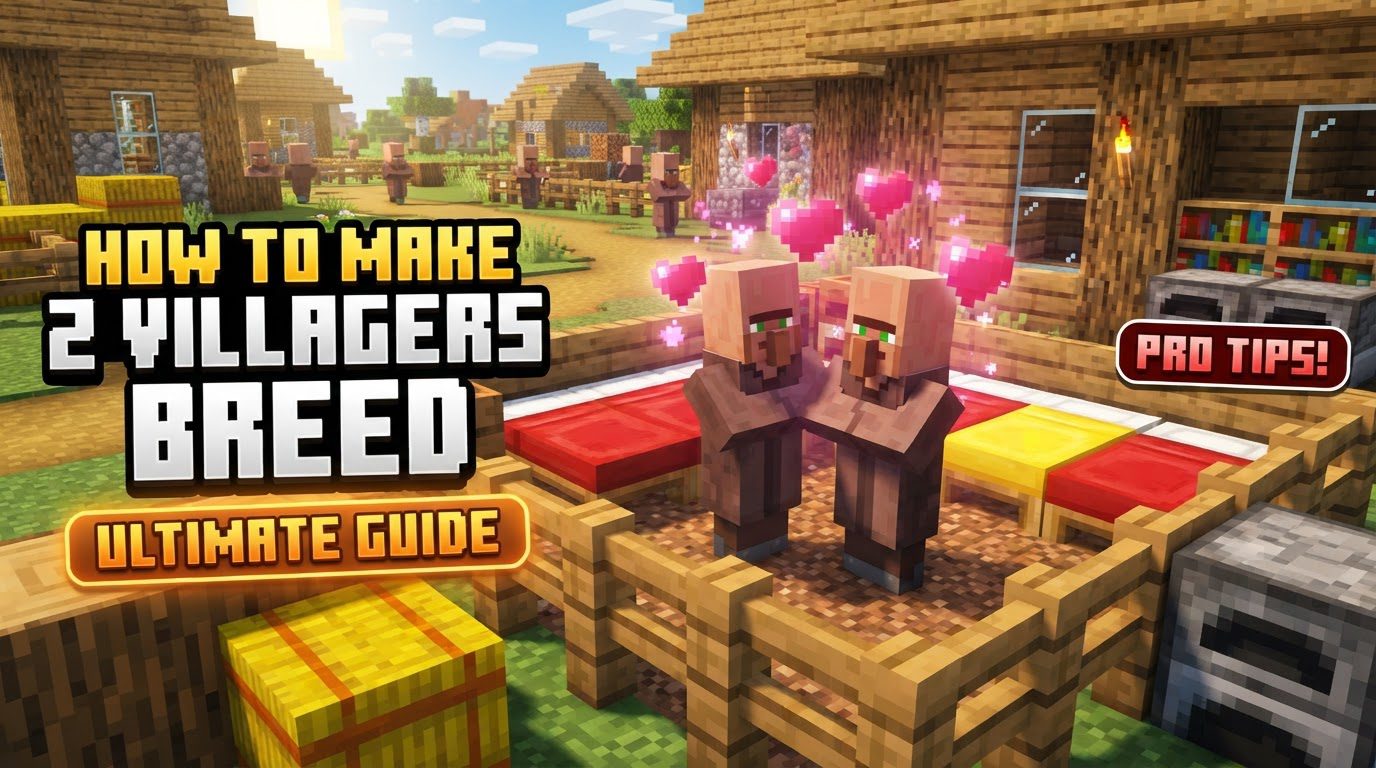
The Foundation of Procreation: Understanding Villager Willingness and Environment
At its heart, villager breeding in Minecraft is a straightforward process, governed by a few fundamental requirements. Villagers are not concerned with gender; any two adult villagers can breed. What truly matters is their “willingness” and the availability of suitable housing.
- Willingness Through Sustenance: Villagers become willing to breed when they have sufficient food in their inventory. This isn’t just about having food nearby; they need to pick it up and store it. The specific amounts required are either 3 bread, or 12 carrots, 12 potatoes, or 12 beetroots per villager. Farmer villagers, with their natural ability to harvest and replant crops, are excellent at accumulating excess food and will even share it with other villagers, making them invaluable for a breeding setup.
- The Bedrock of a New Home: For villagers to breed, there must be enough beds for the existing adult villagers plus at least one additional, unclaimed bed specifically for the baby villager that will be created. This means if you have two adult villagers, you need a minimum of three beds. Furthermore, villagers need to be able to claim these beds, which typically happens at night. A crucial detail often overlooked is that there must be at least two air blocks directly above each bed. Without this clear space, villagers cannot properly claim the bed, and breeding will not occur.
- Interaction and Proximity: Once two villagers are willing and there’s an unclaimed bed available, they need to be in close proximity to each other. They will then meet, perform a brief animation, and a baby villager will spawn.
Step-by-Step Guide to a Thriving Villager Nursery
Achieving a self-sustaining villager population involves a methodical approach. Follow these steps to ensure a smooth and productive breeding process.
Establishing a Secure Habitat
Your first step is to create a dedicated breeding enclosure. This space should be:
- Secure: Prevent hostile mobs from entering and harming your villagers. Use walls at least two blocks high.
- Well-Lit: Torches, glowstone, or other light sources will deter hostile mob spawns within the enclosure.
- Enclosed: Villagers should not be able to wander off.
- Flat Floor: A flat, accessible floor ensures villagers can easily pathfind to each other and their beds. Ensure the space allows villagers to reach each other.
Laying the Groundwork with Beds
Careful bed placement is paramount. For two breeding villagers, you will need to place a minimum of three beds within the enclosure. Position them so villagers can easily access them. The critical detail here is the requirement for two clear air blocks directly above each bed. This means no blocks, even transparent ones like glass, should be directly above the beds at the first or second block height. This allows villagers to properly register and claim the beds.
Welcoming Your New Residents
Next, you need to introduce at least two adult villagers into your newly prepared enclosure. There are several ways to do this:
- Minecarts: A common and reliable method. Push villagers into minecarts and transport them.
- Boats: Similar to minecarts, boats can be used on land or water.
- Zombification and Curing: If you find zombie villagers, you can cure them into regular villagers using a Weakness Potion and a Golden Apple.
- Leading with Beds (less reliable): Villagers will pathfind towards unclaimed beds at night, but this can be tricky for precise placement.
The Feast for Fertility
Once your villagers are settled, it’s time to make them willing. Gather a substantial amount of food: bread, carrots, potatoes, or beetroots. Throw these items onto the ground near your villagers. They will pick them up and add them to their inventory. Remember, each villager needs 3 bread or 12 of the other crop types to become willing. Keep an eye on their inventories; if they run out, they won’t breed again.
The Moment of Creation
If all conditions are met – two willing villagers, sufficient unclaimed beds with two air blocks above them, and proximity – you will soon see hearts appearing above their heads. This signifies they are breeding. Shortly after, a baby villager will magically appear!
Nurturing the Next Generation
Once born, the baby villager will take approximately 20 minutes of real-world time to grow into an adult. During this time, they will wander around, play, and eventually become a full-fledged villager capable of trading and breeding themselves.
Optimizing Your Breeding Operation: Advanced Tips
To maximize your villager breeding efficiency and ensure a continuous supply of new villagers, consider these refinements:
- Sustained Sustenance: The most crucial element is a constant food supply. Integrate a farm directly into or adjacent to your breeding area. A farmer villager is exceptionally useful here; they will harvest mature crops, replant them, and then share excess food with other villagers, keeping everyone well-fed and willing to breed.
- Enclosure Efficiency: While not strictly necessary, a smaller, more compact enclosure can make it easier for villagers to interact with each other and locate available beds, potentially speeding up the breeding process.
- The Power of Trade: Beyond food, trading with villagers can also increase their willingness to breed. Regularly trading with your villagers, even just once, can provide a boost to their willingness status, making them more likely to breed when other conditions are met.
- Ensuring Bed Accessibility: Double-check that all beds are easily accessible by villagers and that there are absolutely no blocks obstructing the two air blocks above them. A single misplaced block can halt your entire operation.
Troubleshooting Common Breeding Hurdles
Even with the best intentions, breeding can sometimes stall. Here are the most common reasons why your villagers might not be breeding:
- Insufficient Beds: This is perhaps the most common mistake. Remember, you need at least one extra, unclaimed bed for the *baby* villager. If you have two adults and only two beds, they will not breed. Always ensure N adults + 1 bed.
- Lack of Food: Villagers won’t breed if they haven’t consumed enough food to become “willing.” Throw more bread, carrots, potatoes, or beetroots onto the ground in their enclosure until you see them pick it up and heart particles appear.
- Blocked Bed Access: Villagers need a clear path to reach and stand on their beds. If beds are placed in a way that villagers cannot physically pathfind to them, they won’t be able to claim them.
- No Clear Space Above Beds: This is a critical and often overlooked requirement. If there aren’t at least two air blocks directly above each bed, villagers cannot properly claim them, and breeding will not occur. This means no blocks, not even glass or carpets, should be in those two spaces.
- Villagers Trampling Crops: If you have a farm integrated with your breeding area and “mob griefing” is enabled in your world settings, villagers (and other mobs) can trample crops. This can disrupt your food supply. You can either disable mob griefing, or place half-slabs or carpets over the farmland to protect the crops while still allowing them to grow.
By understanding these mechanics and systematically addressing each requirement, you can establish a robust villager breeding system, providing you with an endless supply of traders, farmers, and Mending book suppliers for your Minecraft adventures.
Tags:
YOU MAY ALSO LIKE...


