

Minecraft Survival House Ideas
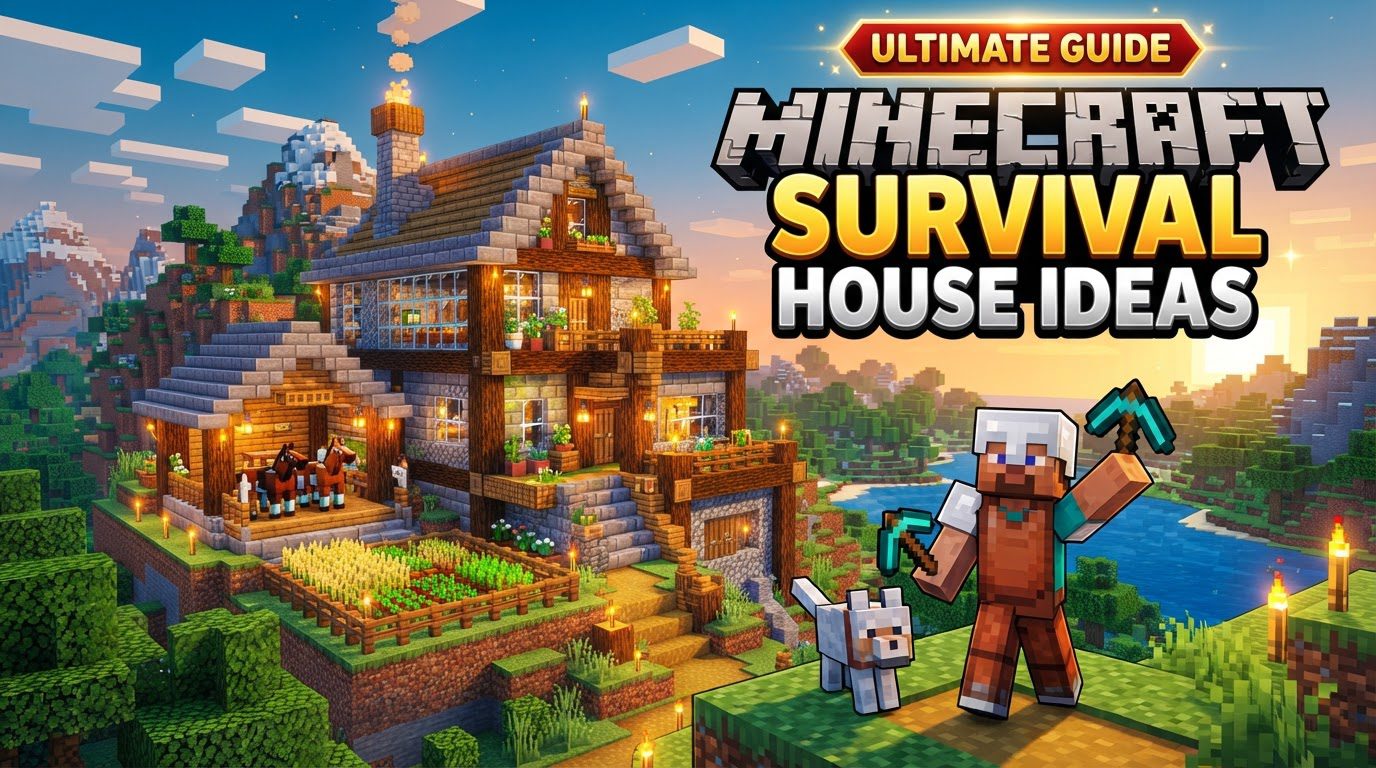
Failing to construct a basic shelter quickly is one of the most common missteps new players make in Minecraft’s unforgiving world. The difference between a peaceful night of crafting and a frantic scramble from hostile creatures often comes down to the quality and speed of your initial housing solution. A well-designed survival house is not merely an aesthetic choice; it is the cornerstone of your entire Minecraft journey, providing essential protection, a safe respawn point, and a central hub for all your adventures.
The Absolute Necessity of a Survival Home
At its core, a survival house serves as your primary defense against the numerous dangers that lurk in the Minecraft world. From the moment the sun sets, hostile mobs such as zombies, skeletons, creepers, and spiders begin to spawn, actively seeking out unprotected players. Without a sturdy structure to retreat into, your early game can quickly devolve into a repetitive cycle of death and respawn. Beyond mob protection, a house also shields you from environmental elements, such as rain or snow, though these are primarily aesthetic concerns rather than direct threats to player health.
Equally important are the essential functionalities a house provides. The inclusion of a bed is paramount. Not only does it allow you to set your spawn point, preventing long treks back to your base after an unfortunate demise, but it also enables you to skip the night entirely. This accelerates the game cycle, swiftly moving you to the safety of daylight and preventing mob spawns around your immediate vicinity. Furthermore, chests are critical for storage, allowing you to safely hoard your valuable resources, tools, and materials without cluttering your inventory or risking loss upon death.
Gathering Your First Materials: The Foundation of Any Good Home
Before any construction can begin, you must first gather the necessary building blocks. In the early stages of survival, simplicity and accessibility are key. Wood stands out as the most commonly used and easily accessible resource. Punching down trees provides logs, which can then be crafted into planks – the foundational material for most early structures. Collecting a substantial amount of wood planks, along with a few crafting tables and furnaces, should be your immediate priority after spawning into a new world.
Constructing Your First Sanctuary: A Step-by-Step Guide
Building a survival house doesn’t have to be an overwhelming task. By breaking it down into manageable steps, you can quickly establish a secure base.
- Material Collection: As established, begin by gathering plenty of wood. Aim for several stacks of logs, which will convert into many more stacks of planks. Don’t forget to collect some cobblestone for a furnace and perhaps a stone pickaxe.
- Foundation: Once you have your materials, choose a suitable location. Flat ground is often easiest. Lay down the foundation for your house using planks. A simple 5×5 or 7×7 square is often sufficient for a starter home.
- Structure Building: Erect the walls of your house, typically 3-4 blocks high to prevent most mobs from jumping over. Use planks for the walls. Once the walls are up, add a roof to fully enclose the space. A flat roof is the simplest to construct initially, providing complete protection from airborne threats and mob drops.
- Interior Essentials: With the structure complete, place your vital items inside. This includes your bed, which should be placed against a wall, and several chests for organized storage. A crafting table and a furnace are also indispensable additions.
- Expansion and Features: As your needs grow and your resources accumulate, your house can evolve. Consider adding additional floors for more space, or balconies for elevated views and safe vantage points. Integrating features like a connected mineshaft entrance directly from your base can save significant time and provide convenient access to resources.
- Detailing: Once the functional aspects are covered, you can enhance the house and its surroundings. Planting crops near your home ensures a sustainable food source, while adding windows, doors, and even decorative blocks like stairs or fences can make your survival house feel more like a home.
Smart Strategies for Early Survival
Efficiency and foresight are crucial in the initial days of Minecraft survival. Implementing smart strategies can make your early game much smoother.
- Start Simple: Your first house doesn’t need to be a grand palace. Begin with easily obtainable materials like wood. A small, functional wooden shack is far more valuable than an ambitious, unfinished stone castle when night falls.
- Temporary Shelter: Don’t underestimate the power of a quick “dirt house.” When caught out at night with no materials, simply digging a 1×2 hole in the ground and sealing yourself in with a dirt block above your head can provide immediate protection. This buys you time to plan and gather resources for a more permanent base.
- Utilize Tutorials: Many online tutorials offer precise material lists and step-by-step instructions for various survival house designs. Following these can be incredibly helpful, especially for new players, ensuring you don’t miss crucial steps or waste resources.
- Survival-Friendly Design: Opt for designs that are small and efficient for starter homes. These are quicker to build and require fewer resources. Always consider future expansion; a design that allows for easy additions of new rooms, floors, or external structures will serve you better in the long run than a rigid, unexpandable layout.
Avoiding Pitfalls: Common Mistakes to Sidestep
Even seasoned players can sometimes overlook crucial elements. Being aware of common mistakes can save you frustration and valuable in-game time.
- Lack of Immediate Shelter: The most critical error is failing to construct a basic shelter quickly. The first night in Minecraft is notoriously dangerous. Prioritizing a secure, enclosed space before the sun sets is paramount to survival. Even a simple hole in the ground is better than nothing.
- Ignoring Future Needs: Building a house without considering future expansion or the integration of essential survival features is another common pitfall. A house that cannot easily accommodate a farming area, a dedicated crafting room, or convenient mine access will eventually become a bottleneck for your progress. Think about where your farm will go, how you’ll access the underground, and where you might store larger quantities of resources as you progress.
In conclusion, a well-planned and efficiently built survival house is more than just four walls and a roof; it’s your safe haven, your crafting hub, and your personal sanctuary in the blocky wilderness. By starting simple, prioritizing protection, and planning for future expansion, you lay a strong foundation for countless adventures in Minecraft.
Tags:
YOU MAY ALSO LIKE...


