

Minecraft Tutorial How to Build a Japanese House #8
A flat, tiny, or thin roof is the quickest way to undermine an otherwise beautiful Japanese-inspired build in Minecraft. Many builders pour their heart into the walls and interior, only to treat the roof as an afterthought, leading to a structure that loses its authentic silhouette and elegance. Understanding the critical role of the roof, among other elements, is paramount to capturing the serene essence of traditional Japanese architecture in your blocky world.
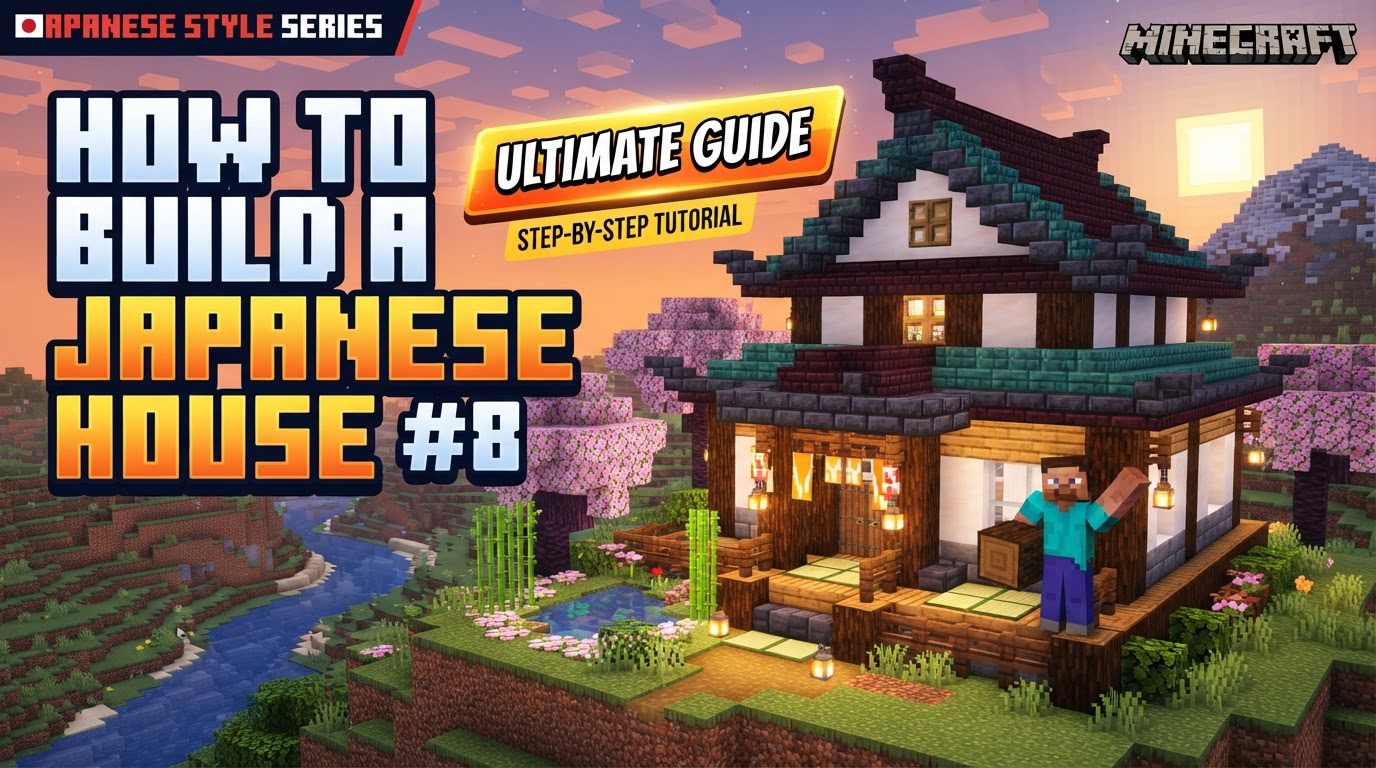
Recreating the subtle elegance and structured harmony of traditional Japanese architecture in Minecraft is a rewarding challenge. This guide, drawing insights from the “Minecraft Tutorial How to Build a Japanese House #8” by BlueBits and general best practices, will walk you through the essential elements and a detailed building process to construct a house that truly embodies this distinctive style. From the foundational stone to the iconic sweeping roof, every block contributes to the overall atmosphere.
Embracing the Core Elements of Japanese Architecture
The digital copy of traditional Japanese architecture in Minecraft emphasizes clear lines, open spaces, and a harmonious blend of materials. It’s an aesthetic that values subtlety and an intentional connection with the surrounding environment.
- Architectural Style & Principles: Think elegance, structure, and atmosphere. The goal is to create open, calm spaces with a sense of order. Symmetrical layouts often work best.
- The Iconic Roof Design: This is arguably the most defining feature. Japanese roofs are often sloped with prominent eaves that extend significantly over the walls. They should appear taller, wider, and more layered than you might initially expect. Utilize stairs and slabs to achieve a curved appearance, and for advanced builds, consider slightly lifted corners to enhance authenticity.
- Thoughtful Wall Elements: Walls frequently use white concrete or various wood types like oak, spruce, or dark oak for a clean, natural look. Shoji screens, which are integral to Japanese interiors, can be cleverly mimicked using white stained glass panes, allowing light while maintaining privacy.
- Solid Foundation: Japanese houses typically sit on a slightly raised base or foundation. This elevates the structure, protecting it from moisture and adding a sense of prominence. Stone or andesite are excellent choices for this base.
- Interior Design Philosophy: The interior should reflect tranquility. Focus on open and calm spaces with simple, low-profile wooden furniture. Tatami mats, traditional floor coverings, can be replicated effectively using hay bales, adding warmth and texture to the floors. Keep decoration minimal and intentional.
- Integrated Landscaping: The house is rarely complete without its surrounding garden. Incorporate natural elements like bamboo, carefully placed stones, serene water features such as ponds, and winding stone paths to extend the house’s peaceful aesthetic into the exterior.
- Layering for Depth: Effective Japanese builds consider multiple layers. This includes the raised foundation, clean wooden framing, soft wall panels, deep roof overhangs, and intentional landscaping, all working together to create visual depth and interest.
The BlueBits #8 Approach: A Step-by-Step Guide
The “Minecraft Tutorial How to Build a Japanese House #8” offers a structured path to building, focusing on specific materials and techniques. Here’s how to approach it:
- Initial Planning and Material Gathering: Before placing a single block, plan your design. Consider the layout, ensuring clear lines and open spaces. Symmetrical plans are often ideal for this style. Gather essential materials: various woods (oak, spruce, dark oak, jungle wood), different stone types (stone bricks, andesite, granite), and decorative blocks.
- Constructing the Foundation: Begin with a solid, raised foundation. BlueBits #8 utilizes a detailed platform combining stone bricks, regular stone, andesite, and cracked stone bricks for texture and visual interest. The tutorial also incorporates cobbled deepslate walls for railings around this foundation, adding a unique touch.
- Building the Walls: After establishing the foundation, construct the main wall structure. While white concrete or wood are general options, BlueBits #8 specifically uses dark oak logs for the corners, providing strong vertical accents. Other stone blocks are mixed into the lower sections of the walls to add textural variety and depth.
- Crafting the Distinctive Roof: The roof is a multi-step process. BlueBits #8 involves placing temporary blocks as guides to shape the complex roof structure. Dark oak slabs, stairs, and trapdoors are then meticulously used for the primary roof structure and its intricate details. For the main roof material, the tutorial suggests using oak slabs and stairs, potentially combined with cherry planks and slabs, while reserving dark oak elements for decorative accents and trim, creating a beautiful contrast. Remember the roof should extend well beyond the walls.
- Adding Interior & Exterior Details: Once the main structure is complete, furnish the interior. Keep it simple and functional with essential items like beds, tables, chairs, and chests. For exterior details, elements like garden ponds, as demonstrated in related BlueBits tutorials (“Japanese House #8 Interior and Exterior”), are crucial for completing the scene.
- Strategic Lighting: Proper lighting is essential for both aesthetics and safety. Strategically place lanterns, torches, or glowstone throughout the house and its surrounding area. This illuminates the building beautifully, highlights architectural features, and prevents hostile mobs from spawning.
Mastering the Details: Essential Building Tips
Beyond the step-by-step, these tips will elevate your Japanese house from good to truly exceptional:
- Embrace Material Variety: Don’t stick to just one type of wood or stone. Combine different wood types (oak, spruce, dark oak) and stone types (granite, andesite) to introduce subtle variety, contrast, and visual interest without overwhelming the serene aesthetic.
- Prioritize Roof Authenticity: Reiterate this point: the roof is paramount. Ensure it extends significantly beyond the walls, creating deep eaves. Use a combination of stairs and slabs to achieve that characteristic curved or layered appearance, rather than a flat, blocky structure.
- Cultivate Interior Simplicity: The Japanese aesthetic values minimalism. Keep the interior intentional and breathable. Avoid overfilling spaces. Opt for low furniture, floor seating, and simple decorative elements like bamboo or cherry shelving and lanterns to maintain a calm, uncluttered atmosphere.
- Incorporate Texture and Detail Thoughtfully: While aiming for simplicity, don’t shy away from combining different block types and decorative elements. The key is balance. Use them to add visual interest and depth, but always ensure they contribute to the overall serenity, rather than detracting from it.
- Seek Inspiration Broadly: Don’t limit yourself. Look at images of real-world Japanese houses to understand their proportions and details. Explore other Minecraft builds for creative block combinations, and watch YouTube tutorials (like BlueBits #8) to grasp specific techniques and visual concepts.
Avoiding Common Pitfalls
Even experienced builders can fall into traps when attempting this specific style. Be mindful of these common mistakes:
- The Roof as an Afterthought: This is the most significant error. Starting with the walls and neglecting the roof’s importance almost guarantees a less-than-authentic result. Flat, tiny, or thin roofs will immediately lose the iconic Japanese silhouette, making the entire build appear disproportional and uninspired.
- Over-Decoration: While adding details is good, too much of a good thing can be detrimental. Overfilling the interior with too many items or using an excessive number of block types and decorations can make the house appear “noisy” or cluttered. This breaks the serene and minimalist mood that is central to Japanese design.
- Lack of Depth or Contrast: Builds that rely on flat wooden bases, repetitive walls with no variation, or roofs that lack contrast or a strong silhouette can appear bland. Japanese architecture thrives on subtle depth created by overhangs, varied textures, and distinct layers. Ensure your build has these elements to prevent it from looking one-dimensional.
By focusing on these principles, leveraging the specific techniques from tutorials like BlueBits #8, and consciously avoiding common mistakes, you can construct a truly authentic and beautiful Japanese house in your Minecraft world. It’s a style that rewards patience, attention to detail, and a deep appreciation for architectural harmony.
Tags:
YOU MAY ALSO LIKE...


