

What Does a Good Minecraft Base Need
Forgetting to adequately light your base can turn your sanctuary into a mob spawner, a common oversight that quickly reminds players of Minecraft’s unforgiving nights. A truly effective Minecraft base, whether a sprawling castle or a cozy dugout, is far more than just four walls and a roof. It represents a player’s progression, security, and creativity, meticulously balancing functionality, robust security, and pleasing aesthetics to support long-term survival and ambitious projects.
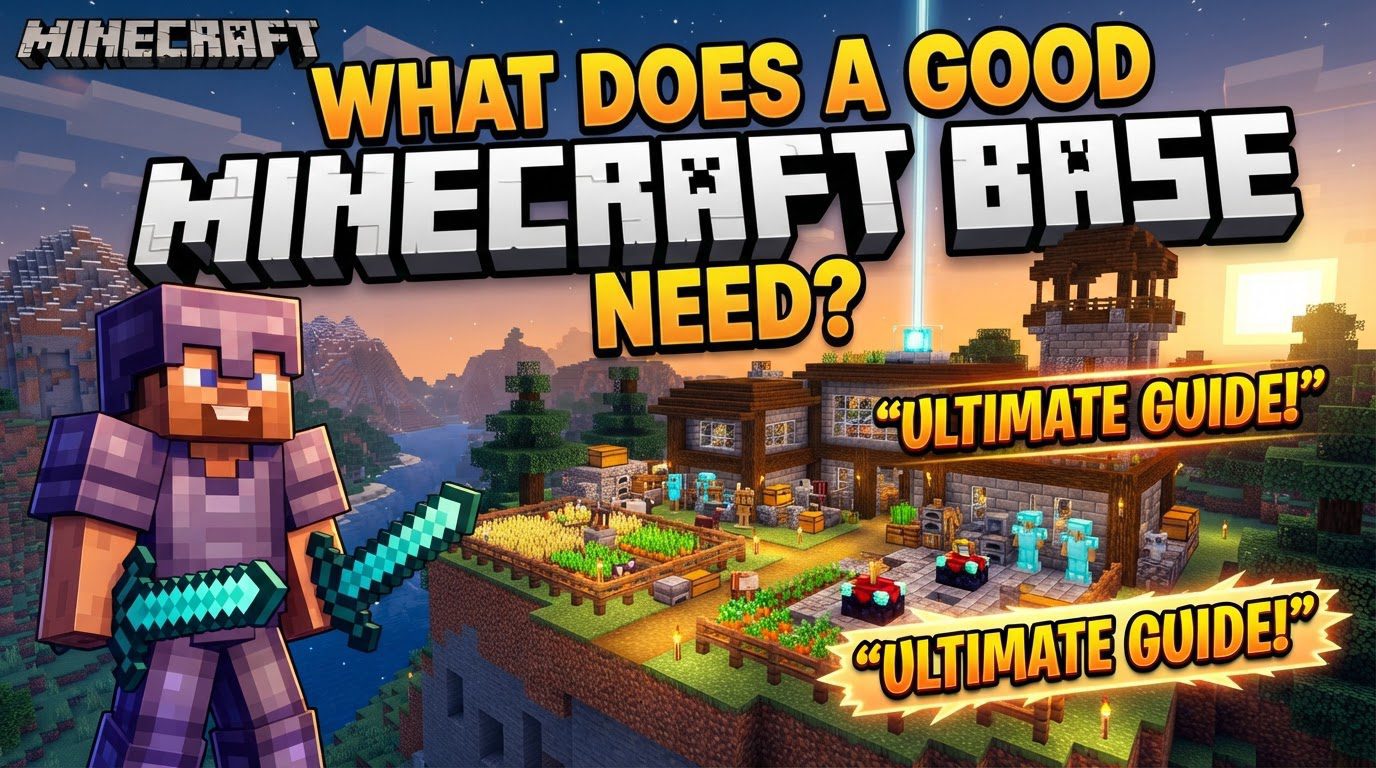
This guide delves into the core components that transform a simple shelter into a thriving home base, drawing on essential mechanics, strategic building processes, expert tips, and common pitfalls to avoid.
The Pillars of Practicality: Essential Base Mechanics
At its heart, a good base must serve your practical needs. Ignoring these fundamentals can lead to constant frustration and hinder your progress.
- Storage Systems: A designated area for storing collected resources and items is paramount. Without efficient inventory management, valuable materials become lost or disorganized, wasting precious time. Plan for significant expansion in this area.
- A Place to Rest: The Bed: Essential for setting your respawn point, a bed allows you to return to your base instantly after an unfortunate demise. Crucially, it also enables you to skip the perilous night, preventing hostile mob spawns and fast-forwarding to daylight.
- Illumination: Banishing the Darkness: Adequate lighting throughout and around your base is non-negotiable. Hostile mobs spawn in darkness, making well-lit interiors and perimeters vital for safety and peace of mind.
- Sustenance and Resources: Farms and Pens: Sustainable resource generation is key to self-sufficiency. Incorporating crop farms for food and animal pens for meat, leather, and other drops ensures a steady supply of necessities without constant foraging expeditions.
- Crafting & Smelting Hub: Core to all creation, essential crafting tables, furnaces, and blast furnaces must be readily accessible. These facilities are fundamental for processing raw materials into useful items and creating new tools and blocks.
- The Path to Power: Enchanting Facilities: As players advance, an enchanting room becomes indispensable. This specialized area allows for upgrading tools, weapons, and armor, providing significant advantages in combat, mining, and exploration.
Building Your Sanctuary: A Step-by-Step Approach
The construction of a base follows a logical progression, transforming an idea into a tangible structure.
- Choosing Your Plot: Site Selection: The initial choice of location is critical. Seek out areas rich in resources, inherently safe from immediate threats, and aesthetically pleasing. A spot near a river, for instance, can inspire an “Epic River Base.”
- Laying the Groundwork: Basic Structure: Begin by establishing the foundation and main walls. This often involves placing pillars at key points and connecting them to define the base’s footprint. For an underground base, this means digging a deep, secure hole.
- Defining Spaces: Outline and Shape: Once the basic structure is in place, create a clear outline of your base. This step involves segmenting the interior into distinct rooms and functional areas, ensuring an organized flow.
- Protection and Shelter: Walls and Roof: Construct robust walls using your chosen materials to provide security and define your enclosed space. A protective roof is equally important, shielding you from environmental hazards and preventing overhead mob spawns.
- Designing the Interior: With the shell complete, focus on the interior layout. Designate specific areas for all essential functions: storage, sleeping, crafting, enchanting, and any other specialized rooms you require.
- Adding Character: Details and Decoration: The final touches bring a base to life. Incorporate aesthetic elements such as arches, windows for natural light, decorative foliage, and various lighting fixtures to enhance its visual appeal and atmosphere.
Beyond Survival: Elevating Your Base’s Design
While functionality is primary, the long-term enjoyment of your base often comes from its thoughtful design and adaptability.
- Prioritizing Practicality: Always remember to address essential survival needs first. Ensure you have adequate storage, a bed, and light before dedicating too much time to purely decorative elements. Functionality underpins sustainability.
- The Power of Diverse Materials: Avoid monotony by utilizing a variety of blocks and materials. Combining elements like stripped oak logs, spruce stairs, stone bricks, and oak planks creates visual interest, texture, and depth in your build.
- Aesthetic Flourishes: Small details make a big difference. Incorporate arches for grand entrances, trapdoors for functional and decorative covers, fences for secure perimeters, and foliage to add natural beauty. Hanging lanterns provide both light and charm.
- Planning for Growth: A good base anticipates the future. Design your initial structure with future expansion in mind, allowing for additional rooms, larger farms, or new specialized areas as your needs evolve and your resource collection grows.
- Embrace Experimentation: Don’t be afraid to try different room configurations, architectural styles, or design elements. Minecraft’s blocky nature encourages creativity and iterative design, allowing you to refine your perfect layout over time.
Pitfalls to Avoid: Common Base Building Blunders
Even experienced players can fall victim to common mistakes that compromise a base’s effectiveness or safety.
- The Peril of Darkness: One of the most frequent errors is neglecting adequate lighting. Dark spots within or around your base are invitations for hostile mobs to spawn, leading to unexpected and dangerous encounters.
- Storage Shortfalls: Underestimating your storage needs is a common pitfall. As you gather more and more resources, insufficient storage space quickly becomes a frustrating issue, leading to inventory clutter and lost items.
- The Clutter Catastrophe: A disorganized base makes it incredibly difficult to locate specific items. Without a clear system for item placement, you’ll spend more time searching chests than engaging in productive activities.
- Overlooking Visual Appeal: While not critical for immediate survival, a purely functional base can become less engaging over time. Ignoring aesthetics can lead to a dull, uninspiring environment, reducing your desire to spend time there.
- Hazardous Locations: Building in an unsafe location, such as directly adjacent to a mob spawner, a deep ravine, or an active volcano, can lead to constant threats and environmental hazards, making your base more of a burden than a sanctuary.
Ultimately, a good Minecraft base is a dynamic entity that evolves with your playstyle and progression. By focusing on essential mechanics, following a thoughtful building process, incorporating creative design, and learning from common mistakes, you can construct a base that is not only secure and functional but also a true reflection of your unique adventure in the blocky world.
Tags:
YOU MAY ALSO LIKE...


