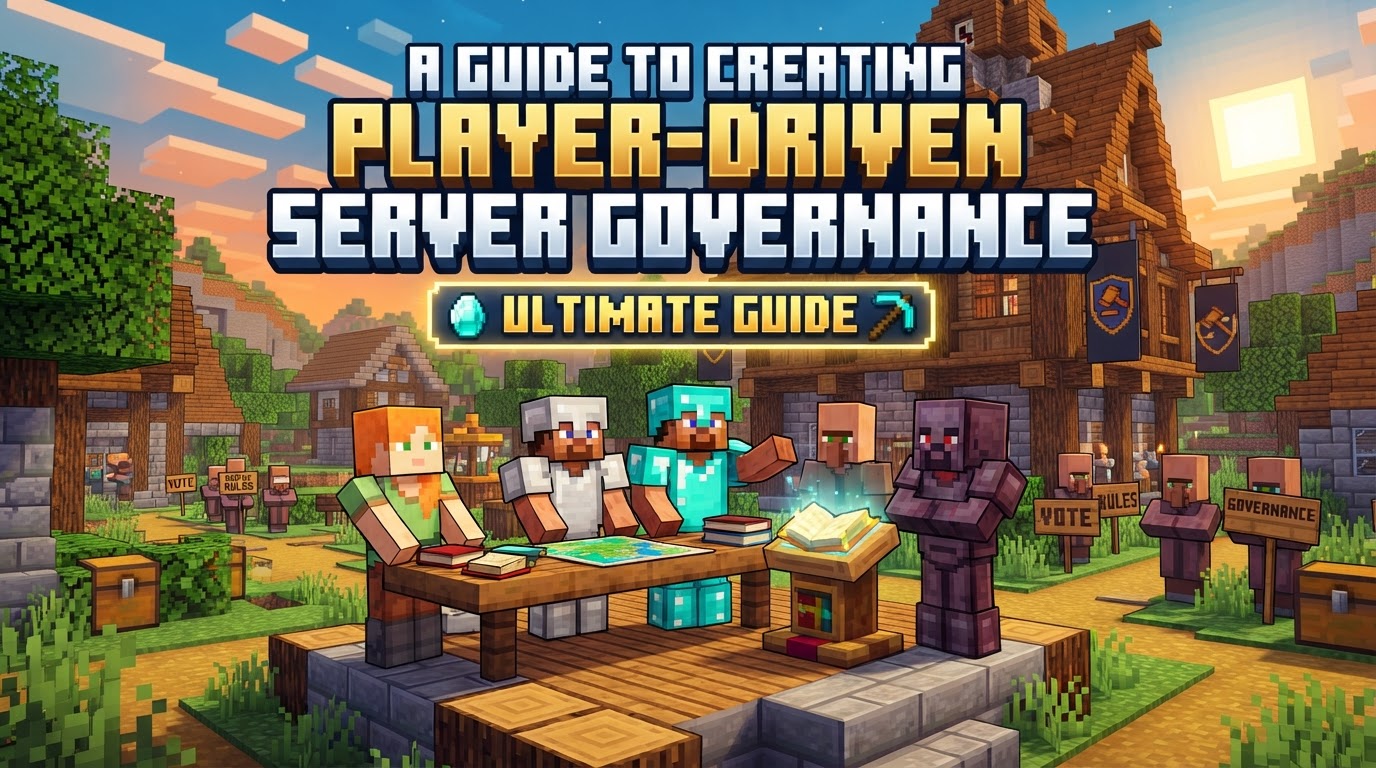
A Guide to Creating Player-Driven Server Governance
Many Minecraft server owners spend countless hours optimizing plugins, building elaborate spawn areas, and marketing to new players, only to find their community struggles to thrive long-term. The secret to a truly vibrant and enduring server often lies not just in its technical prowess or unique content, but in the empowerment of its players. Creating a player-driven server governance model is about establishing systems that allow your community to actively shape the server’s rules, features, and overall direction, fostering deeper engagement and a stronger sense of ownership.
Foundations of Player-Centric Servers
To build a governance model where players genuinely contribute, several core mechanisms must be firmly in place. These elements work in concert to create a structured yet flexible environment.
- Clear and Enforced Rules: The bedrock of any functional society, virtual or real, is a comprehensive set of rules. These guidelines must be easily accessible to all players and consistently enforced by server staff. Their purpose is multi-faceted: to prevent chaos, deter griefing, combat toxicity, and establish clear expectations for player behavior. Well-defined rules provide a framework that guides gameplay and defines acceptable conduct, ensuring a fair and enjoyable experience for everyone.
- Community Feedback Channels: Active and accessible channels for player feedback are indispensable. Whether through dedicated forums, specific Discord server channels, or in-game command systems, players need easy avenues to provide suggestions, report bugs, and express concerns. Actively listening to this feedback is paramount, as it not only makes players feel valued and heard but also provides invaluable insights that can drive server improvement and highlight areas needing attention.
- Player Councils or Roles: Elevating trusted and engaged members of your community into formal roles can significantly enhance governance. A “Player Council” or “Elite Team” can serve as a vital bridge between the community and server administration. These players can be tasked with testing new updates, reporting critical bugs, suggesting impactful changes, and effectively communicating new developments or decisions to the wider player base. Some servers even benefit from specialized player roles, such as a “cartographer” maintaining detailed maps or a “librarian” curating server knowledge.
- Voting Systems: For significant decisions, new feature implementations, or proposed rule changes, a structured voting system provides players with a direct and democratic say. This can range from in-game polls for minor aesthetic additions to external voting platforms for major policy shifts or even for boosting server visibility on listing sites. Rewarding players for their participation in these votes, perhaps with small in-game perks, can significantly encourage engagement and ensure a broader representation of opinions.
- Moderation Team: Even in a player-driven environment, an effective and well-organized moderation team remains crucial. These individuals are responsible for the consistent enforcement of server rules, the impartial resolution of conflicts, and the swift management of disruptive behaviors. Their visible and fair presence helps to maintain order, uphold the community’s standards, and builds essential trust between the players and the server’s leadership.
Implementing Governance: A Phased Approach
Introducing player-driven governance is best done systematically, building from foundational elements to more complex participatory systems.
- Defining Core Server Identity: Before inviting widespread player input, establish a clear vision for your server. Understand its unique identity, target audience, and core gameplay experience. This foundational vision will guide all subsequent decisions and ensure player contributions align with the server’s ethos.
- Establishing Initial Ground Rules: Develop a comprehensive yet concise set of rules. These should cover common issues such as griefing, cheating, and chat etiquette, and be made readily available and easily understandable for all new and existing players.
- Setting Up Feedback Mechanisms: Implement accessible platforms like a Discord server or a dedicated forum section where players can easily submit suggestions, report issues, and voice concerns. Ensure these channels are regularly monitored.
- Engaging Actively with Your Community: Server owners and staff should maintain a visible and communicative presence. Participate in in-game activities, engage in chat, and openly demonstrate that you are listening to player feedback, showing that their experience truly matters.
- Piloting Player Initiatives: Begin by involving players in smaller, less critical decisions. This could include voting on minor cosmetic features, suggesting themes for server events, or providing input on non-essential plugin configurations. This builds confidence and familiarity with the process.
- Forming a Dedicated Player Council: Once the community is accustomed to providing feedback, invite a select group of active, positive, and trusted community members to form a council. This group offers structured feedback and assists in more significant decision-making processes.
- Introducing Formal Voting: For larger, impactful decisions-such as major new features or significant rule changes-implement formal voting systems. Use in-game plugins or external polling tools to ensure a fair and transparent process, potentially offering rewards for participation.
- Consistent Communication & Updates: Regularly inform your players about changes, server updates, and, crucially, the outcomes of player-driven initiatives. This transparency reinforces that their input is valued and demonstrates the tangible impact of their contributions.
Optimizing Your Player-Driven Server
Beyond the core mechanics, several practices can significantly enhance the effectiveness and appeal of a player-governed server.
- Active Server Owner Presence: Your visible involvement as the server owner is invaluable. It reassures players, demonstrates your commitment to their experience, and sets a precedent for community engagement.
- Offering Unique Experiences: To keep players invested, provide distinct custom game modes, exclusive items, or engaging challenges that differentiate your server from others. This gives players more reasons to stay and contribute.
- Rewarding Community Engagement: Implement systems that acknowledge and reward players for their activity, loyalty, and positive contributions. This could include in-game perks, special roles, or public recognition, reinforcing desired behaviors.
- Ensuring Peak Server Performance: A stable, lag-free server is non-negotiable. Invest in reliable hosting and diligently monitor performance to prevent frustration, which can quickly erode even the most engaged community.
- Fostering a Welcoming Atmosphere: Actively encourage respectful interactions among players. Promptly address any instances of bullying, harassment, or negative behavior to maintain a positive and inclusive environment for everyone.
- Leveraging Automation: Utilize plugins for routine tasks to streamline server management. Tools for land protection (e.g., GriefPrevention) or reward systems (e.g., Votifier/NuVotifier) can automate aspects of governance, freeing up staff for more direct community engagement.
Pitfalls to Avoid in Server Governance
Even with the best intentions, certain missteps can undermine efforts to build a thriving player-driven server.
- Ignoring Player Input: One of the quickest ways to disengage your community is to neglect their feedback. Ignoring suggestions, concerns, or bug reports will lead to frustration and a rapid decline in player interest and participation.
- Insufficient Staff Presence: A server without an active and visible staff presence is vulnerable. Issues like griefing, cheating, and rule-breaking can go unchecked, quickly harming the server’s reputation and driving players away.
- Poor Planning and Execution: Failing to plan ahead, especially regarding community engagement strategies and how your server stands out, can cause it to fizzle out. A clear roadmap is essential.
- Performance Bottlenecks: An underpowered or poorly configured server will inevitably lead to lag, frequent crashes, and widespread player disinterest. Performance is a foundational requirement for any enjoyable Minecraft experience.
- Plugin Mismanagement: Using outdated, too many, or poorly configured plugins can introduce lag, cause crashes, or unbalance gameplay. Regular review and proper configuration of plugins are crucial for stability.
- Neglecting Backups: Failing to implement routine server backups is a critical error. The loss of all progress, player creations, and server data due to an unforeseen issue can be catastrophic and irreparable.
- Inconsistent Rule Enforcement: Applying rules unfairly or inconsistently erodes player trust and creates a perception of bias. Fairness and transparency in moderation are vital for community respect.
- Prioritizing New Players Over Existing Community: While attracting new players is beneficial, focusing solely on growth at the expense of your existing community is a common mistake. Your current players are the heart and soul of your server and should be nurtured.
By thoughtfully implementing player-driven governance, you transform your Minecraft server from a mere host into a living, breathing community, built by and for its most valued members. This approach not only fosters loyalty but creates an experience that is truly unique and sustainable.
Tags:
YOU MAY ALSO LIKE...