How to install Fabric for modding
Minecraft modding offers an incredible way to enhance your gameplay experience, introducing new features, optimizing performance, and transforming the virtual world. Among the various mod loaders available, Fabric stands out as a popular choice, known for its efficiency and rapid updates. This comprehensive guide will walk you through the process of installing Fabric for Minecraft modding, ensuring you have all the necessary information to get started.
Understanding Fabric: A Gateway to Modding
Fabric is a cutting-edge, lightweight, and performance-friendly mod loader specifically designed for Minecraft. Its primary appeal lies in its ability to quickly adapt to new Minecraft versions, making it an excellent choice for players who want to experience the latest game updates with their favorite modifications. Unlike other modding platforms, Fabric is engineered to allow players to add modifications, commonly known as mods, without altering the game’s core code. This approach contributes to a quicker and generally more efficient modding experience, reducing potential conflicts and improving stability.
A crucial component of the Fabric ecosystem is the Fabric API. This API acts as a foundational bridge between the Fabric loader and the vast majority of Fabric-compatible mods. Most modifications developed for Fabric rely on the Fabric API to function correctly, providing common hooks and utilities that mod developers can utilize. Therefore, installing the Fabric API is almost always a prerequisite for a successful Fabric modding setup.
Fabric is particularly favored by the community for its strong support for optimization mods. Titles like Sodium, Lithium, and Iris are prime examples of Fabric-exclusive mods that can significantly improve game performance, enhance graphical fidelity, and even enable advanced shader support. Whether you’re looking to boost your frame rate or add extensive new content, Fabric provides a robust and flexible platform.
Step-by-Step Installation Process for Fabric
Installing Fabric is a straightforward process that involves a few key steps. Follow these instructions carefully to set up your modded Minecraft environment.
-
1. Download the Fabric Installer: The journey begins by obtaining the official Fabric installer. You will need to visit the official Fabric website, specifically the ‘use’ section, which is fabricmc.net/use. From there, locate and download the universal
.JARinstaller. This single file is designed to work across different operating systems, making the process consistent for most users. -
2. Run the Installer: Once the
.JARinstaller file is downloaded, navigate to its location on your computer. Double-click the file to launch the Fabric Installer. In some cases, your operating system might not automatically recognize how to open a.JARfile. If this occurs, you may need to explicitly open it with Java. Ensure you have a recent version of Java installed on your system for the installer to function correctly. -
3. Select Minecraft Version: Upon launching the Fabric Installer, you will be presented with a simple interface. Here, you need to choose the specific Minecraft version you intend to mod. It is generally recommended to select the latest available loader version within the installer, as this often includes the most recent bug fixes and compatibility improvements. A critical prerequisite for this step is to ensure that you have previously run this exact Minecraft version at least once without any mods. This action allows Minecraft to generate all necessary game files for that version, which Fabric then uses for its installation.
-
4. Install Fabric Loader: With your desired Minecraft version selected, confirm that the “Create profile” checkbox is marked. This option ensures that the Fabric installer creates a dedicated profile within your Minecraft Launcher, making it easy to select and launch your modded game. After confirming, click the “Install” button. The installer will then proceed to download and integrate the Fabric loader files into your Minecraft directory. Once the installation process is complete and a success message appears, you can safely close the installer window.
-
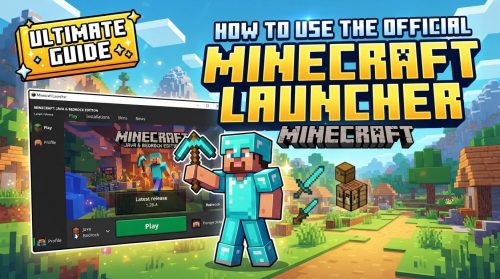
5. Launch Minecraft with Fabric: Now that Fabric is installed, open your Minecraft Launcher. You should observe a new profile entry in the bottom-left corner, typically labeled “Fabric Loader” followed by the Minecraft version you selected. Select this newly created profile from the dropdown menu and click the “Play” button. The first launch with the Fabric profile is important because it generates essential Fabric-related files and, crucially, creates the
modsfolder within your.minecraftdirectory. This folder is where all your downloaded modifications will reside. -
6. Download Mods: With the Fabric loader successfully running, it’s time to acquire some mods. You must ensure that the mods you download are compatible with Fabric and your specific Minecraft version. Reputable sources for Fabric-compatible
.JARmod files include CurseForge and Modrinth. Remember, as highlighted earlier, the Fabric API mod is almost always required. Make sure to download this foundational mod along with any other mods you desire, as most Fabric mods depend on it to function. -
7. Place Mods in Folder: After downloading your chosen mods, you need to place them in the correct location. Navigate to your
.minecraftfolder. On Windows, the quickest way to access this is by typing%appdata%\.minecraftinto your file explorer’s address bar and pressing Enter. Inside the.minecraftfolder, you will find themodsfolder that was generated during your first launch with the Fabric profile. If, for any reason, this folder does not exist, create a new folder namedmods(all lowercase). Then, simply drag and drop all your downloaded mod.JARfiles into thismodsfolder. -
8. Restart and Play: Finally, close your Minecraft Launcher if it’s open, and then relaunch it. Select the “Fabric Loader” profile once more and click “Play.” Minecraft will now load with Fabric and all the mods you’ve placed in the
modsfolder. You should see indications of Fabric and your mods loading on the game’s title screen or in the game logs, confirming a successful setup. Enjoy your enhanced Minecraft experience!
Important Tips for a Smooth Modding Experience
To ensure a stable and enjoyable modded Minecraft experience with Fabric, keep the following tips in mind:
-
Trustworthy Sources: Always prioritize safety when downloading mods. Only acquire your mod files from reputable and well-known websites such as Modrinth or CurseForge. These platforms often have moderation processes in place to ensure the integrity and safety of the uploaded mods, protecting your computer from malicious software.
-
Fabric API is Essential: This cannot be stressed enough: the Fabric API is a cornerstone of the Fabric modding ecosystem. Most Fabric mods rely on it to provide core functionalities and compatibility. If you encounter issues with mods not loading or game crashes, one of the first things to check is whether you have the Fabric API installed in your
modsfolder and if it matches your Minecraft version. -
Version Compatibility: Meticulously verify that every mod you download is specifically designed for your exact Minecraft version and is intended for the Fabric loader. Mods created for Forge or other mod loaders will not work with Fabric, and mods for different Minecraft versions will likely cause crashes or simply fail to load. Always check the mod’s description or file name for version details.
-
Check Dependencies: While the Fabric API is a common dependency, some individual mods may require additional, specific mods to function. Always read the mod’s description carefully on its download page. Developers typically list any required dependencies, along with links to download them. Installing all necessary dependencies is crucial for the mod to work as intended.
-
Java Version: Minecraft and its mod loaders require specific versions of Java to run. Ensure you have the correct Java version installed on your system that corresponds to your Minecraft version. For instance, Minecraft versions 1.17 through 1.20.4 typically require Java 17, while newer versions like 1.20.5 and beyond often necessitate Java 21. An incorrect Java version can prevent Minecraft or Fabric from launching.
Common Mistakes to Avoid During Fabric Installation
Even with a clear guide, it’s easy to fall into common pitfalls. Being aware of these will help you troubleshoot and prevent issues:
-
Incompatible Mod Versions: A very frequent cause of problems is attempting to use mods that do not match your specific Minecraft version or Fabric loader version. This often results in immediate game crashes, mods failing to load silently, or unexpected in-game behavior. Always double-check version numbers.
-
Missing Fabric API: Forgetting to install the Fabric API is arguably the most common reason why many Fabric mods fail to load. Since so many mods depend on it, its absence can render a significant portion of your mod pack inoperable. Always make sure the Fabric API is present in your
modsfolder. -
Incorrect Mod Loader: Accidentally downloading mods that are designed for Forge, NeoForge, or another mod loader instead of Fabric is a common oversight. These mods are fundamentally incompatible with Fabric and will not work, often leading to crashes or simply being ignored by the Fabric loader.
-
Minecraft or Launcher Open during Installation: It is crucial to ensure that both the Minecraft game and the Minecraft Launcher are completely closed when you run the Fabric installer. If any part of Minecraft is running, the installer may not be able to access or modify the necessary files, leading to an incomplete or failed installation.
-
Not Running Vanilla Minecraft First: As mentioned in the installation steps, you must run the target Minecraft version at least once without mods before installing Fabric for it. If you skip this step, the Fabric installation might fail because the essential game files for that specific version have not yet been generated by the vanilla launcher.
-
Mod Conflicts: If Minecraft fails to launch or crashes consistently after adding multiple mods, it’s likely due to a conflict between two or more mods. To diagnose this, remove approximately half of your mods from the
modsfolder and try launching the game. If it launches, the conflict is among the removed mods. If it still crashes, the conflict is likely among the remaining mods. Repeat this process of halving the mod count until you isolate the problematic mod or set of mods.
Tags:
YOU MAY ALSO LIKE...