What Can You Do With Botania
Many aspiring floramancers often stumble at the first hurdle in Botania, expecting vast amounts of Mana from their initial, humble Hydroangeas. This common misconception highlights the nuanced beauty of Botania, a Minecraft mod that masterfully intertwines magic and technology through the power of nature. At its heart, Botania is a journey of discovery, where players harness the mystical energy of flowers to automate, empower, and explore new dimensions, fundamentally changing how they interact with their Minecraft world.
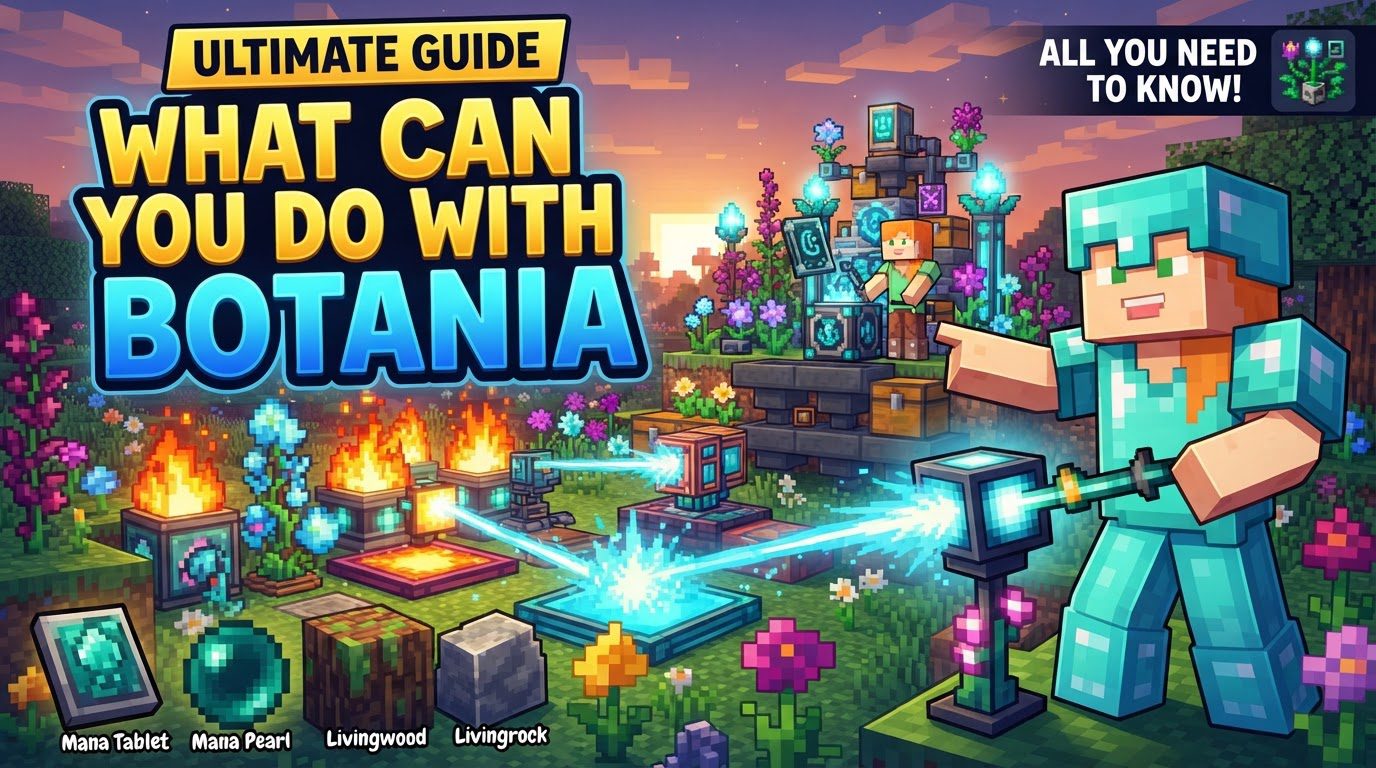
Botania distinguishes itself by focusing on natural elements, primarily flowers, to generate and utilize “Mana,” its unique energy source. This intricate system allows for a staggering array of possibilities, from basic automation to challenging boss fights and interdimensional travel, all powered by the careful cultivation and strategic placement of botanical wonders.
The Core of Floral Power: Key Mechanics Explained
Understanding Botania begins with its foundational mechanics, which dictate how Mana is generated, managed, and ultimately, expended. These systems are the bedrock upon which all advanced endeavors in Botania are built.
- Mana Generation and Management: The entire Botania ecosystem revolves around Mana. Players generate this mystical energy using various “generating flowers,” then store it in Mana Pools. From these pools, Mana is drawn to power “functional flowers” and fuel the crafting of advanced items. The efficient generation and storage of Mana are paramount for progression.
- Flower Types: The diverse flora of Botania is categorized into two primary groups, each serving a distinct purpose:
- Generating Flowers: These specialized flowers are the lifeblood of any Botania setup, producing Mana under specific conditions. Examples include the Endoflame, which consumes passive items like coal to produce Mana, and the Hydroangea, which generates small amounts of Mana when near water. It’s crucial to note that passive generating flowers like the Hydroangea have a limited lifespan, decaying into dead bushes over time, making sustained Mana production a strategic challenge.
- Functional Flowers: Once Mana is generated, functional flowers put it to good use. These flowers consume Mana to perform a wide array of tasks, from automating farming processes and providing beneficial buffs to players, to even attacking hostile mobs. Their utility is vast, offering solutions for many common Minecraft challenges.
- Wand of the Forest: This indispensable tool is your primary interface with Botania’s blocks. It’s essential for interacting with Mana Spreaders, allowing you to precisely aim them to transfer Mana between generating flowers, Mana Pools, and other Mana-accepting devices.
- Runic Altar: A pivotal crafting station, the Runic Altar uses Mana alongside specific ingredients to forge powerful runes. These runes are critical components for many advanced Botania items and progressive recipes.
- Terrestrial Agglomeration Plate: This specialized block is where players create Terrasteel, one of Botania’s high-tier materials. The process involves infusing iron, mana pearls, and mana diamonds with a significant amount of Mana, signifying a major step in your power progression.
- Elven Gateway: A mystical portal that transports players to the Elvenheim dimension. This gateway opens up access to new resources, unique crafting recipes, and opportunities for trading with Elven entities, expanding the scope of Botania’s possibilities.
- Gaia Guardian: An ultimate challenge in Botania, the Gaia Guardian is a powerful boss. Defeating this entity yields Gaia Spirits, which are absolutely essential for crafting some of the most potent endgame items and trinkets available in the mod, marking the pinnacle of your Botania journey.
The Botania Journey: A Step-by-Step Guide
Embarking on a Botania adventure follows a natural progression, guiding players from simple floral arrangements to complex magical engineering.
- Gathering Initial Resources: Your journey begins by locating naturally generated mystical flowers. Collect and duplicate their petals to craft your very first basic generating flowers, setting the stage for Mana production.
- Establishing Mana Production: Craft initial generating flowers, such as Hydroangeas or Endoflames. Place them strategically near a Mana Spreader, which will then efficiently transfer the generated Mana into a Mana Pool for storage.
- Basic Crafting Foundations: Utilize the Petal Apothecary for creating various new flowers. Simultaneously, the Pure Daisy is crucial for transforming common blocks like wood and stone into their “living” counterparts-living wood and living rock-essential materials for further crafting.
- Advanced Rune Crafting: Progress to the Runic Altar. Here, you will combine Mana with specific ingredients to craft powerful runes. Automating the feeding of Mana and items into the Runic Altar becomes increasingly beneficial for efficiency.
- Forging Terrasteel: A significant milestone is the creation of Terrasteel on the Terrestrial Agglomeration Plate. This high-tier material is vital for crafting advanced tools, armor, and other powerful items, signifying a major power boost.
- Venturing to Elvenheim: Construct the Elven Gateway. This portal allows you to travel to the Elvenheim dimension, where you can engage in Elven trading to acquire unique items and materials not found in the overworld.
- Conquering the Gaia Guardian: The ultimate challenge awaits. Engage and defeat the Gaia Guardian boss to acquire Gaia Spirits. These spirits are the key to unlocking and crafting the highest tier of trinkets and power-ups, solidifying your status as a master floramancer.
Mastering Your Floral Empire: Essential Tips
To truly excel in Botania, a few strategic insights can significantly enhance your experience and efficiency.
- Optimizing Mana Generation: While Hydroangeas are excellent for a quick start, their low output and decay rate necessitate an upgrade. Prioritize transitioning to more efficient options like Endoflames, which, when fed fuel like coal, can generate substantially more Mana, ensuring a steady supply for your growing needs.
- Precision with Mana Spreaders: A common oversight is improper Mana Spreader aiming. If Mana isn’t flowing as expected, use your Wand of the Forest to carefully re-aim them. Ensure they are precisely directed towards Mana Pools or any other blocks that accept Mana to guarantee efficient transfer.
- Automating for Efficiency: As your Botania setup grows, manual management becomes cumbersome. Invest time in setting up automated systems for your generating flowers, especially for consistent Mana producers like Endoflames or the high-demand Entropinnyum. Automation ensures a continuous and abundant supply of Mana for all your complex crafting and functional flower needs.
- Leveraging the Lexica Botania: The in-game guide, Lexica Botania, is not merely a cosmetic item; it is an invaluable and comprehensive resource. It provides detailed information on every Botania item, mechanic, and crafting recipe. Consulting it regularly will demystify complex processes and unveil new possibilities.
Avoiding Common Pitfalls in Your Botanical Journey
Even experienced players can fall into common traps. Being aware of these pitfalls can save you time and resources.
- Underestimating Mana Needs: A frequent mistake is expecting Mana Pools to fill rapidly with only low-output flowers like Hydroangeas. These early-game flowers produce Mana at a very slow rate, often leading players to believe their setup isn’t working when, in reality, it’s just a matter of scale and efficiency.
- The Fleeting Nature of Passive Flowers: Forgetting that early passive generating flowers, such as the Hydroangea, will decay into dead bushes after a certain amount of in-game time. This cessation of Mana generation can halt your progression if not accounted for and upgraded.
- Understanding Runic Altar Mana Draw: The Runic Altar operates uniquely; it only accepts Mana when it is actively engaged in crafting runes. Many players are confused when Mana isn’t continuously drawn, not realizing that the altar waits for specific conditions to be met before consuming Mana.
- Ensuring Proper Spreader Alignment: Mana Spreaders are precise tools. They must be correctly aimed at their intended target, whether it’s a Mana Pool, a Runic Altar, or another Mana-accepting device, for Mana transfer to occur. Misalignment is a common cause of apparent Mana system failures.
Botania is far more than just another Minecraft mod; it’s an intricate system that rewards creativity, strategic planning, and a deep appreciation for the power of nature. From the first mystical petal to the defeat of the Gaia Guardian, it offers a truly unique and engaging experience, transforming your world into a vibrant, Mana-powered wonderland.
Tags:
YOU MAY ALSO LIKE...