Can Skeletons Shoot Through Glass in Minecraft
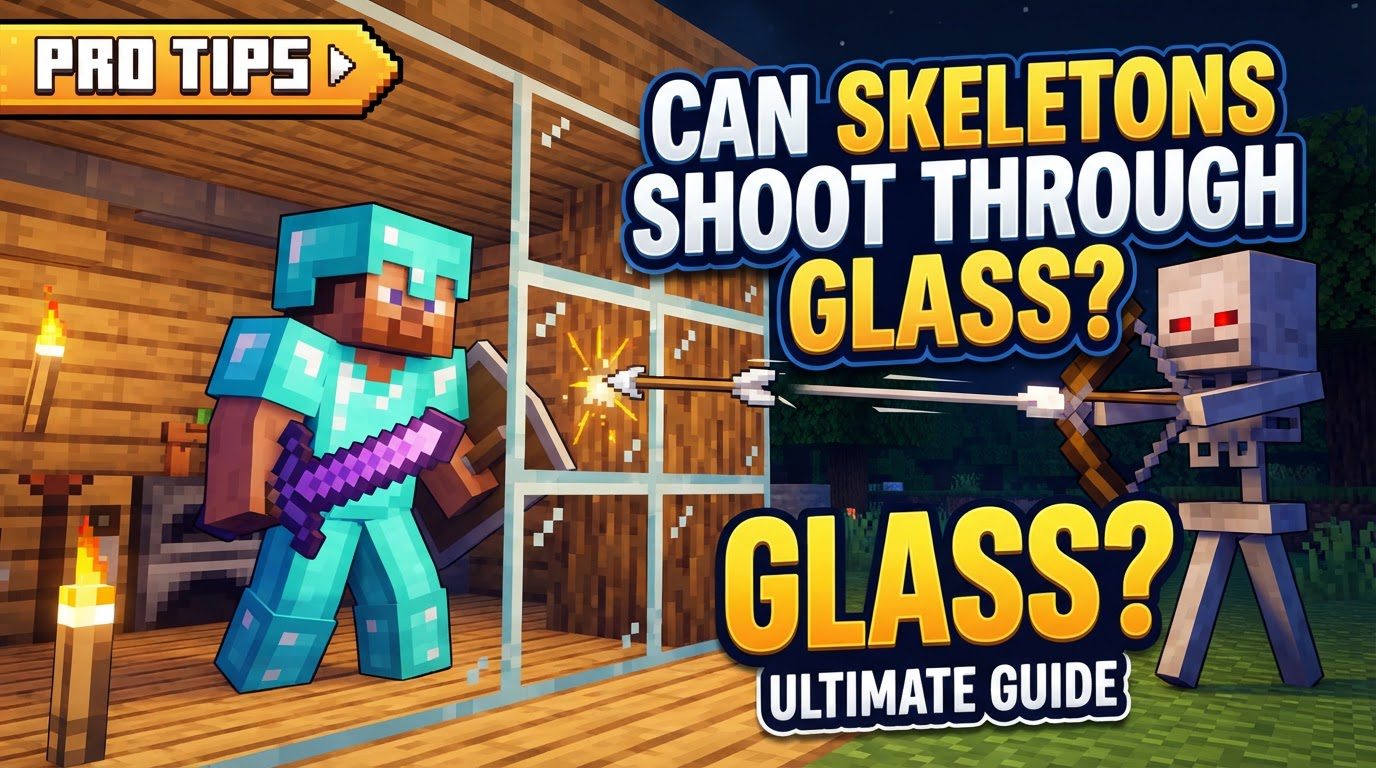
One of the most persistent misunderstandings among new and even some experienced Minecraft players revolves around how hostile mobs interact with transparent blocks. Many assume that because glass allows light and visual information to pass through for a player, it must also do the same for creatures like skeletons. This, however, is a common misconception that could lead to unexpected danger if not understood correctly. The definitive answer to whether skeletons can shoot through glass in Minecraft is a resounding no.
The Fundamental Rule: Skeletons and Line of Sight
In the world of Minecraft, a skeleton’s ability to attack a player is predicated on a very specific condition: a clear line of sight. Skeletons are ranged attackers, and like any archer, they need to be able to “see” their target to accurately aim and fire their arrows. This isn’t just about general awareness; it’s about a direct, unobstructed visual path from the skeleton to the player.
The core mechanic is straightforward: if a skeleton cannot establish a direct line of sight to you, it will not initiate an attack. This applies universally to all blocks that obstruct their vision, and critically, it includes glass. While glass blocks and glass panes are visually transparent to the player, allowing you to see through them, they function as a solid obstruction for the AI of most hostile mobs, including skeletons, when it comes to determining line of sight for an attack.
Therefore, when a skeleton is on one side of a glass barrier and you are on the other, it will not perceive you as a valid target for shooting. Its AI treats the glass as an impenetrable visual wall, preventing it from locking onto you and firing arrows. This is a crucial distinction from how players perceive the world, where glass is merely a translucent barrier.
Why Glass is Your Underrated Ally Against Skeletons
Given that skeletons cannot shoot through glass, this block becomes an incredibly useful tool for defense and observation in your Minecraft world. Builders can leverage this mechanic to create safe zones and viewing platforms without fear of being targeted by skeletal archers.
- Safe Viewing Areas: You can construct observation decks, lookout towers, or even simple windows using glass. From these vantage points, you can safely watch skeletons and other hostile mobs roam outside without being shot at. This is particularly useful for monitoring mob farms or simply enjoying the night scenery without immediate danger.
- Secure Perimeters: Incorporating glass into your base’s outer walls or fences provides both visibility and protection. While a skeleton might still wander near your glass wall, it won’t be able to shoot you if you’re inside, assuming the glass fully obstructs its view.
- Early Game Protection: In the early stages of a survival world, when resources might be scarce, using glass to create a temporary shelter or a safe room within a larger structure can offer invaluable protection against ranged threats like skeletons.
It’s important to remember that this protection is specifically against their ranged attacks. Other mobs might interact differently, and skeletons themselves still pose a threat if they can find an open path to you.
Distinguishing Line of Sight from General Mob Sensing and Pathfinding
This is where much of the confusion often arises. While skeletons cannot *see* you through glass for the purpose of shooting, this does not mean they are entirely unaware of your presence. There’s a subtle but critical difference between a mob’s ability to establish a “line of sight” for an attack and its general “sensing” or “pathfinding” capabilities.
- Line of Sight for Attack: As established, glass completely blocks this for skeletons. They need a clear, unobstructed path to aim.
- General Detection Range: Skeletons, like most hostile mobs, have a detection range. If you enter this range, they might become “aware” of your presence in a general sense, even if they can’t directly see you to shoot. This awareness might cause them to start moving in your general direction.
- Pathfinding: If a skeleton detects you within its general range but cannot establish a line of sight (due to glass or other blocks), it will attempt to pathfind towards your last known location. It might try to find a way around the glass, or if no path exists, it might simply wander aimlessly around the obstruction, unable to attack. It won’t actively break blocks to get to you (unlike some zombies with doors on hard mode).
So, while you are safe from arrows behind glass, don’t be surprised if a skeleton starts moving towards your general vicinity. It’s not trying to shoot through the glass; it’s trying to find an open path to engage you in close combat or get a clear shot.
Common Mistakes and Misconceptions Clarified
The assumption that glass’s transparency for players equates to transparency for mob AI is the most prevalent error. Let’s reiterate the key points to avoid common pitfalls:
- Transparency is Not Line of Sight: Just because you can see through glass doesn’t mean a skeleton can “see” you for targeting purposes. The game’s code treats glass as a solid block for mob line-of-sight checks.
- Don’t Confuse Senses: A skeleton might be “aware” of your presence (general sensing/aggro) and move towards you, but this is distinct from being able to “see” you to shoot an arrow. If there’s glass between you, it will not fire.
Understanding this distinction is vital for designing effective defenses and avoiding false senses of security. Relying on glass as a primary barrier against ranged attacks is a sound strategy, but always be mindful of potential flanking routes or other mob types.
Community Ideas Versus Current Game Mechanics
It’s worth noting that within the Minecraft community, there have been various discussions and suggestions regarding how skeletons and other mobs should interact with blocks like glass. Some players have proposed that skeletons, after multiple arrow hits, should be able to break glass, similar to how zombies can break down wooden doors on hard difficulty. This would add a layer of challenge and realism for some. However, it is crucial to understand that these are merely community suggestions and are not a current feature in the base game of vanilla Minecraft. As of now, skeletons cannot damage or break glass blocks or panes with their arrows, regardless of how many times they might theoretically hit it.
Strategic Implications for Builders and Survivalists
Knowing that skeletons cannot shoot through glass opens up numerous strategic possibilities for Minecraft players:
- Secure Observation Posts: Build towers or rooms with glass walls to safely monitor your surroundings, identify mob spawns, or simply enjoy the view without the threat of ranged attacks.
- Aesthetic and Functional Bases: Incorporate large glass windows into your base designs without compromising safety from skeletal archers. This allows for well-lit interiors and scenic views.
- Mob Farm Design: When designing mob farms, especially those involving skeletons, glass can be used to create safe viewing chambers or control rooms where you can observe the farm’s operation without being targeted.
- Emergency Shelters: If caught out at night, a quickly constructed glass box, while not impervious to all threats, will at least protect you from skeleton arrows, buying you time to plan your next move.
Always ensure your glass barriers are complete and leave no gaps. A single missing block or an open door can negate all the protection glass offers against these persistent archers.
Conclusion
In summary, skeletons in Minecraft cannot shoot through glass blocks or glass panes. This is due to the game’s line-of-sight mechanics, which treat glass as a solid obstruction for hostile mob AI, preventing them from establishing a clear visual path to their target for an attack. While skeletons might still detect your presence and pathfind towards you, they will not fire arrows if a glass barrier stands between you and them. This makes glass an exceptionally useful and reliable material for creating safe viewing areas, secure perimeters, and aesthetically pleasing structures without compromising your safety from one of the game’s most common ranged threats. Understanding this fundamental mechanic is key to effective defense and thoughtful base design in Minecraft.
Tags:
YOU MAY ALSO LIKE...