Fun Build Ideas Minecraft
Many aspiring Minecraft builders inadvertently stifle their creativity by sticking to familiar patterns and neglecting the vast potential of the game’s block palette. This common oversight often leads to builds that feel repetitive or lack the distinctive flair that makes building truly enjoyable. However, with a few fundamental principles and a willingness to explore, anyone can transform their Minecraft world into a canvas for truly fun and imaginative constructions.
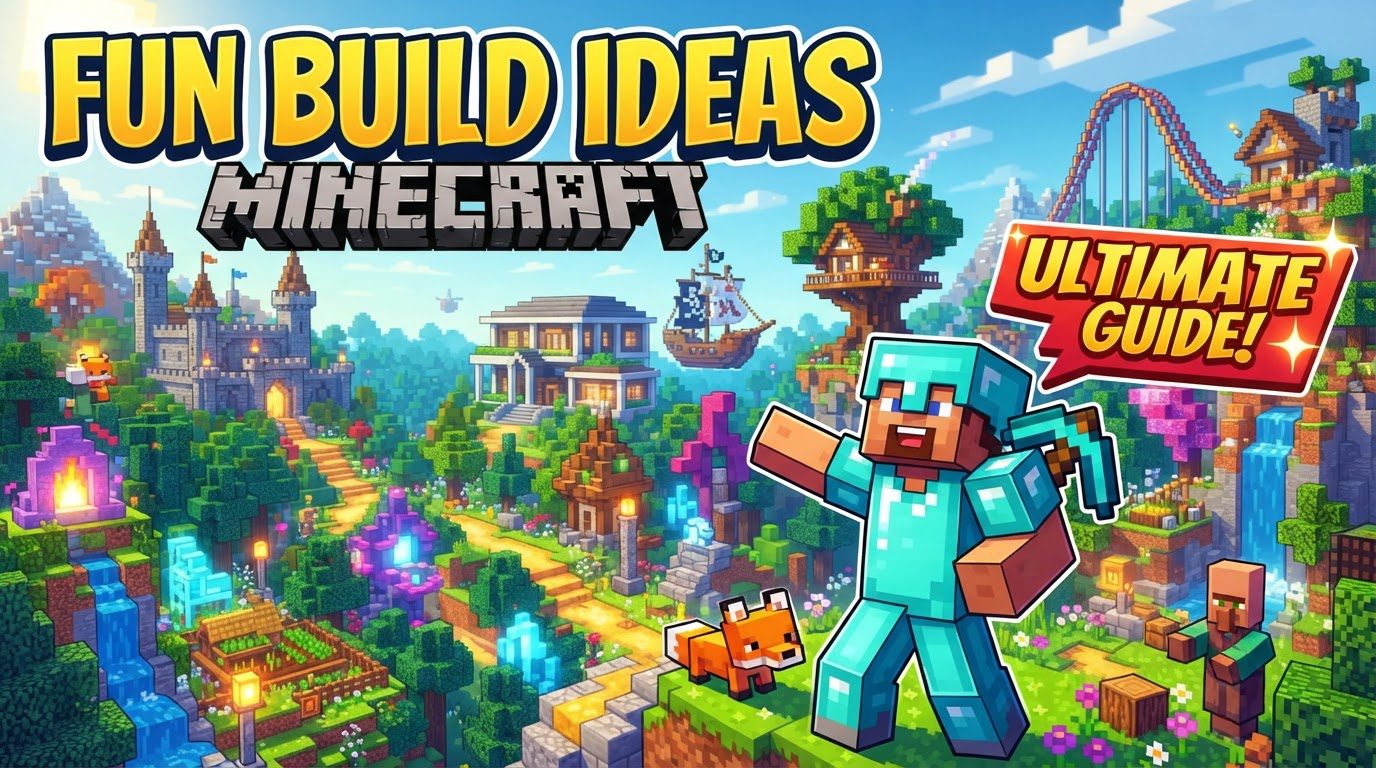
Minecraft is more than just a game; it’s a digital sandbox where your imagination is the only limit. Creating “fun builds” isn’t about adhering to strict architectural rules, but rather about enjoying the process of bringing unique ideas to life. Whether you’re constructing a cozy home, an elaborate fantasy castle, or a giant pixel-art masterpiece, understanding the core mechanics and adopting a creative mindset will elevate your building experience from mundane to magnificent.
Mastering the Fundamentals of Creative Construction
Before diving into specific build ideas, it’s crucial to grasp the foundational mechanics that underpin all great Minecraft creations. These elements are your toolkit for adding depth, realism, and visual appeal to any project.
- Block Variety and Palette: At the heart of Minecraft building lies its incredible diversity of blocks. Each block comes with unique textures, colors, and even properties. A “block palette” refers to the selection of blocks you choose to use in a particular build. Experimenting with different combinations – for instance, blending various shades of wood with stone, or incorporating terracotta with concrete – is essential for creating visually stimulating and diverse structures. Don’t limit yourself to just one type of material; the interplay of different blocks adds character and depth.
- Texturing and Gradients: Simply using a single block type for a large surface can make a build look flat and uninteresting. Texturing involves using various blocks to create patterns and visual interest on surfaces, mimicking natural wear or intricate designs. Gradients take this a step further by blending different block types to form smooth color transitions. Imagine a wall that subtly shifts from dark stone at the base to lighter stone or even wood towards the top, or a path that transitions from dirt to gravel to cobblestone. These techniques add realism and a polished finish.
- Adding the Finer Touches: Detailing: The difference between a good build and a great build often lies in the details. Incorporating small elements like custom trees, lush gardens, intricately designed pathways, and thoughtful interior decorations significantly enhances the overall look and feel of a build. Details can be as simple as adding fences around a garden, using trapdoors for window shutters, or placing custom banners. These small additions breathe life into your creations and make them feel lived-in and complete.
- The Power of Experimentation: Building in Minecraft is a skill that improves with practice and, most importantly, experimentation. Don’t be afraid to try out different styles, detailing techniques, and window or wall designs. What looks good on paper (or in your mind) might not translate perfectly in-game, and vice-versa. The most skilled builders are those who constantly push boundaries and learn from their trials and errors.
The Builder’s Journey: A Step-by-Step Approach
While creativity is paramount, a structured approach can make even the most ambitious projects manageable and enjoyable. Follow these steps to bring your fun build ideas to fruition.
- Laying the Groundwork: Planning Your Layout: Before placing a single block of your main structure, take time to plan. Outline the general shape and dimensions of your build. This initial layout acts as a blueprint, defining the structure’s footprint and helping you visualize its scale and placement within the environment. Simple block outlines on the ground can save you hours of redoing later.
- Erecting the Structure: Walls and Floors: Once your layout is established, proceed with constructing the primary structural elements: the walls and floors. Focus on getting the basic shape and height right. This stage is about solidifying the main form of your build, ensuring it feels sturdy and proportionate.
- Crowning Your Creation: Constructing the Roof: The roof is often the final structural element to be added, and it offers immense flexibility in design. Whether you opt for a classic gable, a sleek flat roof, or an intricate dome, the roof significantly impacts the overall aesthetic. Don’t rush this step; allow for adjustments in design and style to complement the rest of your structure.
- Bringing it to Life: Detailing and Refining: After the main structure is complete, the real fun begins: detailing. This stage involves focusing on both the interior and exterior to infuse your vision with personality. Add windows, doors, pathways, landscaping, and all the small embellishments that make a build truly unique. This is where your build transforms from a mere structure into a vibrant, engaging space.
Maximizing Your Building Enjoyment
Building should be a source of fun and satisfaction. Incorporate these tips to enhance your creative process and ensure every project is a rewarding experience.
- Embrace Diverse Styles: Don’t limit yourself to one architectural style. Experiment with medieval, modern, futuristic, fantasy, or even whimsical designs. Try building multiple versions of elements like windows or wall sections to see which one best fits your vision and looks most appealing. Variety keeps your building fresh and your skills sharp.
- Seek Inspiration: Online Resources: The Minecraft community is a treasure trove of creativity. YouTube tutorials, community showcases, and online galleries can be invaluable sources of inspiration. Observe how other builders use block palettes, detailing, and structural designs. These resources can provide guidance on various building techniques and spark new ideas for your own projects.
- Build with Purpose (Even for Fun): Even if a build is primarily for fun, considering its potential use can help guide your design choices. Is it a cozy survival house? A grand public library? A statue commemorating a favorite game character? Thinking about its function can inform its layout, interior design, and exterior features, making the build feel more cohesive and meaningful.
- Strategic Marking for Large Projects: For larger builds, or when exploring vast areas, it’s easy to lose track of important locations or ongoing projects. Use simple markers like torches, lava pillars, or even small, temporary statues to indicate key spots. This helps with navigation and keeps your building efforts organized.
- The Art of Revision: Don’t Fear Redoing: It’s rare for a build to come out perfectly on the first try. If a part of your build isn’t working, or if you discover a better way to execute an idea, be willing to change or rearrange it. Demolishing and rebuilding a section is not a failure; it’s a part of the creative process that leads to a superior final product.
Avoiding Common Pitfalls
Awareness of common mistakes can help you steer clear of frustrations and maintain your building momentum.
- Stagnation Through Lack of Experimentation: Sticking to the same building techniques and materials time and again can lead to repetitive or uninspired creations. Challenge yourself to use blocks you rarely touch, or attempt a style you’ve never tried. This constant learning is key to growth.
- The Blandness of Undetailed Builds: Overlooking small details can make a build appear bland, unfinished, or simply uninteresting. Remember that it’s the little things – the flowerpots, the custom furniture, the varied path textures – that truly bring a structure to life and give it personality.
- The Perils of Impulsive Construction: Jumping straight into building without a basic layout or plan can result in inefficient construction, wasted materials, and often, an undesirable final product that needs extensive reworks. A little planning goes a long way.
- Missing Out: Not Learning from the Community: Failing to observe and learn from other builders’ techniques can significantly hinder your progress and creativity. The Minecraft community is full of talented individuals whose methods and ideas can inspire and educate. Engage with them, watch tutorials, and analyze impressive builds.
Ultimately, fun builds in Minecraft are born from a blend of technical understanding, creative exploration, and a willingness to learn and adapt. By embracing block variety, focusing on detail, planning effectively, and never shying away from experimentation, you can transform your blocky world into a testament to your boundless imagination, making every construction project a genuinely enjoyable adventure.
Tags:
YOU MAY ALSO LIKE...